The Rise of DIY Garden Rooms and Why Foundations Matter More Than Ever
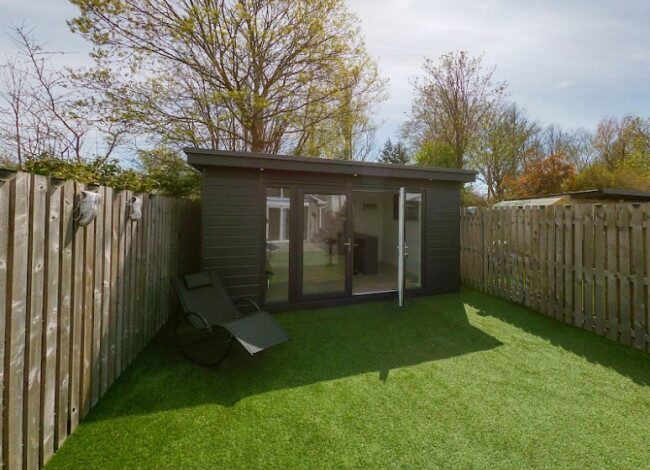
DIY garden rooms are becoming incredibly popular nowadays, especially since many people have remained in a remote working environment or a hybrid, depending on the type of job. There’s a need for more space in the home, and therefore many choose to explore the options outside their main residence, whether it be a garage or a garden room that functions as a space for lounging and for working.
Many eager DIYers will focus on the interior aesthetics and walls, but won’t always pay attention to what they put underneath. The foundations of a garden room of any shape or size are important to get right. It’s only as durable as the base it sits on, so choosing the wrong foundation can lead to structural failure, warping and dampness.
The Dangers of Cutting Corners on the Base
If you decide to cut corners when it comes to your shed bases, then you’re likely to run into some problems sooner rather than later.
Winter moisture and summer heat can be equally problematic for garden soil. It often expands and contracts, leading to uneven sinking of your garden room if it’s not built on solid foundations.
An uneven base can stress the joints of timber frames, and that can cause doors to stick, windows to jam, and roofs to leak. That can be detrimental to a new garden room and may end up costing you a lot more than initially anticipated.
The risk of rising damp can also destroy expensive floorboards, as well as internal electronics, if the ground clearance is inadequate.
Top Foundation Options for DIYers
There are several foundation options for DIYers to choose from when it comes to implementing any type of garden room into their outdoor space.
Ground screws are the modern standard and are highly recommended for DIY. They’re fast to install and require zero digging or concrete. It also helps to preserve lawn health.
For the traditional heavyweight, concrete slabs are often the go-to approach. It’s a durable and rock-solid material, but it’s something to be mindful of in terms of the expense and how labor-intensive it can be. Without much experience, it can be hard for a DIYer to level it perfectly.
An option to consider that’s ideal for DIYers is the plastic base or grid systems. These are great when it comes to shed bases as they’re budget-friendly and durable. They’re a good option for those who are looking to place a smaller and lighter outbuilding like a shed in their garden space.
Golden Rules for a Perfect Garden Base
In order to choose the perfect base for your garden room, there are some golden rules to go by.
Leveling is non-negotiable
It’s important to check and re-check the level measurements of the ground using a laser level or a long spirit level. This is something you want to do before anchoring anything.
Airflow is key
Ensure the foundation keeps the timber structure slightly elevated above the ground so that there’s continuous airflow and that can be helpful for preventing rot too.
Clear the perimeter
Keep a 50cm gap around the edge to prevent the surrounding mud, soil, and plants from bridging into the timber framework.
Invest in the Foundations to Save Money
Spending that extra budget or time on a premium foundation for your garden house can save you thousands in repair work in the future.