How to Design the Perfect Bespoke Garden Room
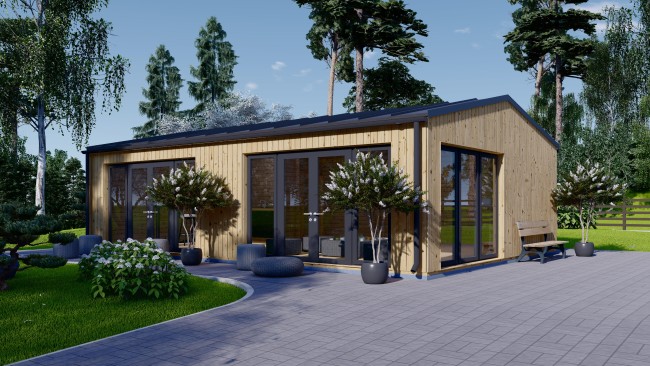
Designing a bespoke garden room allows you to create a space tailored to your requirements that integrates seamlessly with your home. A bespoke design, unlike off-the-shelf solutions, will blend seamlessly into your garden and fulfil specific functional and aesthetic requirements.
In this guide, we outline a four-step method that you can follow to plan your perfect garden room – from defining its use to choosing materials and technical specifications. Understanding these stages will help you make informed decisions before hiring builders. Additionally, this will help ensure your garden room is a worthwhile investment.
Step 1: Define Your Garden Room’s Primary Purpose
The first critical step in designing a bespoke garden room is to clearly define its primary function. This foundational decision dictates nearly every subsequent design choice, from size and insulation to electrical requirements and internal layout.
Home Office: A home office requires a reliable internet connection, good natural light, and sufficient power outlets for multiple devices.
Gym: A gym requires durable flooring, good ventilation, and reinforced walls for mounting equipment.
Art Studio: Benefits from north-facing windows that provide consistent natural light, integrated storage for art and craft materials, and easy-clean surfaces.
Guest Room: A guest room typically requires higher levels of insulation, plumbing for an en-suite, and compliance with building regulations relating to sleeping accommodation.
Entertaining Space: An entertaining space may feature bi-fold doors, integrated sound systems, and a small kitchenette.
Forcing too many functions into a single garden room tends to result in a half-hearted design that doesn’t do anything well. Focus on the essential functions you require and avoid including too many non-essential features.
Step 2: Assess Your Property and Site Constraints
For your garden room design to be buildable, practical and compliant with local regulations, thorough site assessment is essential. This involves assessing physical space, regulatory requirements, and environmental conditions.
Most garden rooms in England do not require planning permission if they comply with permitted development limits. These specifications are outlined in Class E of the Town and Country Planning (General Permitted Development) (England) Order 2015. If you breach height, siting, or coverage rules, you do need planning permission. Additionally, if your property has restricted rights, you also require planning permission.
Height Limits: If part of the garden room is within 2 metres of any boundary, it must not be taller than 2.5 metres overall.
Garden Coverage: A maximum of 50% of the area surrounding an original dwelling may be covered by the outbuildings.
Designated Areas: Permitted development rights are often restricted or removed in Conservation Areas, National Parks, and Areas of Outstanding Natural Beauty (AONBs).
Site Access: Assess access routes for construction materials and personnel. This will affect costs and timelines.
Ground Conditions: Soil type, drainage, and ground conditions can influence foundation design and the overall complexity of the project.
Costly redesigns and delays can be prevented through early identification. Always contact your local planning authority or the Planning Portal for specific advice relating to your property before you finalise your design.
Step 3: Choose Your Design Style and Materials
The aesthetic appeal of your garden room is defined by its chosen design style, and what materials are used for its exterior and interior. In 2026, modern garden room design trends are moving towards larger multifunctional spaces featuring natural textures and hybrid cladding systems.
While fully timber buildings are becoming less common, hybrid finishes that combine natural timber with composite cladding are growing in popularity due to their durability and lower maintenance requirements. Anthracite, dark charcoal, and slate grey remain among the most popular choices for frames and cladding.
Step 4: Plan the Interior Layout and Technical Specifications
Once the exterior shell and style are determined, the interior layout and technical specifications ensure your garden room is comfortable, functional, and fit for year-round use. This stage involves detailed planning of space, insulation, electrical systems, and heating.
Space Planning Principles
Effective space planning helps maximise usability and comfort. Consider furniture placement, circulation paths, and integrated storage solutions to avoid clutter. For example, a home office should include a desk, shelving for documents and materials, and sufficient space for a chair to move comfortably.
Insulation Standards for Year-Round Use
Achieving year-round comfort requires robust insulation, targeting U-values broadly in line with current Part L building regulations for new dwellings. For walls, aim for a U-value of 0.18–0.28 W/m²K, roofs at 0.11–0.18 W/m²K, and floors at 0.18–0.22 W/m²K. High-performance double glazing (1.2–1.6 W/m²K) or triple glazing (around 0.8 W/m²K) is also crucial.
Continuous Insulation: Continuous insulation should be used in floors, walls, and roofs to eliminate thermal bridging and cold spots.
Vapour Control Layer: Use this layer on the warm side of the insulation to limit moisture and control condensation.
Airtightness: Airtightness is just as important as insulation thickness when it comes to energy efficiency.
Electrical and Heating Systems
Electrical work in a garden room must comply with Part P of the Building Regulations, and a new circuit to an outbuilding is typically notifiable work that should be installed or certified by a competent electrician. A dedicated circuit, RCD protection, and a sub consumer unit in the garden room are standard best practices.
For heating, electric radiators are often more cost-effective for small, intermittently used garden rooms due to lower upfront costs and simpler installation. Wet underfloor heating can offer lower running costs than radiators when paired with efficient heat sources and used regularly. However, electric underfloor heating is typically more expensive to run per square metre than electric radiators.
Conclusion: From Design to Reality
Designing your ideal bespoke garden room begins with a clear vision. With careful planning, you can create a space that is both beautiful and functional while meeting all relevant regulations. A successful project begins with defining its purpose, assessing site constraints, and selecting the appropriate style, materials, and technical specifications.
The design phase can take anywhere from 2–4 weeks, while the full process from concept to completion typically takes 3–6 months, including planning permission (8–12 weeks if required) and on-site installation (1–2 weeks). By taking a structured approach, your custom garden room will enhance your property for the long term and fulfil your needs.