Understanding Legal Options After Brain Trauma
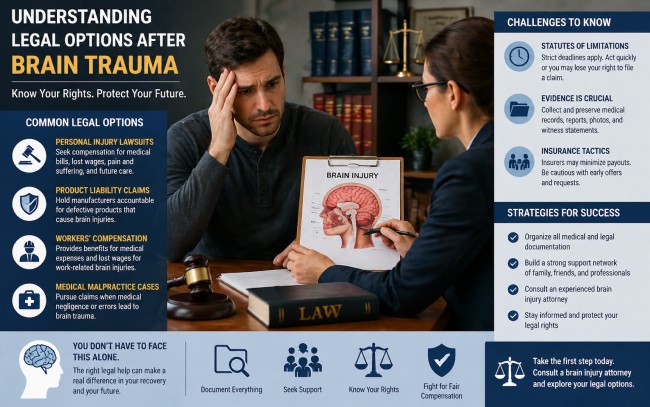
Have you or a loved one had a brain injury and now face medical bills and hard legal choices? There are strict deadlines for filing claims, and some cases can end in lawsuits, insurance payments, or workers’ comp. This post will show your main legal options, what evidence to save, and how to find the right help. Read on to know your rights.
Common Legal Options After Brain Trauma
After a brain injury, people often need help making legal choices—especially about compensation or care. Different laws can give injured people a path to justice, support, and recovery…keep reading to learn what those steps could look like.
Personal Injury Lawsuits
Victims of brain injury file personal injury lawsuits to seek compensation and accountability. Lawyers gather medical records, witness accounts, and imaging as evidence. Courts evaluate capacity and guardianship needs when patients lack decision power. Insurance claims often lead to settlement talks, or formal litigation. Good legal help can make a big difference.
A skilled attorney can guide families on legal rights and strategy. Jury verdicts and settlements can cover medical bills, lost wages, rehab, and future care. Families must document recovery, therapy, and expenses to support claims. Consult specialized brain injury attorneys for representation, consultation, and support early.
Product Liability Claims
Personal injury lawsuits can help victims get compensation after brain trauma. Another option is product liability claims. These claims hold companies responsible for faulty products that cause harm.
A person may suffer a brain injury from a defective item, like a poorly made bike helmet or unsafe medication. In these cases, the injured person can seek accountability from the manufacturer.
They must show how the product was dangerous and how it led to their injury. Gathering evidence is crucial; records of medical treatment and proof of the product’s flaws support their case. Compensation may cover medical costs, lost wages, and rehabilitation efforts too.
Workers’ Compensation
Workers’ compensation helps employees hurt on the job. This system pays for medical bills and lost wages due to injuries. If someone suffers a brain injury while working, they can file a claim. They do not need to prove fault; they just must show it happened at work.
Insurance companies manage workers’ comp claims. They will review the details of the injury carefully. Workers should keep all related medical records and reports safe and organized for this process.
Timely filing is crucial too; delays could impact benefits. Each state has its own rules, so it’s good to know local laws about workers’ compensation claims, especially when recovering from something as serious as a brain injury.
Medical Malpractice Cases
Medical malpractice cases happen when a doctor or healthcare worker makes a mistake. This can lead to serious problems, like brain injuries. Patients have the right to seek compensation for these mistakes. Common claims include failures in diagnosis, surgery errors, and improper treatments.
In these cases, strong evidence is key. Medical records and expert opinions help prove the claim. If you think you have been a victim of malpractice related to brain trauma, it’s wise to consult an attorney who specializes in this area. They can guide you through the legal process and protect your rights effectively.
If you’re unsure about your rights or the legal process, consulting a traumatic brain injury lawyer in Ontario can provide vital guidance.
Challenges in Brain Injury Legal Cases
Brain injury legal cases come with many hurdles, like time limits for filing claims and the need for solid evidence. Insurance companies often use tricky tactics to reduce payouts too. Want to know more about these challenges? Keep reading!
Statutes of Limitations
Statutes of limitations are laws that limit how long you have to file a legal claim. These timeframes vary based on the type of case. For brain injury cases, you usually have two years from the date of the injury to start your lawsuit. If you wait too long, you may lose your chance for compensation.
Knowing these deadlines is crucial. Each state has its own rules and timelines. Missing these limits can be costly, so it’s smart to act quickly if needed. Always make sure to consult with an attorney who understands personal injury law. They can help guide you through the process and ensure your rights are protected before moving into evidence collection and preservation strategies.
Evidence Collection and Preservation
Following the discussion on statutes of limitations, it’s crucial to focus on evidence collection and preservation. Proper evidence can make or break a brain injury case.
- Gather medical records, bills, and treatment details right away. These documents provide proof of injuries and costs.
- Collect witness statements as soon as possible. These accounts help to clarify what happened during the incident.
- Take photos of injuries and the accident scene. Visual evidence captures important details that might fade over time.
- Keep track of all communications with insurance companies. This documentation shows how insurance claims are handled and can indicate bad faith practices.
- Store physical evidence securely; this includes gear, products, or anything linked to the injury. Each item helps in establishing liability.
- Use expert opinions from professionals like neuropsychologists. Their insights lend credibility to your claims about recovery needs and future care.
- Preserve any relevant videos or audio recordings related to the incident or treatment process. This type of evidence can offer a clear account of events.
- Be aware of the need for a legal consultation early on in the case process; an attorney will guide you on what evidence is most essential for legal rights and compensation.
Exploring brain injury legal options is crucial for securing the compensation necessary for ongoing medical care and rehabilitation. Taking these steps increases your chances of accountability and fairness throughout the legal process surrounding brain trauma cases.
Insurance Company Tactics
Evidence collection and preservation can be tough. Insurance companies often use tactics to reduce payouts. They may ask for your medical records but focus only on details that hurt your case. They might question the cause of your brain injury, trying to prove it wasn’t their fault.
Some insurers offer low settlements early on. This is a strategy to save money. Accepting an early offer might mean losing out on larger compensation later if you need ongoing care or rehabilitation.
Be careful with these tactics; consider seeking help from attorneys who know how insurance companies operate and who can fight for your rights in personal injury claims.
Strategies for Navigating a Brain Injury Lawsuit
Strategies for Handling a Brain Injury Lawsuit can make a big difference. Keep your medical and legal files organized, and lean on friends or family for support. Talk to lawyers who know brain injuries well; they can guide you through the process with ease.
Organize Medical and Legal Documentation
Organizing medical and legal documents is essential after a brain injury. Keeping everything in order helps your case.
- Gather Medical Records: Collect all your medical records from doctors, hospitals, and therapists. This includes diagnostic tests, treatment plans, and rehabilitation notes.
- Document Symptoms: Keep a detailed record of your symptoms over time. Write down how your brain injury affects daily life, work, and relationships.
- Save Bills and Receipts: Store all medical bills and receipts related to treatment. These documents help show the costs for recovery.
- Compile Legal Papers: Organize any legal documents you have received or filed. This includes police reports, insurance claims, and notices from attorneys.
- Keep a Journal: Write a journal about your recovery journey. Note important dates, feelings, challenges, and successes along the way.
- Track Communications: Record conversations with healthcare providers or insurance agents. This keeps you informed about decisions affecting compensation or care.
- Use a Calendar: Mark important dates on a calendar such as court dates or doctor appointments. Staying aware of deadlines is crucial for legal processes.
- Create Digital Copies: Make copies of all documents in digital format if possible. This ensures that you don’t lose them and can access them easily when needed.
- Seek Help if Needed: Consult with an attorney who specializes in brain injuries to help organize these records properly. They can provide guidance on what is most important for your case.
Build a Strong Support Network
Building a strong support network is essential after brain trauma. Friends, family, and professionals can help you through recovery.
- Surround yourself with caring people. They can offer emotional support and encouragement.
- Share your feelings with loved ones. It helps to talk about what you are going through.
- Join local support groups for brain injury survivors. Connecting with others who understand can be comforting.
- Seek out medical specialists like neuropsychologists or rehabilitation experts. They provide important guidance for your recovery.
- Involve an attorney who understands brain injury law. Having legal representation ensures your rights are protected as you seek compensation.
- Find resources from advocacy groups that focus on brain injuries. They often have useful information and tools to assist in the healing process.
- Explore online communities where people share their experiences and tips. These forums can be valuable for getting advice and support from others facing similar challenges.
Consult Specialized Brain Injury Attorneys
Specialized brain injury attorneys understand the unique challenges of these cases. They know how to gather evidence and build strong claims. These lawyers focus on getting fair compensation for clients. Their experience can help navigate complex laws.
Finding a good attorney is key. Look for someone with a background in brain injuries and personal injury law. A skilled lawyer provides support in every step of the process, from filing claims to negotiating settlements. With their help, you can better protect your legal rights after an injury.
Conclusion
Understanding your legal options after brain trauma is key. You have rights, and you can seek help. Whether it’s a personal injury case or medical malpractice, there are ways to find compensation. Building a support team can strengthen your case too. Take charge of your recovery journey; it starts with knowing what you can do legally.