How to Prevent and Manage Dental Plaque Buildup
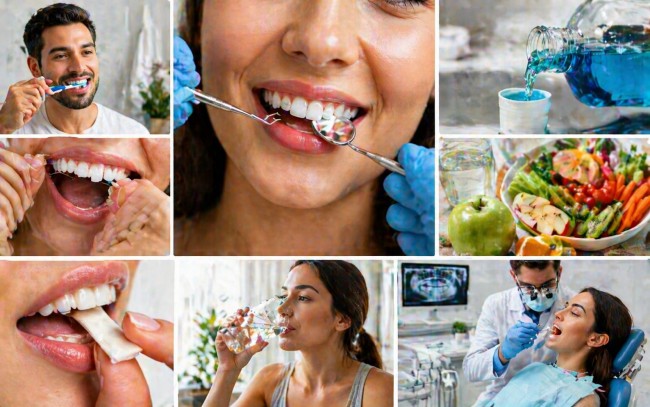
Do you notice a sticky film on your teeth after a day? That film is dental plaque, and it can cause cavities and gum disease. This post will show simple daily habits, food tips, and when to see a dentist to stop plaque.
Keep reading.
Daily Habits to Prevent Plaque Buildup
Simple habits can keep your teeth clean and healthy—these steps help wash away bacteria. Small changes each day really do make a difference for tooth care and plaque control.
Brush teeth twice a day with fluoride toothpaste
Brush teeth twice a day with fluoride toothpaste to cut plaque and fight bacteria that cause tooth decay. Use a soft brush, two minutes each time, and aim to cover all tooth surfaces to lower tartar risk.
Spit, do not rinse with water right away, to let fluoride work with your saliva. Pair brushing with daily flossing, an antiseptic mouthwash, and regular dental cleaning for the best oral hygiene. Fluoride helps stop tooth decay and slows tartar build-up.
Floss daily to remove plaque between teeth
Brushing your teeth twice a day with fluoride toothpaste is essential. Flossing daily is just as important. It helps remove plaque from between your teeth, where your toothbrush can’t reach.
Plaque can harden into tartar if not cleaned away. Tartar leads to tooth decay and gum disease.
Using floss takes only a few minutes each day. Slide the floss gently between each tooth, moving it up and down along the sides of the teeth. Don’t forget to clean behind your back teeth too! This simple step keeps bacteria at bay and protects your smile for longer.
Use an antiseptic, alcohol-free mouthwash
Using an antiseptic, alcohol-free mouthwash helps fight bacteria. It freshens breath and keeps your mouth healthy. This type of mouthwash kills germs without drying out your mouth.
Alcohol can hurt sensitive gums, so choosing a gentle option is wise.
Mouthwash reaches areas that brushing and flossing might miss. Swishing it around for 30 seconds gives it time to work well. Make this a part of your daily routine after brushing and flossing. It’s a simple way to boost your oral hygiene and prevent plaque buildup effectively!
Dietary Adjustments for Plaque Prevention
Diet can really affect plaque buildup. Cut back on sugary snacks and starchy foods. Snack on crunchy fruits and veggies instead. They help clean your teeth naturally!
Limit sugary and starchy foods
Sugary and starchy foods can harm your teeth. Bacteria in your mouth feed on these sugars, creating acid that leads to tooth decay. Snacks like candy, chips, or soda can increase plaque buildup. Eating too many of these foods raises your risk for cavities.
Instead, choose healthier options. Crunchy fruits and veggies help clean your teeth while you eat. Foods like apples and carrots are good choices. They can reduce plaque and support oral hygiene. Keeping a balanced diet is key to preventing gum disease too.
Eat crunchy, fiber-rich fruits and vegetables
Eating crunchy, fiber-rich fruits and vegetables is great for your teeth. Foods like apples, carrots, and celery help clean your teeth as you chew. These snacks scrub away plaque and food particles.
They also boost saliva production. Saliva helps wash away bacteria that can cause tooth decay.
Fiber keeps your gums healthy, too. Strong gums support your teeth well. Choose these foods often to keep dental plaque at bay. The crunchiness adds fun to snacking while caring for oral hygiene!
Hydration and Rinsing Practices
Staying hydrated is key for your mouth. Drink water often, especially after meals to wash away food and bacteria. Chewing sugar-free gum can also help keep your mouth fresh and boost saliva flow.
Saliva plays a big role in fighting plaque, too!
Drink water frequently, especially after meals
Drinking water helps wash away food particles and plaque. It keeps your mouth moist, which is good for your teeth. Saliva also fights bacteria that cause tooth decay and gum disease.
After meals, take a few sips of water to keep your mouth clean.
Water can reduce the acidity in your mouth after eating sugary or starchy foods. This is important because acids can lead to cavities and tartar buildup. So, make it a habit to drink water often; it’s an easy way to support oral hygiene.
Chew sugar-free gum with xylitol
Chewing sugar-free gum with xylitol helps keep your mouth healthy. It boosts saliva production, which washes away food particles and bacteria. More saliva means less plaque buildup on your teeth.
Xylitol is special because it can fight cavities by preventing harmful bacteria from sticking to your teeth. Incorporating fluoride toothpaste and regular brushing into your routine can significantly help prevent gum disease.
Using this type of gum after meals can be a great habit. It’s an easy way to contribute to good oral hygiene while also freshening your breath. So next time you think about gum, go for the sugar-free kind with xylitol!
Professional Dental Care
Regular visits to the dentist keep your teeth healthy. Cleanings every six months can help catch problems early and keep plaque away.
Schedule regular dental cleanings every six months
Dental cleanings, such as ultrasonic teeth cleaning, are key for good oral hygiene. Visit your dentist every six months for a cleaning. During this visit, the dentist will remove plaque and tartar from your teeth. They check for signs of tooth decay and gum disease, too. Early detection helps stop problems before they get worse.
These cleanings make your mouth healthier and fresher. Your dentist can give you tips on brushing, flossing, and using mouthwash effectively. Keeping up with these visits can help avoid costly treatments later on. It is a simple step to protect your smile!
Address dental issues like misaligned teeth promptly
Misaligned teeth can cause problems for your mouth. They may lead to plaque buildup and gum disease. Bacteria love hiding in hard-to-reach places. Keeping your teeth straight helps with cleaning them properly. If you have crooked teeth, visit your dentist soon.
The right treatment can fix misalignment. Braces or clear aligners are common options. Addressing these issues quickly will enhance your oral hygiene and health. Taking care of any dental issue is key to avoiding more serious problems, like tooth decay or cavities.
Conclusion
Taking care of your teeth is key to preventing plaque buildup. Brush and floss every day. Watch what you eat; skip excess sugars and enjoy more crunchy veggies. Drink plenty of water, too! Regular dental visits keep your smile bright and healthy. With these simple steps, keeping plaque at bay is easy!