7 Things to Know About Tourist eSIM Plans
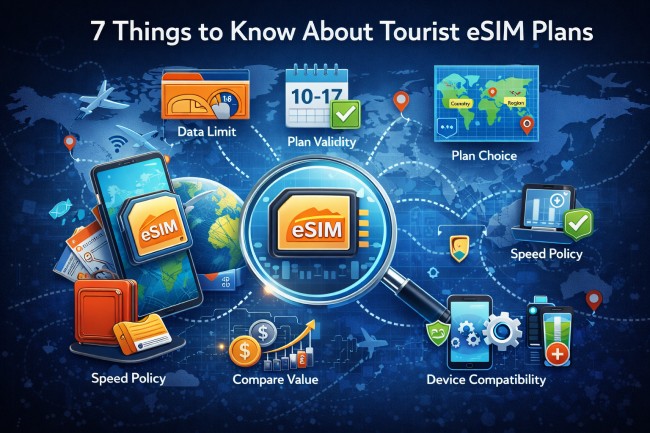
Travelers often face confusion when selecting mobile data plans for international trips. Different prices, data limits, and validity periods make it difficult to decide which plan is right. Some plans look affordable but include hidden limits, while others include features that may not be necessary. Choosing the wrong plan can lead to slow internet or extra expenses during travel.
This is why many travelers now choose a travel eSIM before their trip. It allows them to stay connected without visiting local stores or changing SIM cards. However, plans can differ in many ways, so comparing features carefully is important. Check these factors before making a decision, and read this article to gain more knowledge.
-
Data Limit Matters More Than You Think
Data limit is one of the first things travelers should check before choosing a plan. Many people assume that small data plans are enough, but daily usage can add up quickly. Maps, messaging, ride apps, and browsing all consume data every day. Video calls, uploads, and streaming use even more data. Travelers should estimate their daily data usage and choose a plan based on trip duration. This prevents data from finishing too early and helps avoid the need to purchase additional data during the trip.
-
Plan Validity Should Match Trip Length
Plan validity is another important factor that travelers should check carefully. Some plans are valid for only a few days, while others last for several weeks or months. Travelers should always match the plan validity with their travel dates. A plan that expires early can create connectivity problems, while a plan that lasts too long may cost more than necessary. Choosing the correct validity helps manage travel expenses and ensures uninterrupted internet access throughout the trip without needing to switch plans.
-
Country Or Region Plan Choice
Travelers should decide whether they need a country-specific plan or a regional plan. Country plans work well for people visiting only one destination. Regional plans are better for travelers visiting multiple countries on the same trip. Regional plans allow travelers to move between countries without changing plans. This makes travel easier and reduces the need to buy multiple plans. Checking destination coverage before buying a plan helps travelers avoid network issues after arrival and ensures smooth connectivity during the entire journey.
-
Speed Policy Is Important
Many travelers focus only on the amount of data and price, but the speed policy is also very important. Some plans offer high-speed data up to a certain limit, after which the speed becomes slower. Other plans offer slower but unlimited data. Travelers who depend on navigation, bookings, or work should choose plans that provide stable high-speed internet. Slow internet can create problems when using maps, making payments, or accessing travel documents. Reading speed policy details helps travelers choose a plan that matches their internet usage needs.
-
Compare Value Instead Of Only Price
Price alone should not be the main factor when choosing a plan. A cheaper plan may offer very little data, while a slightly more expensive plan may include more data and longer validity. Travelers should compare the cost per GB instead of just looking at the price. This helps understand which plan offers better value. Looking at overall value helps travelers choose a plan that provides enough data, good speed, and proper validity without paying extra for features that are not needed.
-
Device Compatibility Must Be Checked
Not all smartphones support eSIM technology, so travelers must check device compatibility before buying a plan. Most newer smartphones support eSIM, but older devices may not. Travelers should check their phone settings or device specifications to confirm compatibility. They should also make sure the phone is unlocked so it can use international networks. Checking compatibility before purchase helps avoid activation problems and ensures the plan works properly once the traveler reaches the destination.
-
Top-Up And Extension Options Help
Plans that include top-up or extension options are very useful for travelers. Sometimes travelers use more data than expected, especially when using maps, social media, or video calls. If a plan allows top-up, travelers can add more data without buying a completely new plan. Extension options are also useful if travel dates change. These features provide flexibility and help travelers manage their internet usage without stress during the trip.
When travelers compare all these factors carefully, they can choose the right travel eSIM and enjoy smooth internet access throughout their trip without unexpected costs. Tourist mobile data plans are very useful for staying connected during international trips, but choosing the right plan requires careful comparison. Data limit, validity, coverage, speed, and activation timing all play an important role in selecting the right plan. Small features like support and top-up options also improve the experience.