Why X/Twitter Video Editing Matters More for Creators, Brands, and Digital Publishers
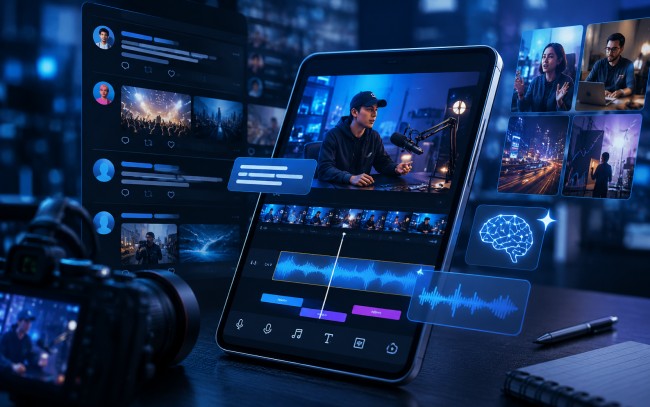
X, still widely called Twitter by many users, has always been associated with speed. News breaks there. Opinions form there. Brands respond there. Creators test ideas there. Journalists, founders, analysts, fans, commentators, and communities often use the platform as a live public conversation.
For years, that conversation was mostly text-led. A sharp post, a short thread, a screenshot, or a quote reply could travel quickly. Video was part of the platform, but it was not always central to how people thought about Twitter content.
That has changed. Short clips, commentary videos, product demos, event footage, podcast cuts, explainers, interview moments, sports reactions, and breaking-news visuals now move across X/Twitter every day. The platform is no longer only a place where people write about what happened. It is increasingly a place where they show it.
For creators, publishers, and brands working with fast-moving clips, Twitter video editing tools are becoming part of the publishing workflow rather than a final polish step. A clip often needs trimming, context, captions, pacing, and format adjustments before it can work in a feed built around quick attention.
Nemo Video is relevant to this shift because it focuses on conversational AI video editing. Instead of treating each clip as a traditional timeline project, it helps users work from raw footage, social clips, links, or rough ideas and move toward platform-ready edits with captions, B-roll, audio, and faster revision.
The reason this matters is simple: on X/Twitter, timing and clarity often decide whether a video becomes useful or disappears in the feed.
X/Twitter Video Has a Different Job
A video on X/Twitter does not always behave like a video on YouTube, TikTok, Instagram, or LinkedIn.
On YouTube, a viewer may arrive with more intent. On TikTok, entertainment and discovery often drive the experience. On Instagram, visual style and identity may matter heavily. On LinkedIn, professional relevance shapes engagement.
X/Twitter is different because it is tied closely to live conversation. A clip may be attached to breaking news, a product update, a public debate, a founder comment, a sports moment, a conference talk, or a cultural reaction. People may watch it because it helps them understand what others are discussing right now.
This creates a specific editing need. The video has to provide context quickly. It has to be understandable without a long setup. It should work even when someone is scrolling between posts, replies, quotes, and other media.
The edit is not just about making the video look better. It helps the viewer understand why the clip matters.
Raw Clips Often Fail Without Context
Many videos posted on X/Twitter begin as raw material. A phone clip from an event. A screen recording. A podcast excerpt. A customer demo. A public speech. A webinar segment. A product walkthrough. A news clip. A founder update recorded quickly between meetings.
Raw footage can feel authentic, but it is not always clear.
A viewer may not know who is speaking, what happened before the clip, why the moment is important, or what part they should pay attention to. If the clip begins too slowly, people scroll past before the useful part appears. If the audio is unclear, the message is lost. If there are no captions, silent viewers miss the point.
A simple edit can change that. Cutting the dead space, adding a short visual label, improving the first few seconds, inserting captions, or tightening the ending can make the same clip much easier to understand.
This is especially important for digital publishers. They may be sharing news, commentary, interviews, or public-interest footage. The job is not only to post the video. It is to make sure the video communicates the point accurately and quickly.
Captions Are No Longer Optional
Captions have become part of how social video is consumed. Many people watch without sound. Others scroll in public places, during commutes, at work, or while multitasking. A clip that depends entirely on audio may lose a large part of its audience before the message begins.
On X/Twitter, captions also help clips travel across different viewing situations. A viewer may open the post in a busy feed, glance at the first line of text, and decide whether to continue. Captions give the video another layer of entry.
Good captions are not only transcripts. They guide attention. They highlight the key phrase, clarify a speaker’s point, and make a clip easier to follow. For interviews, product explainers, or commentary videos, captions can turn a passive clip into a clearer argument.
This is one reason editing tools matter more now. The work is not finished when the video is uploaded. The clip still needs to be shaped for how people actually watch.
Shorter Does Not Always Mean Clearer
There is a temptation to cut every social video as short as possible. Short clips can work well, but shorter is not automatically better.
A 12-second clip may be too vague if it removes the setup that explains the moment. A 45-second clip may perform better if it gives the viewer enough context to understand the argument. A product demo may need a few extra seconds to show the before-and-after. A news clip may need a caption or brief introduction so it does not become misleading.
The best length depends on the job of the video.
A reaction clip may need speed. A technical explanation may need clarity. A brand update may need a clean message. A publisher clip may need enough context to avoid confusion. A creator clip may need a stronger opening but still preserve the personality that makes the content worth watching.
Editing for X/Twitter is less about chasing a universal duration and more about removing what weakens the clip while keeping what makes it understandable.
Brands Need More Than Occasional Video Posts
Brands often treat X/Twitter as a place for announcements, customer replies, industry comments, and thought leadership. Video adds another layer to that presence.
A founder can explain a product decision. A product team can share a feature demo. A company can post an event highlight. A customer success team can turn a common support issue into a short explainer. A brand can respond to an industry conversation with a concise video instead of another text post.
These videos do not always need heavy production. In fact, overly polished content can sometimes feel out of place on a fast-moving platform. What matters is clarity, timing, and relevance.
The challenge is producing enough useful video without slowing the marketing team down. A brand may have plenty of material from webinars, podcasts, product demos, internal recordings, or live events, but the material needs editing before it becomes suitable for the feed.
A better workflow allows the team to extract useful moments quickly and publish them while the conversation is still active.
Digital Publishers Need Speed and Accuracy
For digital publishers, video editing is not only a creative task. It is an editorial responsibility.
A clip can shape how people understand an event. Cutting too aggressively can remove important context. A misleading caption can change the meaning. Posting a low-quality excerpt without explanation can create confusion, especially when the topic is sensitive or fast-moving.
This makes review important.
Publishers need speed, but they also need accuracy. A video should be trimmed for attention without distorting the story. Captions should make the clip clearer, not more sensational. If footage is repurposed from another source, the publisher should consider rights, attribution, and the reliability of the original context.
AI-assisted editing can help with production speed, but editorial judgment remains human. The person publishing the clip still has to decide whether the edit is fair, whether the description is accurate, and whether the audience has enough context.
On a platform built for rapid reaction, that judgment is part of the value.
Creators Can Repurpose Without Repeating Themselves
Creators often have more usable material than they think. A podcast episode can become several X/Twitter clips. A YouTube video can become a short argument. A livestream can become a highlight. A product review can become a quick comparison. A long interview can become a series of concise moments.
The goal is not to repost the same content everywhere without thought. X/Twitter clips usually need a sharper entry point and clearer context.
A creator might take one longer video and create multiple versions: a quick quote clip, a context-rich explainer, a reaction-friendly moment, and a practical takeaway. Each version can serve a different audience behavior within the same platform.
This kind of repurposing helps creators stay visible without needing to film from scratch every day. It also helps ideas travel beyond the audience that watched the original long-form content.
The value is not only efficiency. It is giving good material more chances to find the right viewer.
Editing Should Respect the Feed
Every platform has habits. X/Twitter users often move quickly between posts, replies, screenshots, links, clips, and live commentary. A video has to survive that environment.
The first seconds matter, but they should not become cheap bait. Captions help, but they should not turn the clip into clutter. Music can support the mood, but it may not fit serious commentary or news clips. B-roll can make an explanation more dynamic, but it should not distract from the point.
A good edit respects the feed by getting to the point without stripping away meaning.
For creators and brands, this requires a different mindset from traditional video production. The goal is not to create one perfect video asset and distribute it everywhere. The goal is to shape the clip for the way people encounter it on the platform.
That may mean a tighter opening, a clearer caption, a different aspect ratio, or a shorter ending. Small editing choices can decide whether the viewer understands the clip quickly enough to keep watching.
AI Editing Helps Most When It Reduces Repetitive Work
The repetitive parts of social video editing can slow teams down. Removing dead space, cleaning up the opening, adding captions, preparing different versions, matching simple visuals, adjusting pacing, and creating platform-ready exports all take time.
AI video editing tools are useful when they reduce that production drag.
The human still decides what the clip should say, which moment is worth publishing, and whether the final edit represents the message correctly. AI can help create a faster path from raw footage to a usable draft. The creator, publisher, or brand team then reviews the clip for tone, context, and accuracy.
This balance matters because speed without judgment can lead to shallow or misleading content. Judgment without speed can make teams miss timely conversations.
The strongest workflow uses both.
Twitter/X Video Is Becoming a Publishing Skill
Posting video on X/Twitter is no longer only a technical upload task. It is becoming a publishing skill.
The people who do it well understand timing, context, captions, pacing, rights, audience expectations, and platform behavior. They know when a rough clip feels authentic and when it feels careless. They know when to keep context and when to cut. They know when a caption improves clarity and when it makes the video feel overproduced.
This skill matters for creators who want their ideas to travel. It matters for brands that want to communicate beyond announcements. It matters for publishers that need to move quickly without weakening trust.
As video becomes more central to public conversation, the editing workflow around it becomes more important.
A good X/Twitter video does not need to be cinematic. It needs to be timely, understandable, and honest about what it is showing. The better the edit, the easier it is for the right audience to understand the moment before the feed moves on.
Also Read
- Opus Clip: AI Tool for Viral Video Clipping & Editing
- Short AI Review: Unlocking the Power of AI Caption Generator for Modern Video Creation
- Transform Your Content Creation with Vidnoz AI: The Ultimate Text-to-Video and Video Translator Tool
- Clipfly Review: Elevate Your Videos with AI Innovation
- The 5 Best AI Photo Video Makers for Visual Creators (2026)