What to Do During a Tyre Emergency on UK Roads
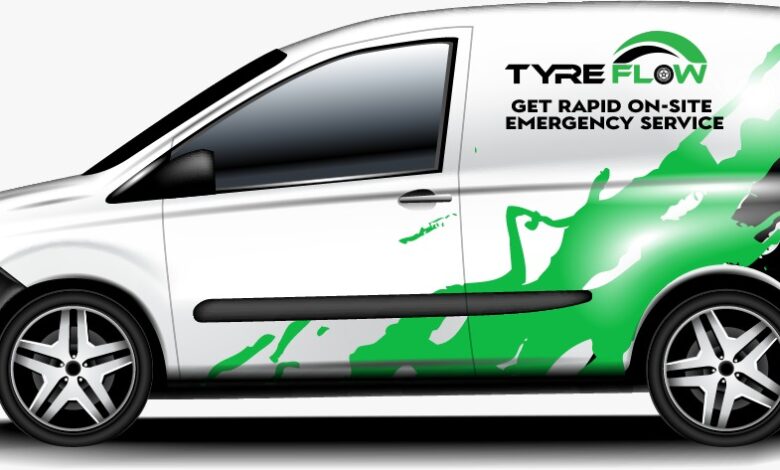
A tyre emergency can happen when you least expect it—on a busy motorway, a quiet residential street, or during a long-distance journey. For drivers in major cities, services like Mobile Tyre Fitting Birmingham have become increasingly important, offering quick roadside solutions without the need to visit a garage. Knowing how to react calmly and safely during a tyre issue can make a significant difference in preventing further damage or risk.
This guide explains the essential steps every UK driver should follow during a tyre emergency and how modern mobile tyre services are changing the way roadside assistance works.
Common Causes of Tyre Emergencies
Understanding what leads to tyre problems can help drivers stay prepared. Some of the most common causes include:
- Sharp objects such as nails or glass
- Poor road conditions and potholes
- Under-inflated or over-inflated tyres
- Worn tread or aging tyres
- Sudden impact with kerbs
UK weather and road conditions often accelerate tyre wear, making emergencies more likely if tyres are not checked regularly.
Step 1: Stay Calm and Pull Over Safely
The first and most important step during a tyre emergency is to remain calm. If you notice unusual vibrations, steering issues, or warning lights, slow down gradually and avoid sudden braking.
Pull over to a safe location such as:
- A hard shoulder (if on a motorway)
- A lay-by or quiet side street
- A car park or service area
Turn on your hazard lights immediately to alert other road users.
Step 2: Secure the Area and Ensure Visibility
Once stopped, safety should be your top priority. Before inspecting the vehicle:
- Apply the handbrake
- Switch off the engine
- Exit the vehicle carefully (from the passenger side if possible)
- Wear a high-visibility jacket
If you have a warning triangle, place it at least 45 metres behind your vehicle (except on motorways, where triangles should not be used).
Step 3: Assess the Tyre Damage
Not all tyre problems are the same. Take a quick visual check to determine the severity:
- Slow puncture: tyre losing air gradually
- Flat tyre: completely deflated
- Sidewall damage: bulges or cuts
- Blowout: sudden loss of air at speed
Sidewall damage and blowouts should never be repaired—replacement is the only safe option.
Step 4: Avoid Driving on a Damaged Tyre
Driving on a flat or severely damaged tyre can cause:
- Wheel rim damage
- Loss of vehicle control
- Increased stopping distance
- Higher repair costs
If you do not have a usable spare tyre or the damage is severe, it’s best to avoid driving altogether and seek professional help.
Step 5: Consider Mobile Tyre Services
Traditional recovery services often involve towing the vehicle to a garage, which can be time-consuming and costly. Mobile tyre fitting services offer a practical alternative by sending a technician directly to your location.
These services typically provide:
- On-site tyre repair or replacement
- Quick response times
- No need for vehicle recovery
- Professional safety checks
This approach is particularly helpful during emergencies or when breakdowns occur outside normal garage hours.
How TyresFlow Supports Drivers During Emergencies
As mobile tyre services gain popularity across the UK, TyresFlow has focused on providing reliable, on-demand assistance for drivers facing tyre issues. Through a nationwide network of mobile technicians, the service aims to reduce downtime and improve safety during roadside emergencies.
By bringing the right equipment and expertise directly to the vehicle, TyresFlow helps drivers avoid unnecessary towing and return to the road as quickly as possible.
Step 6: Know When to Call for Help Immediately
Certain situations require professional assistance without delay:
- Tyre blowouts at high speed
- Damage to multiple tyres
- Breakdowns in unsafe locations
- Lack of spare tyre or tools
Attempting DIY fixes in unsafe environments can put drivers and passengers at serious risk.
Preventing Future Tyre Emergencies
While emergencies can’t always be avoided, regular maintenance significantly reduces the risk. Drivers should:
- Check tyre pressure monthly
- Inspect tread depth regularly (minimum legal limit is 1.6mm)
- Avoid driving over potholes or debris when possible
- Replace aging tyres even if tread appears adequate
Preventive care not only improves safety but also extends tyre lifespan.
The Future of Roadside Tyre Assistance
With increasing demand for convenience and faster response times, mobile tyre services are becoming a standard solution rather than an alternative. Advancements in logistics, tracking, and service coverage continue to improve reliability for drivers across the UK.
As more motorists become aware of these services, mobile tyre fitting is expected to play a central role in roadside safety and emergency response.
Frequently Asked Questions (FAQs)
Can I drive a short distance on a flat tyre?
No. Driving on a flat tyre can damage the wheel and compromise vehicle control.
Are mobile tyre services available at night?
Many providers offer 24/7 emergency assistance, including nights and weekends.
Can a tyre always be repaired?
No. Sidewall damage, large punctures, and severe wear require tyre replacement.
Do mobile tyre technicians carry all tyre sizes?
Most carry common sizes, but availability can vary depending on vehicle type.
Is mobile tyre fitting safe?
Yes, when performed by trained professionals following UK safety standards.