How to Transfer a Private Number Plate Between Vehicles
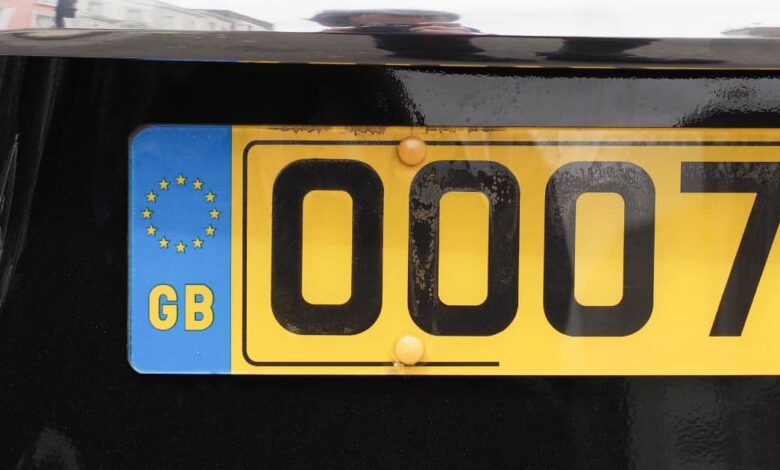
A private number plate is often something you choose carefully—whether it represents your name, a special date, or a personal brand. When you change vehicles, it’s natural to want to take that plate with you. Fortunately, transferring a private number plate between cars is a well-defined process, and with the proper preparation, it can be completed smoothly and legally.
This guide explains how the transfer works, what you’ll need, and how to avoid common mistakes along the way.
Check That Both Vehicles Are Eligible
Before starting the transfer, could you confirm that both the donor vehicle (the one currently displaying the plate) and the recipient vehicle meet the basic requirements? The vehicles must be correctly registered, and the private plate must not make the receiving vehicle appear newer than it actually is.
In most cases, the vehicles should also be taxed or declared SORN, and the recipient vehicle should be roadworthy. Confirming eligibility early helps prevent delays or rejected applications.
Choose Between Direct Transfer or Retention
There are two main ways to move a private number plate:
- Direct transfer, where the plate is moved straight from one vehicle to another
- Retention, where the plate is removed from the car and held on a certificate for future use
Retention is a popular option if you’re selling your car but plan to assign the plate to another vehicle later.
Complete the Transfer Online or by Post
Most people choose the online transfer option, as it’s faster and more convenient. You’ll typically need the vehicle logbooks (V5C) and the certificate for the private plate. Once submitted, many transfers are processed almost instantly.
Some drivers prefer using specialist services that manage the process for them. Exploring options for Private Plates can be especially helpful if you want assistance with paperwork or are handling multiple vehicles.
Pay the Required Fees
There is usually a standard transfer or retention fee that covers the administrative costs of moving the plate and reassigning the original registration to the donor vehicle. This fee applies whether you transfer the plate directly or place it in retention.
Update Your Records After the Transfer
Once the transfer is approved, you’ll need to fit the correct physical number plates to both vehicles. It’s also important to inform your insurance provider about the registration change and update any services linked to your car, such as parking permits or toll accounts. Updated logbooks are typically issued automatically, though they may take a short time to arrive.
Avoid Common Transfer Mistakes
Problems often arise from minor oversights, such as removing plates before receiving confirmation, forgetting to notify insurers, or using incorrect spacing or fonts on plates. Staying patient and waiting for official approval before making changes is key.
Final Thoughts
Transferring a private number plate between vehicles doesn’t have to be complicated. By checking eligibility, choosing the correct transfer method, and keeping records up to date, you can move your plate with confidence. A private number plate is a personal asset—taking the time to transfer it correctly ensures it continues to represent you, no matter which vehicle you drive next.