What Schools Should Know Before Investing in a Modular Classroom
Comparing Modular Classroom Pricing To Traditional Construction
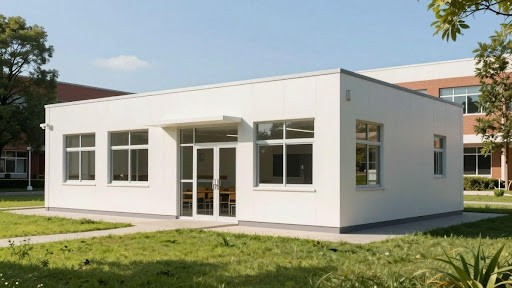
When schools look at adding space, the first thing that comes up is cost. Modular classrooms offer a clear financial advantage over building from scratch. Think about the timeline: a modular classroom can be ready in a few months, while traditional construction often takes a year or more. This speed means less disruption and faster access to needed space. The cost per square foot for modular units generally falls between $40 and $200, a significant drop from the $150 to $300 per square foot typical for traditional builds. This difference is largely due to factory production, which cuts down on labor and material waste.
The speed and cost-effectiveness of modular construction make it a smart choice for schools. This approach allows for parallel work – site preparation can happen while the classroom is being built in a factory. This efficiency translates directly into savings for the school district. Beyond the base price, schools should also consider the long-term value. While the initial investment for purchasing a modular classroom might seem high, over its lifespan, it often proves more economical than renting or traditional building.
Here’s a quick look at how they stack up:
| Factor | Modular Classroom | Traditional Building |
| Construction Timeline | 1-3 months | 8-18 months |
| Cost per Sq Ft | $40-$200 | $150-$300 |
| Site Disruption | Minimal | Extensive |
| Permanent Installation | Yes | No |
| Relocatability | Yes | No |
Identifying Hidden Costs Beyond Purchase Or Rental
While the sticker price of a modular classroom is attractive, schools need to look beyond that initial figure. There are several other costs that can add up. Permits and inspections are a common requirement, usually costing between $500 and $2,000. Site improvements, like landscaping or minor grading, can range from $2,000 to $10,000. Don’t forget furniture and equipment; this can add another $5,000 to $30,000 depending on what’s needed inside.
Ongoing expenses are also part of the picture. For permanent modular units, annual maintenance typically runs 2-4% of the purchase price. Utilities, like electricity and heating, will also be a recurring cost, often between $200 and $500 monthly, depending on your climate and usage. Understanding these potential hidden costs helps schools create a more accurate budget and avoid surprises down the line. Planning for these extras is key to a successful modular classroom project.
Budgeting for modular classrooms requires a holistic view, accounting for upfront expenses, site preparation, ongoing maintenance, and utility costs to get a true picture of the investment.
Evaluating Long-Term Value: Purchase Versus Rental
Deciding whether to buy or rent a modular classroom depends heavily on the school’s specific needs and future plans. If the need for extra space is temporary, perhaps for a few years during renovations or a short-term enrollment spike, renting makes a lot of sense. Rental rates can vary, but a typical classroom might cost between $600 and $4,500 per month, depending on size and duration. This offers flexibility without a large upfront commitment.
However, for schools anticipating sustained growth or needing permanent expansion, purchasing a modular classroom is often the more financially sound decision over the long haul. While the initial purchase price is higher, owning the unit builds equity and can be significantly cheaper than renting over a decade or more. Used modular classrooms are also an option, offering substantial savings compared to new units while still providing many years of service. The choice between purchase and rental really comes down to the school’s long-term vision and financial strategy for its facilities.
Here are some points to consider:
- Rental: Ideal for temporary needs (under 3 years), budget flexibility, avoiding long-term maintenance.
- Purchase: Best for permanent expansion, sustained enrollment growth, building equity, and long-term cost savings.
- Used Units: A good middle ground for budget-conscious schools needing durable, long-term space at a reduced cost.
The Modular Classroom Design And Construction Process
Collaborative Design Consultation For Specific Needs
Getting a modular classroom started involves a good chat. Schools work with providers to figure out exactly what they need. This means talking about room sizes, how many students will use the space, and any special features. It’s all about making sure the final design fits the school’s unique situation. This initial step is key for a successful modular classroom project.
Factory Prefabrication In Controlled Environments
Once the design is set, the building happens off-site. Think of a factory, but for classrooms. This controlled setting means weather doesn’t cause delays. Workers can build the modular classroom sections precisely, following the approved plans. This part of the modular classroom process is where quality control really shines.
Efficient Transportation And On-Site Installation
After the factory build, the sections are shipped to the school. They arrive ready to be put together. Installation on-site is usually quick. The goal is to get the new space ready with minimal fuss. This speed is a big win for schools needing space fast. The whole modular classroom design and construction process aims for efficiency from start to finish.
Exploring Options For Acquiring A Modular Classroom
When a school needs more space, there are a few ways to get a modular classroom. It really depends on how long the space is needed and what the budget looks like. Thinking about these options upfront helps make the right choice.
Purchasing New Modular Classrooms For Permanent Needs
Buying a new modular classroom is a solid choice for schools that need space for the long haul. This means the school plans to use the classroom for many years, maybe even permanently. It’s like buying a house – a bigger upfront cost, but it becomes an asset. This option is great for schools with steady enrollment growth or those planning major expansions that aren’t temporary.
Purchasing offers the best long-term value for permanent space needs. It builds equity for the school district. When you purchase, you own the structure outright. This means no ongoing rental payments eating into the budget year after year. It’s a significant investment, but for a permanent solution, it often makes more financial sense over a decade or more compared to renting.
Considering Pre-Owned Modular Classrooms For Budget Savings
For schools watching their pennies, looking at pre-owned modular classrooms can be a smart move. These are buildings that someone else has used and are now available for resale. They can offer a significant cost reduction compared to buying new. It’s a bit like buying a used car – you get a functional product at a lower price point. This is a good way to get quality space without the brand-new price tag.
Pre-owned units are often available quickly, which can be a big plus if space is needed urgently. Schools should still inspect these units carefully, though. Checking for wear and tear, structural integrity, and any necessary upgrades is important. A good inspection can prevent future headaches and unexpected repair bills. It’s a practical way to acquire a modular classroom.
Leasing Temporary Modular Classrooms For Short-Term Needs
Leasing a modular classroom is the go-to for temporary space requirements. Think renovations, unexpected enrollment bumps, or special programs that won’t last forever. It’s a flexible solution that avoids the large capital outlay of purchasing. Schools pay a monthly fee, which usually covers the use of the building, and sometimes even includes delivery and installation.
This approach is ideal for situations where the need for extra space is time-limited. For example, if a school is undergoing a major renovation that will take six months, leasing a modular classroom for that period makes perfect sense. It provides the needed space without the long-term commitment or ownership responsibilities. It’s a practical way to manage fluctuating space demands. The flexibility of leasing a modular classroom is its biggest draw.
Customization And Features Of Modular Classrooms
Tailoring Layouts For Diverse Educational Requirements
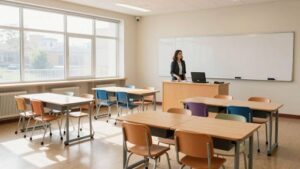
Modular classrooms aren’t one-size-fits-all. Schools can really shape the space to fit what they need. Think about different age groups or subjects. A kindergarten class might need more open play areas, while a science lab needs specific setups for equipment. The beauty of modular design is its flexibility. You can create layouts that work best for your students and teachers, whether it’s a single room or a whole building with multiple classrooms.
The goal is to create an optimal learning environment. This means thinking about traffic flow, natural light, and how students will interact with the space. Customization means the classroom truly serves its purpose, not just as a box, but as a functional learning hub. This level of detail in tailoring layouts is a big plus for modular construction.
It’s about making the space work for you. You can adjust room sizes, add specialized areas, and generally make the classroom fit your school’s unique vibe and educational goals. This adaptability is a key feature.
Integrating Technology And Modern Amenities
Today’s classrooms need more than just desks and a whiteboard. Modular classrooms can be outfitted with all the tech you’d expect. This includes smart boards, projectors, and robust Wi-Fi. Schools can also integrate modern amenities like charging stations for devices or even specialized sound systems for better acoustics. It’s about bringing the learning environment up to speed with current educational needs.
Think about security too. Modern modular classrooms can include updated security features, access control systems, and better lighting. This makes the space safer for everyone. The focus is on creating a functional, safe, and tech-ready learning space that supports modern teaching methods. This integration makes the modular classroom a complete solution.
It’s not just about adding gadgets; it’s about creating an environment where technology supports learning. This means planning for power, data, and ventilation needs for all that equipment. The modular approach allows for this planning upfront.
Enhancing Functionality With Turnkey Furnishings
Getting a modular classroom ready for students can be a lot faster with turnkey furnishings. This means the classroom comes with everything needed to start teaching right away. We’re talking desks, chairs, storage units, and even teacher’s desks. It saves schools a lot of hassle and time.
This option is great for schools that need space quickly or are on a tight budget. Instead of sourcing furniture separately, it’s all included. This makes the whole process smoother and more efficient. The focus here is on immediate usability.
Turnkey solutions mean the classroom is ready to go from day one. It simplifies the entire setup process, letting educators focus on teaching rather than logistics.
Key Considerations When Selecting A Modular Classroom Provider
Seeking Providers With Proven Educational Sector Experience
When looking for a company to supply your modular classroom, it’s smart to find one that really gets how schools work. The education sector has its own set of rules and needs, especially when it comes to safety and making sure learning isn’t interrupted. A provider familiar with these specific challenges, like managing site access while keeping students safe, will make the whole process smoother. They’ll know what questions to ask and what potential issues might pop up.
Think about it: a provider who has worked with other schools before will likely have a better handle on things like noise levels during construction, or how to set up a temporary classroom without disrupting a busy school day. This kind of experience means they’re not just building a structure; they’re building a solution tailored for an educational environment. Choosing a provider with a solid track record in the educational sector is a big step towards a successful project.
It’s not just about the building itself, but the whole experience. A provider who understands the educational landscape can offer insights you might not have considered, saving you time and headaches down the line. They’ve likely seen and solved problems before, making them a reliable partner for your school.
Evaluating Site Access And Installation Requirements
Before you even sign a contract, take a good look at your school’s site and think about how a modular classroom will get there and get set up. Some modular units are fully built and just need to be lifted into place, which requires a crane and plenty of open space. Others are built in sections and assembled on-site, which might be better if your school grounds are a bit more cramped or have limited access for heavy machinery.
It’s really important to discuss these details with potential providers. They should be able to assess your site and tell you exactly what’s needed for delivery and installation. This includes checking for overhead wires, tree branches, or any other obstacles that could complicate things. A good provider will be upfront about any site preparation that might be necessary, like reinforcing ground or clearing an area.
Understanding the logistical demands of getting the classroom onto your property is just as important as the classroom itself. Don’t overlook this step; it can significantly impact the timeline and cost.
This part of the process is where you really see the difference between a generic building supplier and one that specializes in modular solutions for schools. They’ll have a clearer picture of the challenges and how to overcome them, making sure your modular classroom arrives and is installed without a hitch. This careful planning prevents unexpected delays and extra costs.
Ensuring Transparency To Avoid Unexpected Charges
When you’re getting quotes for a modular classroom, make sure you know exactly what’s included. Some companies might give you a base price that looks good, but then add on costs for things like delivery, site preparation, or even basic furnishings later on. It’s best to look for a provider who offers a clear, all-inclusive price, often called a ‘turnkey’ solution.
This means everything from initial design and permits to final installation and any necessary site work is covered in one price. This transparency is key to budgeting effectively and avoiding those nasty surprises that can blow your school’s budget. Ask for a detailed breakdown of all costs involved, even the small ones.
A truly reliable provider will be upfront about every potential expense, no matter how minor it seems. They should be able to explain each charge and why it’s necessary. This open communication builds trust and helps you make an informed decision about your modular classroom investment.
It’s also a good idea to ask about warranties and what happens if something goes wrong after installation. A provider who stands behind their product and offers good after-sales support is worth their weight in gold. This commitment to clarity and service is what separates a good modular classroom provider from a great one.
Financing And Budgeting For Modular Classrooms
When thinking about a modular classroom, schools face big decisions regarding money and planning. Costs don’t stop at the sticker price. Careful planning is needed to prevent unexpected budget surprises. The focus should always circle back to the modular classroom and how best to invest in it for the school’s needs.
Exploring Direct Purchase And Payment Plans
Buying a modular classroom outright is the standard route for long-term needs. Direct purchase gives schools full ownership, building equity over time. Payment plans help spread out the financial impact, making large upfront costs manageable through scheduled installments.
Keep in mind: payment plans often come with interest or fees, so checking the full breakdown is worthwhile before signing. A direct purchase is almost always the lowest-cost option if the classroom will see use for a decade or more.
Understanding Operating Leases And Capital Leases
Operating leases are rentals—perfect for short-term or seasonal classroom needs, like construction work or enrollment spikes. Schools pay monthly, avoid big upfront payments, and can walk away at the end. Capital leases act more like a loan, where at the end of the term, the classroom may be owned by the school after a buyout.
Here’s a quick comparison:
| Lease Type | Upfront Cost | Ownership | Budget Impact |
| Operating Lease | Low | No | Expense |
| Capital Lease | Medium | Possible | Capital asset |
| Direct Purchase | High | Yes | Capital asset |
Carefully match the modular classroom finance method to your school’s long-term space plan and budget cycle.
Leveraging Government Funding And Grants
Don’t forget government money. Local, state, and federal grants exist to help schools afford capital improvements—especially if classrooms are needed fast. Some programs target rural or low-income districts, while others are open to all public schools.
Make a checklist for grants:
- Research deadlines and cycle dates
- Gather required paperwork early
- List project benefits (like speed or safety)
- Get all administrators on board
Budgeting for modular classrooms isn’t just about cost—it’s about making smart, flexible decisions today so your school is ready for tomorrow.
Finance choices shape more than a balance sheet; they define how quickly and confidently a school can react when space needs change.
Advantages Of Modular Classrooms Beyond Cost
Rapid Deployment For Urgent Space Needs
When schools face sudden enrollment increases or need to replace damaged facilities quickly, modular classrooms offer a fast solution. Construction happens off-site, meaning the building can be ready much sooner than traditional methods. This rapid deployment is a major plus for any school needing extra space without delay.
Minimizing Disruption To Daily School Operations
Building on-site can be noisy and messy, interrupting classes and student activities. Modular classrooms are built in a factory. This means less noise, dust, and traffic around the school grounds during the school year. The actual installation on-site is quick, further reducing the impact on daily school life. This minimal disruption is a key benefit.
Ensuring Superior Quality Control And Durability
Factory construction allows for strict quality checks. Materials are protected from weather, and building processes are standardized. This leads to a more durable and well-built structure. Many modular classrooms are designed to withstand tough weather, offering a safe and long-lasting learning environment. The quality control in a factory setting is hard to match with on-site building.
Making the Right Choice for Your School
So, when it comes down to it, deciding on modular classrooms isn’t just about getting more space quickly. It’s about looking at the long game for your school. Think about whether you need something temporary while you fix up the old buildings or if you’re planning for steady growth over many years. Weighing the costs of renting versus buying, and really digging into what extras might pop up, is super important. By doing your homework and picking a supplier who gets what schools need, you can end up with a learning environment that works well for students and staff, without breaking the bank. It’s a big decision, but with the right planning, it can really pay off.