The Essential Guide to Armoured Fibre Cable: Strengthening Network Infrastructure
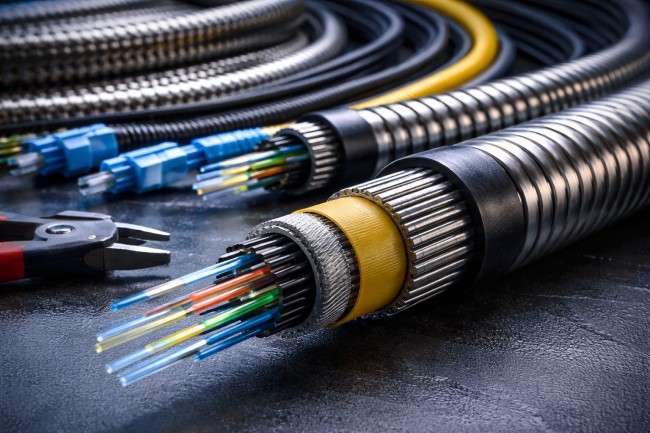
In today’s world of ever-evolving technology, the demand for robust network infrastructure is paramount. As the reliance on internet connectivity grows, so does the need for durable and reliable fibre optic cables. An armoured fibre cable offers a resilient solution, designed to withstand environmental stresses while maintaining optimal performance.
Understanding Armoured Fibre Cable
Armoured fibre cables are specially constructed to offer enhanced protection against external damages, such as physical impacts, rodents, and environmental elements. Unlike non-armoured cables, armoured types have a layer of metal armour or other protective materials, making them ideal for harsh environments or areas requiring extra security.
Benefits of Armoured Fibre Cable
The introduction of armoured fibre cables into network infrastructures brings numerous advantages. Primarily, they offer increased protection against mechanical stresses and are resistant to crushing and cuts. Their robust nature ensures that network downtime is minimised, maintaining a consistent flow of data with reduced maintenance costs.
Armoured fibre cables are also versatile and can be used in a variety of applications, from underground installations to building entrances. Their ability to withstand adverse conditions makes them the preferred choice for not just commercial but also residential settings.
Types of Armoured Fibre Cable
There are several types of armoured fibre cables, each designed to suit different environmental and structural requirements. These include single-armoured and double-armoured cables. Double-armoured cables provide an additional layer of protection, often employed in more demanding installations.
Single-armoured Cable
Single-armoured cables are equipped with one layer of armour, providing a balanced combination of protection and flexibility. They are commonly used in locations where the risk of physical damage is moderate.
Double-armoured Cable
These cables feature a dual layer of armour, offering maximal defence against the harshest conditions. Ideal for direct burial installations, double-armoured cables can withstand substantial mechanical strain.
Installation Considerations
Proper installation of armoured fibre cables is crucial for network reliability. Careful attention must be given to the environmental conditions and the intended path of the cable. It is vital to adhere to manufacturer guidelines to ensure the longevity and effectiveness of the cables.
Maintenance of Armoured Fibre Cable
Despite their robust construction, regular inspections and maintenance of armoured fibre cables are necessary to safeguard against unforeseen issues. Routine checks can preempt wear and tear, ensuring the network remains operational with minimal disruptions.
Applications of Armoured Fibre Cable
Armoured fibre cables find their application in diverse sectors, including telecommunications, military, industrial, and residential. Their adaptability and resistance to environmental factors make them suitable for a wide array of deployments, such as underground systems, within conduits, or strung along poles.
Telecommunications
In telecommunications, armoured fibre cables are indispensable for establishing high-performance network connections, particularly in areas prone to physical disturbances.
Military and Industrial Use
These cables are used extensively within military and industrial settings, where network stability and security are critical. The extra layer of armour ensures that sensitive data transmission remains uninterrupted.
Future Trends in Armoured Fibre Cable
As technological advancements continue, the materials and designs of armoured fibre cables will evolve to meet new demands. Future developments may focus on lighter, more flexible designs while maintaining the essential protective qualities that define current models.
In conclusion, the use of armoured fibre cable is critical in securing and enhancing network infrastructures. Their ability to endure challenging conditions ensures their continued relevance in the future of connectivity.