Smart Guide to Choosing Industrial Electrical Supplies Safely Now
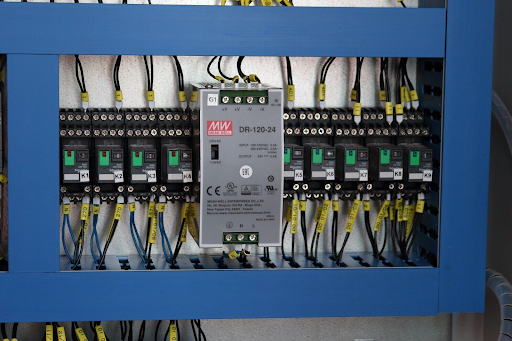
Choosing the right electrical parts can feel risky because one mistake can cost time, money, and safety. This guide breaks the process into simple steps you can use right away, from checking standards to reviewing suppliers. Following these steps lowers failures, cuts downtime, and protects your team and equipment.
As you move through each section, you’ll gain simple tools that make every buying decision faster, safer, and easier to justify. Keep reading to get the full picture and make sure your next choice is the right one.
Safety Starts with the Right Standards
Regulations and industry standards form the base of every safe electrical system. Choosing products that meet set norms removes hidden risks. OSHA and NFPA give clear rules for electrical safety and arc-flash protection.
Following these standards also lowers legal risk by keeping your setup within accepted safety rules. Good compliance makes inspections smoother and prevents delays from rework. This helps you avoid mistakes that slow down critical projects.
By basing your systems on OSHA and NFPA standards, you create resilient systems that withstand pressure. These guidelines promote safer planning, cleaner installations, and improved long-term performance. With strong standards in place, your team can work with greater confidence and less stress.
Smart Checks That Keep Your Electrical System Safe
Correct electrical ratings are non-negotiable, as they protect both people and equipment. Choose products that fit your system’s voltage, current, and fault levels to avoid failures. Also consider heat, moisture, UV, chemicals, and stress because they can damage materials and insulation.
When sizing cables, calculate both ampacity and voltage drop based on load and distance. Oversizing once costs less than replacing failed cable runs later. Choose flame-retardant, oil-resistant, UV-stable materials and confirmed IP ratings to handle tough environments.
Proof That Your Electrical Gear Is Truly Safe
Choose products that include clear test reports and certifications you can verify. These documents show the item passed key electrical, mechanical, and fire-safety checks. Avoid products without traceability numbers because they often signal weak quality control.
Ask suppliers for material test certificates, type test reports, and factory inspection records before you buy. These documents help you confirm the product meets safety and performance standards. They also protect you from hidden defects that may cause failures later.
Check that each item has simple batch traceability so you know where it came from. Make sure the warranty is clear and offers real coverage. Confirm the vendor can provide spare parts or replacements quickly when needed.
Choose Partners Who Stand Behind Their Products
A good supplier gives more than a low price-they give you confidence. Check their manufacturing source, delivery history, and technical support to see if they are dependable. A trusted supplier will stand behind the product if defects or recalls happen.
Watch for red flags like missing factory documents, unrealistic lead times, or sudden price changes. These warning signs suggest weak controls or unstable operations. If they cannot explain the gaps, it’s safer to look elsewhere.
Be careful if they have no local technical reps or service partners. Keep clear communication records and use one main contact to avoid confusion. This simple setup helps solve issues fast and keeps your projects moving smoothly.
Build Safety Into Every Step
A strong safety program creates the foundation for every product, installation, and the safe use of power cables. It sets clear rules for how work should be done and keeps teams focused on preventing avoidable hazards. When safety is the baseline, every task is done with intention and consistency.
Start by defining arc-flash boundaries, securing permits, and listing the exact PPE needed for each task. These steps protect workers before anyone goes near energized equipment. With firm controls in place, teams can work faster and with more confidence.
Use NFPA guidance to calculate incident energy, train staff, and apply clear labels where they matter most. These labels help every worker understand the risks and respond the right way. When training, labeling, and planning align, your workplace becomes safer and more predictable.
Quality That Lasts Beyond Installation
Buying quality equipment is only the first step toward safe and reliable performance. Proper installation and steady maintenance decide how long it lasts and how well it works. Routine testing helps you spot early problems and keep the system running smoothly.
Set simple maintenance cycles so upkeep stays on track. Include insulation checks, torque tests, thermal scans, and planned part replacements to avoid sudden failures. These steps keep your equipment stable and cut the risk of downtime.
After installation, run basic checks like insulation resistance, continuity, and function tests to confirm everything is set. Create a clear handover pack with drawings, test reports, and vendor contacts for future work. Keep these records organized to speed up audits and make troubleshooting easier.
Your Quick, Safe Checklist for Choosing Electrical Gear
Start by confirming the standards and certifications that apply to the equipment. This helps you stay aligned with OSHA requirements and reduces compliance risks. Clear documents also show the product passed the right safety tests.
Next, check electrical ratings, conductor size, and environmental suitability to match real operating conditions. Use trusted references to confirm voltage, current, and insulation needs. Request test reports and traceability records to verify how the product was made and tested.
Finally, review the supplier’s reliability, warranty, and spare parts support so you avoid delays later. Plan installation steps, PPE needs, labels, and maintenance routines before you buy. Preparing these early keeps your team safe and the system running well.
A Strong Finish for Safer, Smarter Buying
Choosing the right electrical supplies keeps your team safe and reduces downtime. Using standards, reports, good suppliers, and a checklist helps you make safer choices faster. Keep the checklist in every project talk so you can confirm specs and long-term needs without guessing.
Start using these steps now to improve how you buy, install, and maintain your gear across every job. Stay consistent, stay organized, and treat every purchase as a step toward safer, stronger, and more reliable work. Explore more of our blog to keep learning, sharpen your decisions, and stay ahead in every project.