Should Bristol homeowners install a 22kW EV charger?
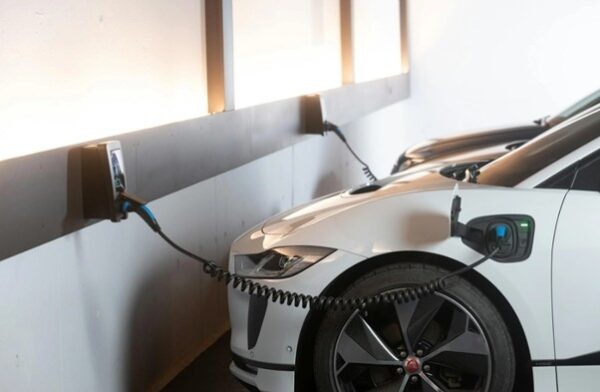
22 kW chargers are fast-paced and offer a unique option compared to standard 4 kW-7 kW chargers. To make charging accessible and easier, many homeowners consider installing an EV charger at home. An efficient charger like a 22 kW installed in the home and available at all times sounds good in theory, but that does not mean that it is the right solution for every property or vehicle.
Homeowners looking for EV charger installation solutions in Bristol should first understand the technical nuances, property requirements and projected costs of this EV charger option before choosing it. A high-yielding EV charger requires a higher level of investment, including the one-time charges as well as the ongoing expenses.
How does a 22 kW EV charger work?
A 22kW EV charger is considered a high-power charging solution compared with typical residential chargers. If the vehicles are compatible with it, it can provide faster charging in less time.
To meet the full potential of a 22 kW charging capacity and speed, it requires:
- Availability of three-phase electricity
- Upgrading the property to the consumer unit
- Must install additional safety protection devices
- Coordination with the local electricity network operator
- Consultation with the EV charger installation provider to confirm whether a property can support this type of charger
Electrical requirements for high-power chargers
One of the most important factors to consider before installing a 22kW charger is the electrical infrastructure of the home. Most UK residential properties operate on a single-phase power supply, which is not capable of supporting high charging speeds.
However, installing a 22kW charger requires a three-phase electricity supply, which is the core of a high charging speed. So to achieve that, you might need to update your regular electricity unit to a consumer unit. Several other upgrades may also be required, so it is recommended to discuss this early with your local electricity network operator to avoid any obstruction during the process later.
Property layout and charger placement
The layout of a property also plays an important role in determining whether a high-power charger is practical. Installers need to evaluate the distance between the consumer unit and the charging location and the position of the parking space before approving the installation
In many cases, installation of a 22kW charger in a home layout requires additional labour and materials, as opposed to if it were installed in an office layout or a more spacious building.
Cost considerations for 22 kW charger installation
Another key factor homeowners should evaluate is the overall cost of installing a high-power charging system. Installation expense is only the first step to plan for, but it’s not the last one. Further costs include maintenance expenses, regular inspections, and monthly billing.
To provide a general cost overview, installation and hardware can be £1,300 and £3,500+, depending on the specific details of your property. Homeowners who want a better understanding of potential costs should review the 22kW EV charger installation guide in detail to see how different installation factors can affect pricing.
Compare installation options before making a decision
Finally, before choosing a charger type, it is helpful to review multiple installation options, consult with experienced electricians, or EV charger specialists. It is better to take longer to plan and prepare for the installation than to face any major problem during it, which puts your investment at risk.
Among your installation options, compare how compatible their chargers are with the vehicle, installation timeline, extent of provided warranty and how much labour and equipment are covered by the provider in the package. To make the process easier and hassle-free, ComparedExperts can compare the top EV charger installers in your area for you and prepare a detailed report so you can choose the best option within your budget.