Iron deficiency anemia in women: Causes, symptoms, and treatments
Iron deficiency anemia is the world’s most common nutritional problem among women. It is often slow to develop, and many women don’t know they have it until they start to experience iron deficiency symptoms that affect their day-to-day life. For example, “normal tiredness,” fatigue, weakness, and lack of focus can often be caused by low iron levels.
Understanding this condition is important because iron plays a vital role in keeping the body healthy, energetic, and functioning properly.
What is Iron deficiency anaemia?
Iron deficiency anemia is a condition in which the body doesn’t have enough iron to make hemoglobin. Hemoglobin is a protein in red blood cells that transports oxygen throughout the body.
When iron runs out, the body can’t make enough healthy red blood cells. This results in a decreased oxygen supply to tissues, leading to tiredness, weakness, and other symptoms.
Simply put, less iron means less oxygen delivery — and that affects your whole body.
Why Women Are More Vulnerable
Women are biologically and lifestyle-wise more susceptible to iron deficiency anemia for various reasons.
One of the chief reasons is loss of blood during menstruation. Women during their periods lose blood every month and this reduces iron levels in the body. And for some women with heavy periods, the risk is even higher.
Pregnancy is another factor. During pregnancy, your body requires additional iron to help you and your growing baby. Iron stores can be quickly depleted if you don’t get enough iron from your diet.
Diet also has a role. Many women don’t get enough iron-rich foods in their diet, especially those on restrictive diets or skipping balanced meals.
Iron Deficiency Symptoms in Women
Iron deficiency anemia usually develops slowly, so the symptoms may be mild at first and get worse over time.
Some of the most common signs are:
- Constant tiredness or low energy
- Pale or dull skin
- Often feeling dizzy or light-headed
- Shortness of breath with usual activities
- Headaches or problems concentrating
- Brittle nails & thinning hair
- Feeling colder more often
These symptoms can be easily confused with stress or lack of sleep, which is why the condition goes undiagnosed in the early stages.
Iron deficiency causes
There are many reasons why the body’s iron levels might drop:
- Insufficient dietary iron
- Poor absorption of iron from the digestive tract
- Heavy menstrual periods
- Pregnancy & Lactation
- Some GI disorders that affect the absorption of nutrients
Sometimes it’s not just the intake but the body’s ability to absorb and utilize the iron as well.
What Iron Does in the Body
Iron is not just another mineral. It is essential for life.
It helps to:
- Transport of oxygen throughout the body
- Supporting energy production
- Keeping a healthy brain
- Strengthening the immune system
Without enough iron, the body can’t even work efficiently at the most basic level.
The Important Link: Iron and Vitamin C
One important fact that is often not mentioned is that not all iron is absorbed equally by the body.
Plant-based iron sources, like spinach, lentils and beans, don’t absorb all that well on their own. But the absorption of iron is greatly improved if vitamin C is in the same meal.
Vitamin C helps change iron into a form that the body can absorb more easily. This also helps to reduce the effect of substances in food that inhibit iron absorption.
Therefore, you should combine iron-rich foods with foods high in vitamin C.
For example:
- Lemon juice in spinach
- Oranges with lentils or beans
- Pairing bell peppers with iron-rich veggies
How Supplementation Can Help
While improving diet is important, some women may still struggle to meet their daily iron needs through food alone — especially during pregnancy, heavy menstrual cycles, or periods of increased nutritional demand.
This is where quality supplementation can help support healthy iron levels more effectively.
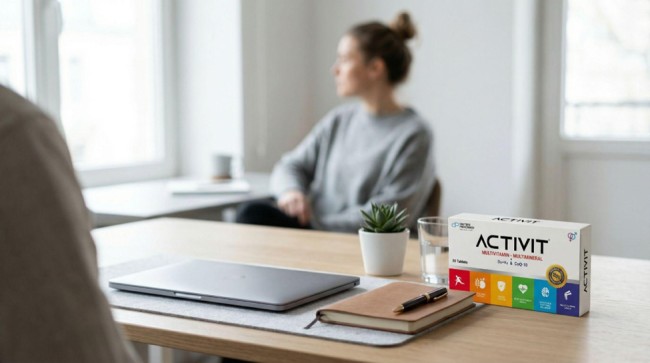
Modern supplement formulations like ACTIVIT use Ferrous Bisglycinate, a gentle and highly absorbable form of iron that is easier to absorb and gentler on the stomach compared to traditional iron salts.
ACTIVIT combines Iron with Liposomal Vitamin C to help enhance iron absorption and support better iron utilization in the body. Together, these nutrients may help support energy levels, reduce fatigue, and contribute to maintaining healthy hemoglobin levels as part of a balanced lifestyle.
Besides providing iron and vitamin C, ACTIVIT also provides other essential nutrients to support your overall health.
Where to Get Iron and Vitamin C From Food
Prevention of iron deficiency anemia is based on a balanced diet.
Iron-rich foods are:
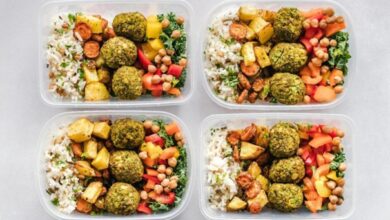
- Red meat and liver
- Lentils and chickpeas
- Spinach and other leafy greens
- Enriched cereals
- Beans and legumes
Fruits high in vitamin C include:
- Oranges and lemons
- Strawberries
- Guava and kiwi
- Tomatoes
Prevention and Treatment
Iron deficiency anemia can often be prevented and treated with simple lifestyle changes.
Some of the important steps are:
- Having a good diet with plenty of iron
- Pair iron-rich foods with vitamin C sources
- Avoid tea or coffee immediately after meals, as they inhibit iron absorption
- Iron supplements should only be taken on the advice of a doctor
- Regular checkups, particularly for women with heavy periods or in pregnancy
Final Thoughts
Iron deficiency anemia is common among women and is easily treatable if identified early. It is often a silent condition, but the effects on energy, focus, and overall health can be significant.
But with the right diet, awareness and timely treatment, women can replenish their iron stores and enjoy better health in the long run.