How Dust Damages Phones in Harsh Conditions
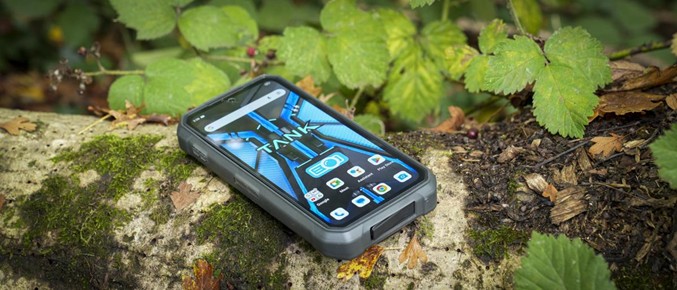
Dust looks harmless, but it slowly damages smartphones from the outside and inside. Fine particles enter charging ports, speakers, microphones, and button gaps. Over time, this buildup affects charging speed, sound quality, and heat control.
Outdoor workers face higher risks daily. Construction sites, farms, warehouses, and dry roads expose phones to constant particles. Many users notice problems only after permanent wear appears. A sealed body and regular cleaning reduce these risks. Devices like an IP68 phone help reduce exposure because they are designed for limited dust resistance under controlled conditions.
Why Dust Causes Internal Damage
Dust blocks airflow and traps heat inside the phone. Small particles also create friction around moving components.
How dust damages phones
Fine particles settle around charging pins, speaker mesh, and cooling surfaces. Heat increases when vents and internal gaps collect debris. Batteries perform poorly under constant heat stress.
Dust also scratches camera lenses over time. Some particles contain minerals that wear protective coatings during daily movement inside pockets or bags.
Hidden Risks
Dust damage often develops slowly. Users may ignore early signs because the phone still works normally.
Common warning signs include:
- Slow or unstable charging
- Low speaker volume
- Heating during simple tasks
- Sticky buttons
- Blurry camera images
These problems usually worsen without cleaning or protection.
Which Phone Parts Suffer Most
Charging ports usually fail first because they remain exposed during outdoor use. Dust compresses inside the port and blocks cable contact.
Speakers and microphones also collect particles quickly. Sound becomes muffled because debris blocks the small mesh openings. In some cases, vibration motors become weaker after long exposure.
Camera modules face another problem. Fine dust can settle near lens edges and reduce image clarity. Repeated wiping with dirty cloths creates micro scratches.
Phones used near sand, cement dust, or dry soil face faster wear. These particles are rougher than normal household dust.
Can Dust Overheat Your Phone?
Yes. Dust increases heat retention and reduces cooling efficiency.
Modern phones generate heat during gaming, recording, navigation, and charging. Dust buildup traps that heat inside the body. Higher temperatures shorten battery lifespan and may reduce processor performance.
Some rugged devices reduce exposure with sealed frames and reinforced body designs. Phones such as the Tank 4 Pro target outdoor users who need stronger protection in rough conditions. However, no phone stays completely immune without maintenance.
This issue becomes worse inside vehicles, factories, or direct sunlight. Heat and dust together create long-term stress for internal circuits.
How To Reduce Dust Exposure
Prevention works better than repair. Small habits protect phones from expensive internal damage.
Daily Care
Keep your phone inside a closed pocket or pouch during outdoor work. Avoid placing it directly on dusty surfaces.
Use a soft brush or clean air blower weekly. Never push sharp objects into charging ports because they can damage connector pins.
Storage Tips
Follow these steps to reduce buildup:
- Store phones away from loose sand or cement dust.
- Clean pockets and bags regularly.
- Avoid charging in dusty areas.
- Wipe the device with a microfiber cloth.
- Keep port covers closed when available.
Simple maintenance reduces long-term wear significantly.
Do Rugged Phones Handle Dust Better?
Rugged phones generally provide better sealing against dust entry. They are designed for fieldwork, travel, and industrial environments.
IP ratings describe resistance levels under controlled testing conditions. Higher ratings usually indicate stronger protection against particles and water. Still, damage remains possible after drops, worn seals, or poor maintenance.
Users working outdoors daily often benefit from reinforced frames and tighter port protection. These designs help reduce speaker blockage and charging issues over time.
Regular cleaning still matters. Dust slowly accumulates even on protected devices.
Conclusion
Dust exposure creates slow but serious smartphone damage. Charging ports fail, speakers weaken, cameras lose clarity, and batteries overheat. Most problems develop gradually, which makes them harder to notice early.
Users working outdoors should focus on prevention instead of repairs. Clean storage, careful charging habits, and sealed device designs reduce long-term wear. Rugged models also help in rough environments, especially during construction, farming, or travel.
Understanding how dust damages phones helps users protect performance and extend device lifespan. Small maintenance habits make a major difference over time. Choose protective accessories carefully, clean devices regularly, and avoid exposing phones to unnecessary debris whenever possible.