Knee Wraps vs. Knee Sleeves — Which One Belongs in Your Lifting Bag
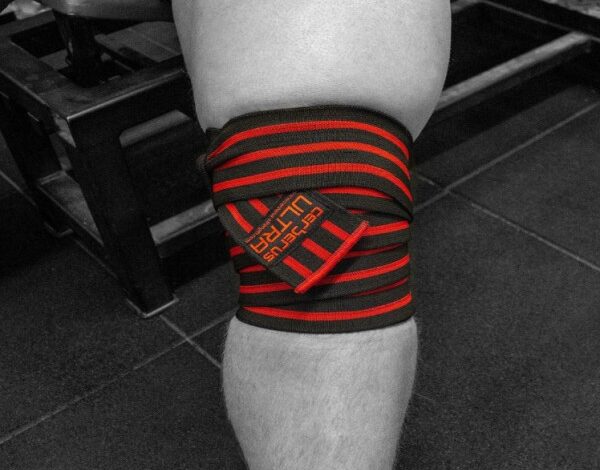
Knee support is one of those gear decisions that seems straightforward but has a real impact on joint health and lifting performance. Knee wraps and knee sleeves are both common in weight rooms, yet they serve entirely different purposes. Knowing which one fits a given training context helps lifters protect their joints and train smarter over time. The right choice depends on load intensity, training frequency, and the specific needs of the knees on any given day.
What Sets Them Apart
Knee sleeves are constructed from neoprene and worn over the knee to deliver consistent compression and warmth throughout a session. That warmth improves circulation, reduces joint discomfort under moderate loading, and helps maintain stable patellar tracking without interfering with natural movement. Most lifters reach for sleeves on squat days, deadlift sessions, and accessory work alike.
Knee wraps are elastic strips wound firmly around the joint before a heavy attempt. The tension stores elastic energy at the bottom of a squat and releases it during the ascent, giving the lifter a mechanical advantage out of the hole. For athletes training at or near maximum loads, quality weightlifting knee wraps can add meaningful weight to a squat total by reducing quadriceps demand during the upward drive. How much assistance is generated depends directly on how tightly the wrap is applied.
When to Use Each Option
Sleeves Suit Daily Training
Knee sleeves hold up well across most training sessions because they do not alter movement mechanics. Technique stays consistent, and the compression aids patellar tracking while keeping the joint warm between sets. Many lifters wear them through an entire session without needing to remove them at all.
Wraps Belong to Heavy Days
Wraps are best reserved for near-maximal or maximal efforts. Using them too frequently can create a dependency, since the elastic rebound masks weaknesses in quad strength and positional control. Most coaches recommend limiting wrap use to competition prep or genuine peak-intensity training blocks.
The Performance Difference
The rebound effect from a properly tensioned wrap is measurable and well-documented in competitive powerlifting. Data from the sport consistently shows that wraps can increase squat output by five to ten percent compared to bare-knee or sleeved lifting. That makes them a deliberate performance tool, not a routine accessory.
Sleeves produce no rebound. Their value sits in proprioceptive feedback and joint support, both of which contribute to safer lifting across higher training volumes. That distinction matters when deciding which piece of equipment earns space in the bag.
Fit and Feel Matter
Getting Sleeve Sizing Right
A sleeve that fits too loosely delivers almost no compression benefit. One that fits too tightly restricts circulation and creates discomfort mid-set. Most manufacturers provide sizing charts based on knee circumference. Going slightly tighter than the measurement suggests is usually the better call for compression purposes.
Wrapping Technique Affects Everything
Wrap tension and direction both shape the outcome of a heavy squat. Inconsistent wrapping leads to inconsistent results, which is why many lifters have a training partner handle the process. A spiral pattern that starts at the mid-patella and works outward is a widely used and reliable method.
Who Should Use What
Recreational lifters and those training five or more days per week benefit most from sleeves. The joint protection they provide without any mechanical interference makes them practical across long training blocks without any drawbacks.
Competitive strength athletes peaking for a meet benefit from incorporating wraps into their preparation cycle. Squatting in wraps feels noticeably different from raw or sleeved lifting, and adapting to that takes deliberate practice over several sessions.
Some lifters use both, relying on sleeves for volume work and transitioning to wraps during peak weeks when loads climb toward competition intensity.
Conclusion
Knee wraps and knee sleeves each fill a specific role, and treating them as interchangeable leads to missed opportunities on both ends. Sleeves support joint health and training consistency across a full season of work. Wraps amplify output during maximum-effort attempts where mechanical advantage makes a real difference. A thoughtful lifter keeps neither in the bag and chooses based on what the session calls for, not habit.