Beyond the Big Signings: The Saudi Pro League’s Ultimate Test of Sustainability
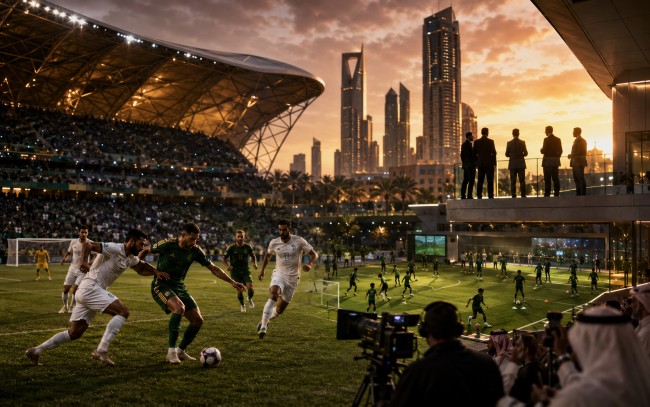
When the visionary Saudi Pro League transformation strategy was launched in early 2023, the global football landscape braced for impact. Few, however, could have anticipated the sheer velocity and magnitude of the change. In a matter of transfer windows, a league once viewed through a regional lens suddenly became the epicenter of football conversations worldwide. Fast forward to today, and the initial shock factor has faded into a different reality. The defining question for the league has fundamentally shifted from “Can they attract world-class talent?” to an entirely different dilemma: “Can they build an ecosystem that lasts?”
At a recent press conference, Omar Mugharbel, the CEO of the league, introduced the second phase of the Player Acquisition Centre of Excellence (PACE) program. His briefing signaled a pivotal transition. The era of pure disruption, massive recruitment drives, and grabbing global headlines is evolving. Now, the focus is turning toward collective growth, financial equity, and long-term organizational health.
Setting a New Benchmark for Growth
The numbers underlying this football evolution are remarkably stark. Since the overhaul began, the competition has witnessed a 221 percent increase in its overall market value. This commercial surge is not merely superficial; central commercial revenues have jumped by 115 percent, while total commercial revenues skyrocketed by an astonishing 353 percent.
Furthermore, the league’s official competitive index crept upward from 71 to 75. This means matches have become less predictable, tactical battles have intensified, and the gap between the traditional powerhouses and the rest of the field is narrowing. This competitive tension is evident in the current standings, where the title race remains incredibly tight, keeping fans and broadcasters thoroughly engaged.
However, as Mugharbel emphasized, maintaining this trajectory requires the Saudi Pro League to grow alongside its star assets. The goal is to polish the competition until it functions seamlessly as both an elite sporting arena and a premier global entertainment product.
The Five Pillars of the PACE Program’s Second Phase
To transform this momentum into a truly permanent football economy, the next chapter of the PACE program relies on five fundamental principles designed to reshape operations across all 18 member clubs:
- Strengthening League Standing: Elevating administrative, operational, and coaching standards to match elite global benchmarks.
- Increasing International Visibility: Expanding broadcasting networks and digital outreach to capture new fanbases across different continents.
- Expanding Investment Opportunities: Attracting private capital, corporate sponsorships, and stadium infrastructure developments.
- Improving Overall Competitiveness: Helping smaller clubs optimize their rosters and training environments to challenge the top-tier sides.
- Creating a Clear Distribution Mechanism: Developing an objective system to allocate central financial resources.
A Data-Driven Approach to Financial Equity
The most heavily discussed aspect of this new strategy is how financial resources will be distributed among the clubs. In the past, football leagues have struggled with wealth disparities that ruin competitive balance. To avoid this trap, the new framework introduces a highly transparent, data-driven revenue distribution model based on specific criteria measured over a rolling three-season period:
- Participation (22%): Distributed equally among all top-flight teams simply for competing in the division.
- League Position (22%): Tied directly to a club’s average finishing position over the past three seasons, rewarding consistent on-field success.
- Television Viewership (28%): Allocated based on domestic and international broadcast ratings, acknowledging the clubs that draw the largest audiences.
- Commercial Performance (28%): Linked directly to a club’s ability to generate independent sponsorship, merchandise sales, and matchday income.
This formula aims for total transparency, ensuring every club understands exactly where it stands and why, eliminating ambiguity and fostering healthy off-field competition.
Balancing Superstar Power with Club Independence
Despite these structured frameworks, navigating the realities of modern football commercialism remains complex. The presence of global icons like Cristiano Ronaldo inevitably creates an imbalance; his club, Al-Nassr, naturally dominates global television viewership and shirt sales. This reality sparks debate over whether a perfectly balanced commercial ecosystem is truly achievable.
League leadership maintains that while the distribution rules are clear, individual clubs bear ultimate responsibility for their own commercial growth. The governing body does not dictate which players a team signs, nor does it interfere in day-to-day budget management. Some clubs naturally possess larger legacies or bigger fanbases, and the strategy is designed to incentivize clubs to capitalize on their unique strengths rather than forcing artificial equality.
In the End
The real test for Saudi football is no longer about proving it can command the world’s attention. That milestone has been achieved. The ultimate challenge lies in converting temporary global fascination into a self-sustaining sports economy. As legendary figures edge closer to retirement and global football economics continue to shift, the execution of this new PACE phase will dictate the future. True success will not be measured by the next marquee signing, but by the structural stability left behind for generations to come.