What to Renovate First in an Old House?
Renovating an old house can be both exciting and overwhelming, especially when you’re unsure where to begin. Many homeowners make the mistake of jumping straight into cosmetic upgrades, only to face costly repairs later. A well-planned renovation sequence ensures your investment is protected while improving both safety and long-term value. Understanding what to prioritize first can save time, money, and unnecessary stress.
Start with Structural Integrity and Safety
Before thinking about design or finishes, it is essential to assess the structural condition of the property. This step forms the foundation of any successful renovation, because without a stable structure, even the most beautiful upgrades can quickly become damaged or unsafe. Focusing on the “bones” of the house first helps you avoid expensive surprises later in the process. When evaluating structural integrity, pay close attention to the key elements that keep the house standing and protected:
- Foundation – look for cracks, uneven floors, or signs of subsidence
- Load-bearing walls – ensure there are no structural weaknesses or hidden damage
- Roof condition – check for leaks, sagging, or missing materials that could lead to water damage
Problems such as cracks, dampness, or structural movement tend to worsen over time if ignored. Addressing them early not only protects your investment but also prevents repair costs from escalating as the renovation progresses.
It is equally important to consider systems that are less visible but just as critical for safety. Electrical wiring and plumbing in older homes are often outdated and may not meet modern standards, increasing the risk of hazards such as fires or leaks. Upgrading these systems at the beginning ensures:
- safer day-to-day living conditions
- compliance with current regulations
- fewer disruptions later when walls and floors are already finished
By prioritizing structural integrity and safety first, you create a solid, dependable base for every other stage of the renovation. This approach makes the entire process smoother, more efficient, and far more cost-effective in the long run.
Upgrade Essential Systems Before Cosmetic Work
Once structural issues are resolved, the next step is upgrading essential systems that affect daily comfort and energy efficiency. Heating systems, insulation, and windows should be prioritized to improve the home’s performance and reduce ongoing utility costs. Investing in these upgrades early prevents the need to undo finished surfaces later, which can be both time-consuming and expensive.
Improving insulation and installing energy-efficient windows can significantly enhance indoor comfort, especially in older properties that tend to lose heat quickly. These upgrades also contribute to long-term savings and can increase the property’s overall value. By tackling these systems before aesthetic changes, you create a more efficient and future-proof living environment.
Focus on High-Traffic Areas Like Stairs and Flooring
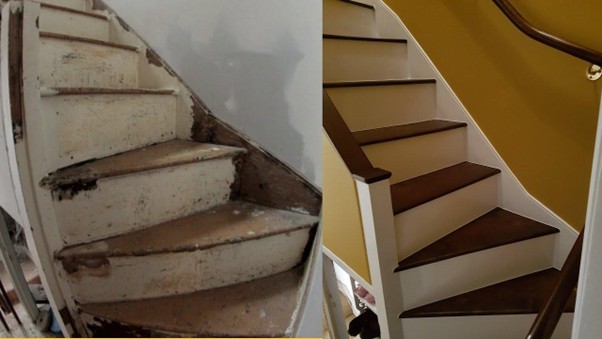
High-traffic areas experience the most wear and tear, making them a practical next step in the renovation process. Stairs, hallways, and main living areas should be carefully evaluated, as they play a crucial role in both safety and daily functionality. Damaged or unstable stairs can present a serious risk, particularly in older homes where materials may have deteriorated over time.
Restoring these features not only improves safety but also enhances the visual appeal of the property. For example, professional stairs restoration can bring worn wooden staircases back to life, preserving original character while ensuring durability. Flooring should also be addressed at this stage, as it sets the foundation for the overall interior look and feel.
Renovate Kitchens and Bathrooms Strategically
Kitchens and bathrooms are often seen as the most important spaces in a home, but they should not be the starting point of a renovation. These areas rely heavily on plumbing, electrical systems, and structural layouts, all of which should already be updated before work begins. Starting too early can lead to rework and additional costs if underlying issues are discovered later.
Planning is key when renovating these spaces, as layout decisions impact both functionality and long-term usability. Carefully selecting materials, fixtures, and finishes ensures that the final result is both practical and visually appealing. When approached at the right stage, these renovations can deliver strong returns on investment while enhancing everyday living.
Planning the Right Renovation Sequence for Lasting Results
A successful renovation is not just about what you improve, but when you choose to do it. Following a logical order starting with structure, moving to essential systems, and finishing with design helps avoid unnecessary complications and expenses. Each phase builds on the previous one, creating a solid and efficient workflow.
Taking the time to plan properly and consult experienced professionals can make a significant difference in the final outcome. Old houses often come with hidden challenges, but a strategic approach ensures they are addressed effectively. By prioritizing the right elements from the start, you create a home that is not only beautiful but also safe, functional, and built to last.