Why Testing for Hidden Hazards Is Crucial Before Renovations
Planning a home remodel and worried about hidden hazards like old paint or mold? Many older houses contain asbestos or lead, and these can harm your health. This post will show how simple testing can find problems early, protect your family, and save you money.
Read on to learn what to test and when.
Common Hidden Hazards Found During Renovations
Renovation projects can hide risks you cannot see right away. Before any work begins, it pays to know what dangers might be lurking in the walls or under old floors—your health and safety depend on it.
Asbestos in Building Materials
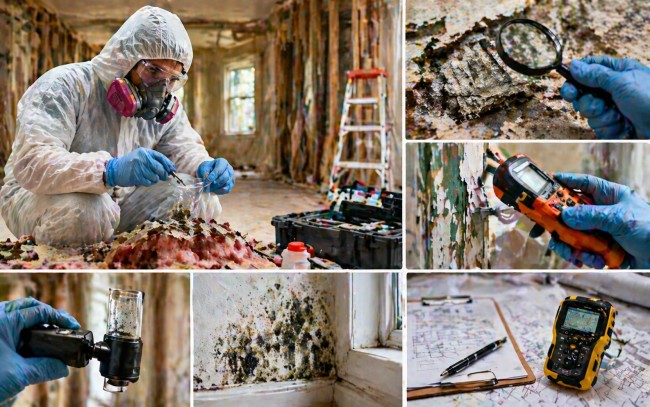
Asbestos hides in old insulation, floor tiles, and pipe wrap. It can release tiny fibers when workers cut or sand materials. Exposure can cause lung disease and cancer. Testing before renovations protects health, safety, and liability.
Professional inspection uses air tests and material sampling. Licensed labs analyze samples and send clear results. Local rules may force removal by trained crews for safety and compliance. Homeowners avoid fines, work stoppage, and costly cleanup by testing first.
Lead Paint in Older Homes
Lead paint is a big issue in older homes. Many houses built before 1978 used lead-based paint. This type of paint can break down over time and create dust that spreads in the air. Breathing in this dust or swallowing it can cause serious health problems, especially for young kids and pregnant women.
Testing for lead is really important before starting any renovation work. A simple inspection can find out if your home has lead paint. If it does, you may need special help to remove it safely.
Not handling it right could lead to fines or legal issues too; keeping your family safe should always come first. Lead exposure can harm brain development in children.
Mold and Moisture Issues
Mold and moisture problems often hide in homes. These issues can worsen during renovations. Mold grows when there is too much moisture. It can lead to health issues, like allergies or breathing problems.
A damp basement might be a sign of trouble. Water leaks from pipes or roofs can cause mold too. Testing for these issues helps keep everyone safe. A clean environment reduces risks for families and workers during renovation projects. It’s essential to conduct thorough testing for hidden renovation hazards to ensure a safe remodeling environment.
Soil Contamination and Industrial Residue
Soil contamination can be a hidden danger. It happens when harmful substances mix with the dirt. This can come from things like old factories or landfills nearby. These places often leave behind toxic waste, which can seep into the soil.
Renovating on contaminated land poses big risks for health and safety. Harmful chemicals may enter your home during work, affecting air quality and making it unsafe to breathe. Testing for soil contamination is crucial before starting renovation projects to ensure your property is safe for you and your family.
Poor Indoor Air Quality
Poor indoor air quality can pose serious health risks. Dust, mold spores, and chemicals can float in the air. These pollutants often come from old building materials or furniture. Renovations can stir up these harmful particles too. People with allergies or asthma may feel worse when exposed to dirty air.
Testing for indoor air quality is vital before starting renovations. High levels of toxins can lead to headaches, fatigue, or respiratory problems. Knowing your home’s air condition allows you to take action early.
Keeping your home safe should always be a top priority during any renovation project; good air quality helps everyone breathe easier and stay healthy.
Importance of Testing for Hazards Before Renovations
Testing for hidden hazards before renovations is key for safety. It helps protect your health and keeps you in line with laws and rules.
Protecting Health and Safety
Hidden hazards can harm your health and safety. Asbestos in old walls or lead paint in homes can cause serious illness. Mold grows in damp areas, leading to breathing problems. Poor indoor air quality may trigger allergies and other issues.
Testing for these dangers before renovations is key. It helps you avoid risks that could affect you and your family. Keeping everyone safe should be a top priority during any project at home. Regular inspections help spot these issues early, keeping the environment healthy as you renovate.
Compliance with Legal and Environmental Regulations
Testing for hidden hazards is key to following legal and environmental rules. Many areas have laws about dangerous materials like asbestos and lead. Building owners must test their properties to stay safe and avoid fines.
Environmental regulations help protect our planet. If renovations stir up harmful substances, it can hurt the environment and people’s health. Compliance means checking for risks before starting a project. This keeps everyone safe while also respecting the law.
Preventing Unexpected Project Delays
Hidden hazards can cause major problems in renovations. Problems like asbestos or mold may not show up until you start work. This can slow down your project and lead to extra costs.
Finding these issues early helps keep projects on track. Testing for hazards means fewer surprises later on. You won’t face delays that come from fixing unsafe materials or cleaning up contaminated areas. Staying safe is key, and it also saves time and money in the end.
When to Call a Professional for Hazard Testing
You should call a pro if you see signs of hidden hazards in your home, like peeling paint or strange smells. Getting expert help ensures accurate testing and keeps everyone safe during renovations.
Signs of Potential Hazards in Your Property
Renovating your home can be exciting. Yet, it comes with risks. Signs of hidden hazards may show up in different ways.
- Cracks in walls or ceilings can signal structural issues. These cracks may hide deeper problems that need attention.
- A musty smell often indicates mold. Mold grows in damp places and can harm your health.
- Peeling paint is common in older homes. This could mean lead paint, which is unsafe, especially for kids.
- Stains on floors or ceilings suggest water damage. Water can create mold and weaken structures. Homeowners should consider professional mold inspection and testing to ensure their living spaces are safe before beginning any renovation work.
- Dust and dirt around windows might hint at lead exposure. Old dust can carry small particles that are harmful.
- A strange odor from appliances or vents may indicate poor indoor air quality. Bad air can cause health problems over time.
- Uneven floors could mean a problem with the foundation. An unstable foundation increases safety risks during renovations.
- Pests like rodents or insects are signs of bigger issues. They often thrive in spaces with moisture or decay.
These signals help you spot potential hazards before starting any renovations. Keep an eye out for them to stay safe and compliant with regulations during your renovation project!
Benefits of Professional Testing Services
Professional testing services are key to keeping you safe during renovations. They help find hidden hazards that might be missed in a DIY effort.
- Experts have the right tools and training to spot hazards like asbestos and lead paint. This knowledge is vital for safety.
- They provide accurate results quickly, helping you make informed decisions about your renovation plans.
- Professional testers follow strict regulations to ensure compliance with environmental laws. This keeps your project on the right side of the law.
- Their experience means they can identify risks you may not notice, such as mold or poor air quality.
- Using professionals can save you time and money by preventing costly mistakes down the line.
- Peace of mind comes from knowing trained experts handle potentially hazardous materials safely. You reduce health risks for yourself and others.
- A detailed report gives you clear insight into any issues, making it easier to plan your next steps.
Testing for hidden hazards is an essential part of any renovation process, ensuring both safety and compliance throughout your project.
Conclusion
Testing for hidden hazards is key before renovations. It keeps you safe from harmful materials like asbestos and lead. Finding these issues early stops costly delays later on. Safe homes are happy homes, so make sure to test first! Don’t skip this step; your health matters most.