How Industrial Environments Impact Machine Lifespan
Machines are built to be strong and reliable, but the environments they operate in play a big role in how long they last. In industrial settings, conditions can be harsh. Over time, those conditions can wear machines down faster than expected. Understanding those factors can help businesses take better care of their equipment and avoid costly repairs or replacements.
In many cases, simple protective solutions, like proper seals and covers or even something as seemingly small as custom way wiper products, can help reduce exposure to hazardous elements. While these may seem like minor details, they can make a significant difference in several ways.
Preventing Dust and Debris Buildup
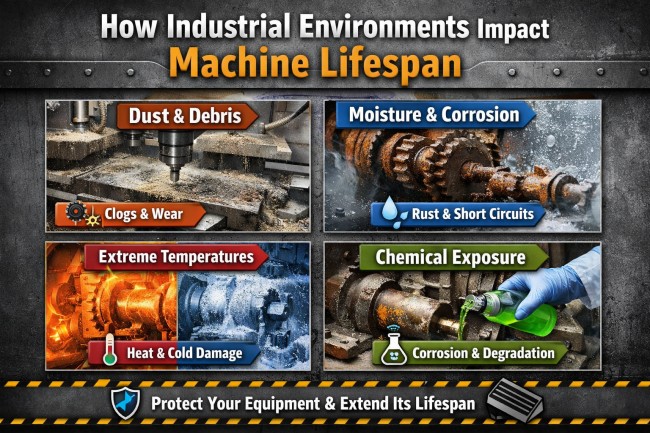
One of the most common challenges in industrial environments is dust and debris buildup. Whether it’s from cutting, grinding, or general production, particles can easily settle into machine components. Over time, this buildup can clog moving parts, increase friction, and lead to overheating.
Fine particles are especially dangerous. They can slip into small openings and damage internal systems. Without regular cleaning and proper protection from this buildup, machines may lose efficiency and wear out much faster than they would otherwise.
Protecting Against Moisture and Humidity
Water might not seem like a big issue at first, but in industrial settings, it can cause serious problems. High humidity or direct exposure to moisture can lead to rust and corrosion, especially in metal components. Corrosion weakens parts and can eventually cause failures. Electrical systems are also at risk, as moisture can lead to short circuits or other malfunctions. Over time, even small amounts of moisture exposure can reduce a machine’s lifespan.
Helping Prevent Problems From Extreme Temperatures
Industrial environments often involve high heat or very cold conditions. Both extremes can impact how machines perform. Excessive heat can cause components to expand, wear down lubricants, and increase the risk of overheating. On the other hand, extremely cold temperatures can make materials brittle and reduce flexibility, leading to cracks or breaks.
Machines that constantly operate in these conditions may need more frequent maintenance to stay in good working order. They also need added protection against harsh conditions. Measures like way wipers can help mitigate the effects of extreme temperatures as well as the added impacts buildup might have when it’s exposed to them.
Reducing the Risks of Chemical Exposure
In some industries, machines are exposed to chemicals, oils, or other harsh substances. These materials can break down protective coatings, damage seals, and cause components to weaken. Chemical exposure can also speed up corrosion or cause certain materials to degrade faster than normal. Without proper protection, machines that operate in these environments may break down more frequently, and they may not last as long.
Protecting Machinery Against Hazardous Conditions
Industrial environments can be demanding, and machines are constantly exposed to elements that affect how long they last. Dust, moisture, temperature changes, and chemical exposure all play a role how quickly and extensively machines wear out. They can lead to frequent breakdowns, expensive downtime, and costly repairs.
The good news is that many of these effects can be managed with proper care and attention. Regular maintenance, protective measures, and small upgrades can go a long way toward extending machines’ lifespans. By understanding the challenges of the environment their machines are operating in and taking steps to mitigate their effects, businesses can keep their equipment running efficiently for longer.