The Complete Guide to European MDR Compliance for Aesthetic Practices in 2026
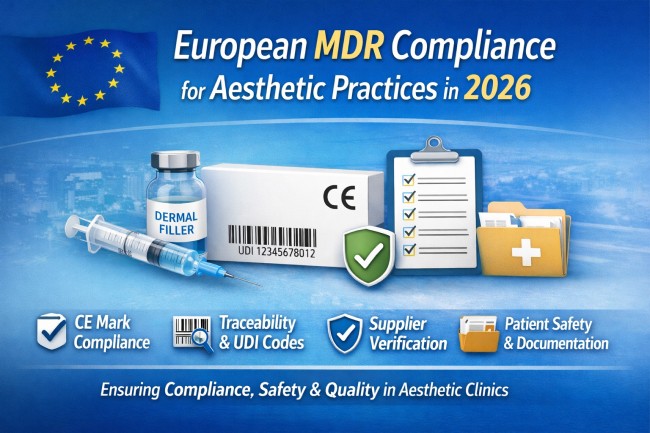
The European Union’s Medical Device Regulation (MDR) has fundamentally transformed how aesthetic practices must approach their supply chains and product sourcing. As we move through 2026, compliance with MDR standards is no longer optional—it’s a critical requirement that directly impacts patient safety, practice liability, and business continuity. For aesthetic practitioners who rely on dermal fillers and other injectable medical devices, understanding MDR compliance has become as essential as mastering injection techniques themselves.
Understanding the MDR Shift: What Changed and Why It Matters
The MDR, which fully replaced the Medical Device Directive (MDD) in May 2021, introduced substantially more rigorous requirements for medical device manufacturers, distributors, and end users. While the MDD focused primarily on conformity assessment, the MDR emphasizes comprehensive documentation, traceability, and post-market surveillance throughout a product’s entire lifecycle.
For aesthetic practices, this means that simply having a CE mark on your dermal filler boxes is no longer sufficient proof of compliance. The CE marking under MDR requires a more stringent conformity assessment process, including clinical evaluation reports, risk management files, and technical documentation that must be maintained and updated throughout the product’s market presence.
The transition has been challenging for the industry. Many manufacturers struggled to meet the new requirements, leading to product shortages and market exits. This made it even more critical for aesthetic practices to work with suppliers who not only stock compliant products but understand the regulatory landscape deeply.
Key MDR Requirements That Impact Aesthetic Practices
Under MDR regulations, aesthetic practitioners have specific responsibilities beyond simply purchasing compliant products. First, practices must maintain detailed records of all medical devices used, including batch numbers, expiration dates, and patient associations. This traceability requirement means that if a manufacturer issues a field safety notice or recall, your practice must be able to identify exactly which patients received products from affected batches.
Second, the Unique Device Identification (UDI) system became mandatory under MDR. Each medical device must have a UDI that enables tracking throughout the supply chain. Your practice should be recording these UDI codes in patient files and inventory management systems. This level of documentation protects both your patients and your practice in case of adverse events or regulatory audits.
Third, MDR places greater emphasis on clinical evidence. Manufacturers must demonstrate not just that their products are safe, but that they perform as intended in real-world clinical conditions. For aesthetic practitioners, this means the products you use should be backed by robust clinical data, not just marketing claims.
How to Verify Your Supplier’s MDR Compliance
When sourcing dermal fillers and other aesthetic injectables, due diligence on your supplier’s compliance status is essential. Start by requesting documentation that demonstrates their commitment to MDR standards. Reputable wholesalers should readily provide certificates of conformity, declarations of performance, and evidence of their quality management systems.
Check whether your supplier maintains direct relationships with manufacturers or authorized distributors. Grey market products—those obtained through unauthorized distribution channels—pose significant compliance and liability risks. Even if products appear genuine and carry CE marks, purchasing through unauthorized channels can violate MDR requirements and expose your practice to legal consequences.
When sourcing dermal fillers from wholesale suppliers, ensure they meet MDR standards. Established B2B distributors like Bioresus demonstrate their commitment to compliance by working exclusively with manufacturers who hold valid MDR certifications and by maintaining comprehensive documentation for all products in their catalog. This level of transparency should be standard practice across the industry, yet it remains a key differentiator among wholesale suppliers.
Documentation Requirements for Aesthetic Practices
Your practice’s documentation should create a complete audit trail from product receipt to patient administration. At minimum, maintain records of product name and manufacturer, UDI codes, batch and lot numbers, expiration dates, supplier information and invoices, storage conditions and temperature logs, and patient treatment records linking specific product batches to individual patients.
This documentation serves multiple purposes beyond regulatory compliance. In the event of an adverse reaction, comprehensive records enable quick identification of the specific product involved, facilitating appropriate medical response and reporting to authorities. If a manufacturer issues a recall, you can immediately identify affected patients and take appropriate action. During insurance claims or legal proceedings, detailed records demonstrate your practice’s commitment to professional standards and patient safety.
Digital inventory management systems designed for medical practices can automate much of this documentation burden. These systems can scan UDI barcodes, track expiration dates, and link product usage to electronic patient records. The initial investment in such systems typically pays for itself through improved efficiency and reduced compliance risk.
Penalties for Non-Compliance and How to Avoid Them
MDR non-compliance carries serious consequences that extend beyond financial penalties. National competent authorities across the EU have the power to impose fines, suspend or revoke practice licenses, and pursue criminal charges in cases of gross negligence. Perhaps more significantly, non-compliance can void professional liability insurance, leaving practitioners personally exposed to claims.
The reputational damage from a compliance violation can be equally devastating. In an era where patients research practitioners extensively online, any regulatory action becomes public knowledge and can permanently harm a practice’s reputation. Social media amplifies these risks, as negative experiences spread rapidly through patient communities.
Avoiding these penalties requires systematic compliance practices. Conduct regular internal audits of your documentation and storage procedures. Review your supplier relationships annually to ensure continued compliance with current regulations. Stay informed about MDR updates and guidance documents published by competent authorities. Train all staff involved in product handling and patient care on compliance requirements. And establish clear protocols for responding to manufacturer safety notices or regulatory inquiries.
Practical Checklist for Practitioners
Use this checklist to evaluate your current compliance status. Verify that all dermal fillers and injectables in your inventory carry valid MDR-compliant CE marks. Confirm your suppliers can provide current certificates of conformity and manufacturer authorization. Ensure your practice is recording UDI codes for all medical devices used. Review your patient record system to confirm it links specific product batches to individual treatments. Check that your staff understands their roles in maintaining compliance documentation. Assess whether your professional liability insurance covers MDR-compliant practices. Establish a system for monitoring manufacturer safety notices and regulatory updates. And verify that your product storage conditions meet manufacturer specifications and that you’re documenting temperature monitoring.
If any of these areas reveal gaps in your current practices, prioritize addressing them. Compliance is not a one-time achievement but an ongoing commitment that protects your patients, your practice, and your professional reputation.
Looking Forward: The Evolving Regulatory Landscape
MDR compliance requirements will continue to evolve as regulatory authorities gain experience with the new framework. The European Commission and national competent authorities regularly publish guidance documents clarifying specific requirements and expectations. Smart practitioners stay ahead of these changes rather than reacting after the fact.
Looking beyond 2026, we can expect increased scrutiny of supply chains, particularly regarding product authenticity and authorized distribution. The emphasis on traceability will likely intensify, with more sophisticated systems for tracking medical devices from manufacture to patient. Digital health records and blockchain technologies may eventually automate many compliance tasks while providing even greater transparency.
For aesthetic practices, the message is clear: MDR compliance is not a burden to minimize but a standard to embrace. Practices that build compliance into their core operations rather than treating it as an afterthought will find themselves better positioned for success in an increasingly regulated environment. The investment in proper systems, supplier relationships, and documentation practices pays dividends in reduced risk, improved patient safety, and enhanced professional credibility.
By partnering with suppliers who share your commitment to compliance and by maintaining rigorous internal practices, you can navigate the MDR landscape with confidence, knowing that your practice meets the highest standards of safety and professionalism that today’s aesthetic patients expect and deserve.