How Stress Affects Health
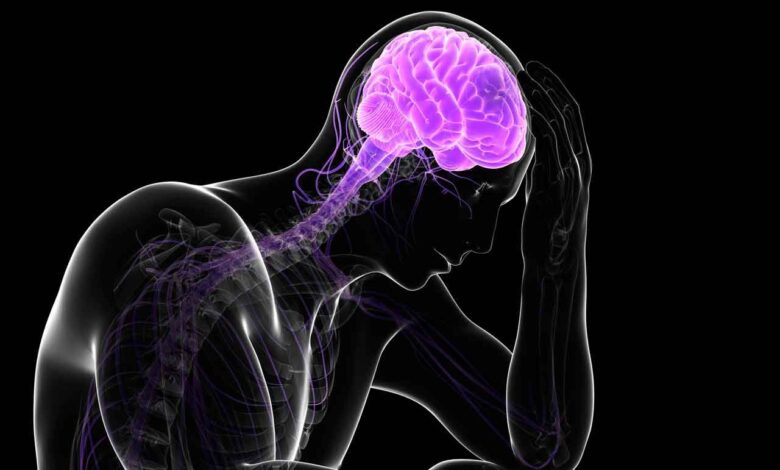
Stress is widespread in modern life due to work, money, relationships, and new technology. Occasional stress is normal, but chronic stress harms physical health, mental well-being, and quality of life. Understanding the effects of stress on health is key to preventing and managing it.
The impact of stress on health extends far beyond brief discomfort, affecting every body system. This guide covers stress physiology, health risks of chronic stress, and evidence-based strategies — including advanced recovery methods — to reduce harm and restore balance.
What Is Stress? A Biological Perspective
Stress is the body’s reaction to perceived danger, an ancient survival mechanism. When the brain senses a threat, it triggers a hormonal chain to ready the body for action. The amygdala sends a distress signal to the hypothalamus, which activates the sympathetic nervous system. Adrenal glands then release adrenaline and noradrenaline — raising heart rate, blood pressure, and breathing, and flooding the body with energy. Cortisol release, also triggered by the hypothalamus, keeps the body alert and suppresses digestion and immunity.
This system works well for immediate threats. Today, most threats are psychological — deadlines, conflicts, and money concerns. Prolonged stress keeps the body on high alert, and the health consequences of stress begin to accumulate.
The Many Faces of Stress: Acute vs. Chronic
Stress takes many forms. Knowing the difference between acute and chronic stress helps signal when to intervene.
Acute stress is brief and fades quickly. It can be positive, like excitement before a presentation, boosting focus and performance; or negative, like braking to avoid an accident. In both cases, the body soon returns to normal.
Chronic stress, however, lasts for weeks, months, or years. The body never rests, leading to sustained high cortisol levels, increased inflammation, and systemic strain. Chronic stress is associated with elevated health risks, including heart disease, digestive disorders, and impaired immune function. Over time, this form of stress undermines health and contributes to the development of disease.
Physical Effects of Stress
The physical effects of stress impact nearly every organ system. Understanding these physiological consequences highlights the need for stress management.
Cardiovascular System
During stress, heart rate rises, and blood vessels constrict to redirect blood to muscles. Chronic stress keeps blood pressure high, damaging arteries and increasing risks for heart attack and stroke. High-stress jobs and ongoing anxiety raise heart disease risk, a major health risk of chronic stress.
Digestive System
The brain and gastrointestinal tract are connected via the gut-brain axis. Stress hormones disrupt gut motility, leading to diarrhea, constipation, or nausea. These hormones also increase gastric acid production, worsening conditions like acid reflux and gastritis. Chronic stress alters gut microbiota and has been associated with Crohn’s disease and irritable bowel syndrome (IBS). These are significant stress and health problems that warrant attention.
Immune Function
While acute stress may temporarily enhance immune function, chronic stress has the opposite effect. Elevated cortisol levels suppress immune responses by reducing lymphocyte production and impairing the body’s defense against pathogens. Consequently, prolonged stress increases susceptibility to illness and delays wound healing, underscoring its detrimental impact on health.
Musculoskeletal System
Stress causes muscle tension. Occasional tension is usually harmless, but chronic stress keeps muscles tight, leading to headaches, migraines, and persistent neck, shoulder, and back pain. Over time, this can lead to serious musculoskeletal problems.
Endocrine System
The endocrine system is vulnerable to stress. Chronic high cortisol disrupts other hormones: it can lower testosterone in men and disrupt menstrual cycles in women. The effects of stress on men include reduced libido, erectile dysfunction, and decreased muscle mass. Stress also raises diabetes risk by impairing insulin control.
How Stress Affects Mental and Emotional Health
The mental health effects of stress are equally as significant as the physical effects. In addition to physical symptoms, chronic stress imposes a substantial psychological burden and can initiate a feedback loop that exacerbates physical issues.
Anxiety and Depression
Long-term stress alters brain structure and chemistry. It can shrink the prefrontal cortex, affecting decision-making, and enlarge the amygdala, heightening threat sensitivity. This imbalance fuels anxiety and depression, eroding resilience and the capacity for joy — profound mental health effects of stress.
Cognitive Function
Stress impairs memory and concentration. Elevated cortisol levels inhibit the formation of new memories and hinder recall, leading to brain fog, forgetfulness, and reduced attention span. Prolonged stress increases the risk of cognitive decline, a significant health consequence.
Sleep Disruption
Stress disrupts sleep by increasing mental restlessness and making it difficult to fall asleep. It also reduces deep and REM sleep. Inadequate sleep elevates cortisol levels, impeding recovery and perpetuating the stress cycle. Sleep disturbances are among the most prevalent stress and health problems.
The Role of Cortisol: The Master Stress Hormone
Cortisol is the primary hormone driving the stress response. Secreted by the adrenal glands, it follows a circadian rhythm, peaking in the morning to promote wakefulness and declining throughout the day to facilitate sleep.
Chronic stress disrupts this rhythm. Cortisol may remain elevated at night, impairing sleep, or become insufficient in the morning, resulting in fatigue. This hormonal dysregulation contributes to stress-related problems like abdominal weight gain, muscle loss, immune suppression, and mood disorders. Managing cortisol is central to reducing the impact of stress on health.
Strategies for Managing Stress and Restoring Balance
The body possesses a remarkable capacity for recovery. Through targeted interventions, stress levels can be reduced, hormonal balance restored, and overall health improved. Understanding the effects of stress on health enables individuals to implement effective strategies.
Lifestyle Foundations
Exercise metabolizes stress hormones, stimulates endorphin release, and enhances sleep quality. Both aerobic and resistance training lower cortisol levels and improve mood, counteracting the physical effects of stress.
Nutrition plays a key role. Diets rich in whole foods, healthy fats, and antioxidants support adrenal function and stabilize blood glucose, helping regulate cortisol. Reducing caffeine and alcohol, which can intensify stress, is also beneficial.
Mindfulness and meditation lower cortisol and reduce anxiety symptoms. Even ten minutes of daily practice can shift the body from fight-or-flight to rest-and-digest mode.
Social connection is essential. Strong support networks buffer stress and enhance coping capacity.
Sleep Optimization
To break the stress-sleep cycle, practice good sleep hygiene:
- maintain a consistent schedule,
- keep the room dark and cool,
- limit screen time before bed,
- and establish a relaxing routine.
Quality sleep is crucial for managing stress and health problems.
Supporting Recovery Through Advanced Approaches
For individuals experiencing significant stress — such as those in high-stress jobs or athletes — lifestyle changes alone may not fully restore balance. Supporting the body’s repair systems becomes crucial.
One of the most critical systems for recovery is the growth hormone axis. Growth hormone, released primarily during deep sleep, plays a key role in tissue repair, muscle growth, and metabolic regulation. However, stress and aging both suppress growth hormone secretion, further compounding its effects on men and women alike.
Emerging research has identified compounds that support the body’s natural production of growth hormone by mimicking ghrelin, a hormone that signals hunger and stimulates pituitary function. These compounds, known as growth hormone secretagogues, have attracted attention for their ability to enhance sleep quality, accelerate recovery, and improve body composition.
For those looking to optimize recovery and combat the physical toll of chronic stress, exploring such options may be a valuable addition to a comprehensive stress management plan. When considering any supplement or compound, quality and source are paramount. In the European market, one trusted source for research compounds and recovery aids — MK-667 for sale from Driada Medical. Take the next step for your health and explore their product designed to support hormonal health and recovery today. As with any intervention, consultation with a healthcare professional is essential to ensure safety and appropriateness for individual circumstances.
Conclusion: Taking Control of Stress
Stress is an unavoidable aspect of life, but its long-term health consequences can be mitigated. Understanding how stress affects health — from cardiovascular health to hormonal regulation — enables individuals to implement effective interventions. While the health risks of chronic stress are significant, they are not inevitable. The foundation of stress management includes lifestyle factors such as exercise, nutrition, sleep, and social connection. For those needing additional support, targeted recovery strategies can provide substantial benefits.
The journey to better health begins with a single step: recognizing that stress matters and committing to strategies that restore balance. Your body and mind will thank you.