Hair Loss Frequently Asked Questions
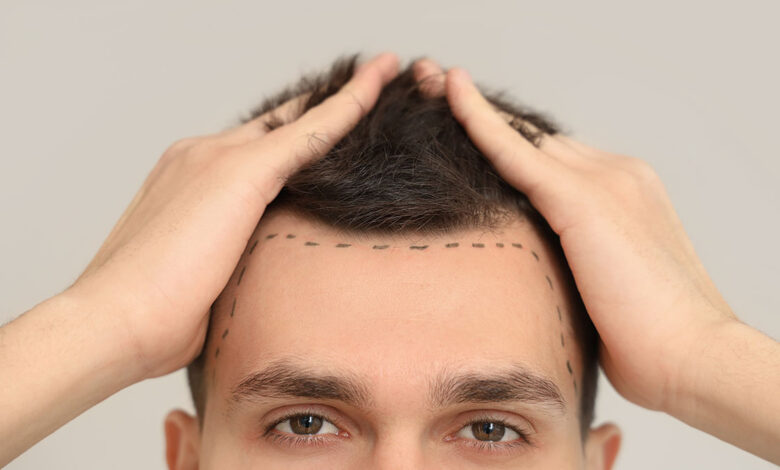
Are you struggling with hair loss? One of the most common beauty concerns, hair loss is easily one of the biggest hits to your confidence regarding your looks. As you observe your hairline, you likely have lots of questions about hair loss and what you can do. This blog answers several frequently asked questions about hair loss, to help you understand what steps you can take next to stop or prevent further hair loss.
What causes hair loss?
There is no “one size fits all” answer as to why hair loss happens. Hair loss can happen due to a variety of factors, which include:
- Genetics: genes can influence when and where on your scalp you may lose hair.
- Gender: men are more likely to experience hair loss, due to higher testosterone levels, compared to women.
- Aging: as we age, scalp health can decrease.
- Health/ medical conditions: certain health conditions can trigger hair shedding and hair loss. For example, autoimmune diseases can cause an overall thinning of the scalp.
- Lifestyle habits: tobacco use inhibits blood flow, which can cause hair shedding and hair loss.
Can certain hairstyles cause hair loss?
Yes, certain hairstyling habits and styles can cause hair breakage and hair loss. Wearing severely tight, slick backed hairstyles affects your follicles, which can cause permanent hair loss in the future.
What is male pattern hair loss?
Hair loss patterns differ for men and women. Men usually experience thinning hair on top of the scalp and along the hair line.
Can women experience hair loss?
Yes, women experience hair loss, despite a common myth that only men experience hair loss. Aging, genetics, medical conditions, medications, etc. can cause female pattern hair loss.
What is female pattern hair loss?
Female pattern hair loss involves an overall thinning of the scalp, and a widening down the middle of the scalp.
Can pregnancy cause hair shedding?
Yes, some women experience hair shedding during pregnancy, while other women deal with hair shedding after pregnancy. Either phenomenon is due to hormonal changes during pregnancy and postpartum.
Is all hair loss permanent?
No, not all hair loss is permanent. Hair loss can be categorized as:
- Temporary: hormone changes, stress, illness, etc.
- Semi-permanent: usually male or female pattern hair loss
- Permanent: follicle destruction resulting from burns, scarring alopecia, severe, consistent hairstyling
What is considered a normal amount of hair shedding?
It’s normal to lose about 100 or so strands a day. What many people don’t know is that each hair follicle goes through the following phases:
- the anagen, or growth, phase
- the catagen, or transition, phase
- the telogen, or resting to shedding, phase
If you have no hair loss issues, then the strands you shed daily are likely from the telogen phase.
What is an effective treatment for hair loss?
To stimulate hair growth, consider Hair Revive Exosome Therapy. Non-invasive and painless, this innovative hair loss treatment can help activate dormant follicles so you experience new hair growth.
How does Exosome Hair Treatment work?
As the name implies, this treatment uses exosomes, or extracellular messengers that act as delivery trucks between cells. Exosomes transport growth factors, which stimulate follicles for hair growth.
Both men and women dealing with hair shedding or hair loss are good candidates for Exosome Therapy for hair loss. Pregnant or nursing women should not receive exosome therapy.
What kinds of hair loss can be treated with Exosome Hair Therapy?
Hair Revive Exosome Therapy can help with these specific hair loss conditions:
- Male pattern baldness: usually stemming from aging and/ or genetics
- Female pattern baldness: usually stemming from aging and/ or genetics
- Hormone related hair loss: hormonal changes, whether from pregnancy, menopause, diabetes, etc.
- Autoimmune related hair loss: autoimmune conditions such as alopecia areata (where the immune system attacks follicles).
- Nutritional deficiencies: poor diet can affect scalp health
These are just a few examples of hair loss types that can be treated with Exosome Therapy.
Any tips for preventing or stopping hair thinning?
Eat a healthy diet, drink a lot of water, avoid smoking, and avoid wearing tight hairstyles. Reduce how often you use heat styling tools. Keep your scalp healthy and clean and stimulate follicles by massaging your scalp. These tips may help with hair loss, while also keeping your scalp and hair healthy.
This article was written by Leah Campbell for Third Loft Marketing.