Why Quality Brake Lines Are Worth Every Penny for Safety and Confidence
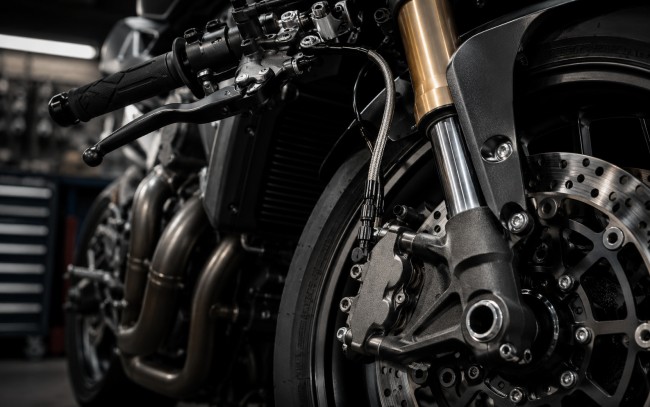
In motorcycle maintenance, there is a category of component where the potential consequences of failure are severe enough that the usual cost-versus-quality calculation simply does not apply in the ordinary way. Braking system components are the clearest example of this. The brake line carries hydraulic pressure from the lever or pedal to the calliper, and if it fails, fails to operate correctly, or degrades in a way that affects its performance, the results can be catastrophic.
This is not a component where the sensible approach is to find the cheapest available option. It is one where quality, reliability and the confidence of knowing the system has been built with properly specified parts are the only considerations that should drive the decision.
The market for motorcycle brake lines ranges widely in quality, from cheap replacements of uncertain provenance to properly manufactured, tested and specified lines from reputable UK suppliers. The differences are real and meaningful. A quality brake line made from the right materials to the right dimensional tolerances, and fitted with correctly manufactured end fittings provides the hydraulic performance that the braking system was designed around.
A substandard line that is marginally undersized, made from materials that expand under pressure or that corrodes faster than expected, compromises the braking performance in ways that may not be immediately obvious but that manifest as a slightly spongy lever feel, inconsistent bite point or reduced stopping performance under repeated heavy use.
For motorcyclists who are serious about the condition and performance of their machines, working with a specialist supplier of quality brake lines from Venhill provides the assurance of properly specified, UK-manufactured hydraulic lines that are designed and tested for motorcycle applications. Venhill has a long-standing reputation in the motorcycle industry for the quality and reliability of their hydraulic products, and for riders who are building, restoring or upgrading their machines, the combination of correct specification and known manufacturing quality makes a genuine difference to both performance and confidence.
There is also a satisfaction in this kind of proper maintenance that goes beyond the purely practical. Riders who know that their machine has been maintained with quality components, that the braking system is performing as it should and that the hydraulic lines are in good condition, ride with a qualitatively different kind of confidence. Not recklessness, but the genuine assurance that comes from knowing the machine is well-prepared. That confidence is part of what makes motorcycling enjoyable rather than anxious.
For those undertaking restoration or modification work on older machines, correct brake line specification is particularly important. Original lines may have aged and stiffened in ways that are not always visually apparent, and replacement lines that are not correctly specified for the original system dimensions can affect braking performance negatively. A specialist supplier who can advise on the correct specification for a given machine, rather than simply supplying a generic replacement, is an invaluable resource.
The legal and insurance dimensions of braking system maintenance are also worth noting. A motorcycle that is not maintained to roadworthy standard creates both personal and third-party liability risk, and brake system condition is one of the first things an assessor will examine following an incident. Using properly specified, quality components from a reputable supplier is part of the documentation trail that demonstrates responsible ownership and maintenance.
For any rider who is serious about their machine and their safety, the braking system is the wrong place to economise. Quality brake lines from a specialist supplier are one of the most straightforward investments available in the long-term performance, safety and reliability of a motorcycle. Getting this right is simply part of maintaining the machine properly.