Why Every Property Owner Should Understand the Importance of an EICR Certificate
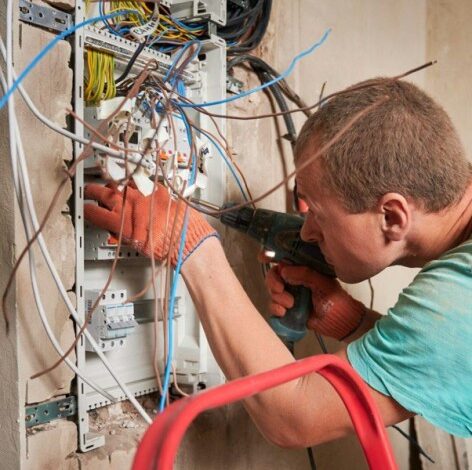
Electrical safety is one of the most important aspects of property ownership, yet it is often overlooked until a fault occurs. Whether you own a rental property, manage a commercial building, or live in your own home, understanding the purpose of an EICR Certificate can help protect occupants, reduce safety risks, and ensure compliance with current electrical standards.
Across London and the wider UK, electrical installations are exposed to daily wear and tear. Cables deteriorate, connections loosen, and electrical systems become outdated. Regular inspection and testing help identify these issues before they develop into serious hazards.
What Is an EICR Certificate and Why Does It Matter?
An EICR Certificate London is the document issued following an inspection of a property’s fixed electrical installation. The inspection itself is formally known as an Electrical Installation Condition Report (EICR) and is carried out by a qualified electrician.
The purpose of an Electrical Installation Condition Report is to determine whether an electrical installation remains safe for continued use. During the assessment, circuits, consumer units, earthing arrangements, wiring systems, and other fixed electrical components are thoroughly examined and tested.
The most important benefit of an EICR is simple: it helps identify potentially dangerous defects before they cause injury, fire, or costly property damage.
As electrical systems age, routine inspections become increasingly important, especially in older London properties where wiring may have been installed decades ago.
Understanding the Difference Between an EICR and an Electrical Safety Certificate
Many property owners use the terms EICR Certificate London and Electrical Safety Certificate interchangeably. While they are closely related, there is a subtle difference.
An Electrical Installation Condition Report is the formal report generated following the inspection and testing process. Once the inspection has been completed and the installation is considered satisfactory, the report serves as evidence of electrical safety.
For landlords, letting agents, and many businesses, this report effectively acts as an Electrical Safety Certificate, demonstrating that the electrical installation has been professionally assessed.
This documentation can be particularly important when dealing with tenants, insurers, property buyers, or compliance requirements.
Why EICR Testing Is Essential for Modern Properties
Electrical systems are rarely static. New appliances, renovations, extensions, and changing occupancy levels all place additional demands on an installation.
This is where EICR Central London Testing becomes valuable.
Professional EICR Testing evaluates whether the existing electrical infrastructure can safely support current usage. The process identifies defects such as:
- Damaged wiring
- Inadequate earthing
- Overloaded circuits
- Faulty protective devices
- Unsafe electrical alterations
- Non-compliant installations
Many electrical problems develop gradually and show few visible signs. A property may appear to function normally while hidden defects continue to worsen behind walls and ceilings.
Identifying these issues early can prevent expensive emergency repairs and significantly reduce fire risks.
Why Landlords Need a Landlord Electrical Safety Certificate
The private rental sector has seen increasing focus on electrical safety over recent years. Landlords have a legal responsibility to provide safe accommodation for tenants, and electrical installations form a key part of that responsibility.
A Landlord Electrical Safety Certificate provides evidence that the electrical installation has been inspected and tested by a competent professional. However, electrical safety should be considered alongside other essential fire and building safety measures, including Fire Door Installation London services, fire alarm systems, emergency lighting, and regular fire risk assessments.
Under the Electrical Safety Standards in the Private Rented Sector (England) Regulations 2020, landlords must ensure electrical installations are inspected and tested at least every five years by a qualified person.
Failure to obtain a valid Landlord Electrical Safety Certificate can lead to enforcement action, financial penalties, and difficulties demonstrating compliance.
More importantly, it helps landlords fulfil their duty of care to tenants while protecting their property investment.
Common Issues Found During an EICR Report
One of the most surprising aspects of an EICR Report is how often significant defects are discovered in properties that appear perfectly functional.
In our experience, some of the most common observations include:
- Ageing consumer units lacking modern protection
- Deteriorated cable insulation
- Poor-quality DIY electrical alterations
- Missing bonding arrangements
- Incorrect circuit protection
- Overloaded socket circuits
Many of these issues remain hidden until formal inspection takes place.
The reality is that electrical safety cannot be accurately judged by visual appearance alone. This is why professional inspection and testing remain an essential part of responsible property management.
When Should You Arrange an Electrical Installation Condition Report?
While inspection intervals vary depending on property type and usage, several situations should trigger consideration of an Electrical Installation Condition Report.
These include:
- Purchasing a property
- Letting a residential property
- Completing major renovation work
- Changing commercial occupancy
- Experiencing recurring electrical faults
- Preparing for property sale
- Meeting insurance requirements
A proactive approach to electrical safety almost always proves more cost-effective than reacting to unexpected failures.
Electrical Safety Is an Investment, Not an Expense
Many property owners initially view an EICR Certificate as a compliance requirement. In reality, it is one of the most effective preventative maintenance tools available.
The cost of identifying a fault during routine EICR Testing is typically far lower than dealing with the consequences of electrical fires, system failures, business interruption, or emergency repairs.
For landlords, homeowners, property managers, and commercial building operators, regular inspections provide reassurance that electrical systems remain safe, compliant, and fit for purpose.
Frequently Asked Questions
What is an EICR Certificate?
An EICR Certificate is the documentation issued following an inspection of a property’s electrical installation, confirming its condition and identifying any defects.
What does an Electrical Installation Condition Report include?
An Electrical Installation Condition Report includes inspection findings, test results, observations, and recommendations regarding the safety of the electrical installation.
Is an Electrical Safety Certificate required for landlords?
Yes. Landlords are required to obtain evidence of electrical safety through periodic inspection and testing of rented properties.
How often is EICR Testing required?
For most private rented properties in England, EICR Testing must be completed at least every five years.
Why is a Landlord Electrical Safety Certificate important?
A Landlord Electrical Safety Certificate demonstrates compliance with electrical safety regulations while helping protect tenants and property assets.
Conclusion
An EICR Certificate provides far more than a compliance document. It offers valuable insight into the condition of a property’s electrical installation and helps identify hidden defects before they become serious problems. Whether you require an Electrical Safety Certificate, a comprehensive Electrical Installation Condition Report, routine EICR Testing, or a Landlord Electrical Safety Certificate, regular inspections remain one of the most effective ways to protect people, property, and long-term investments.