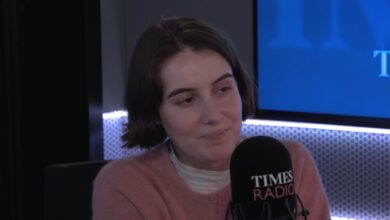
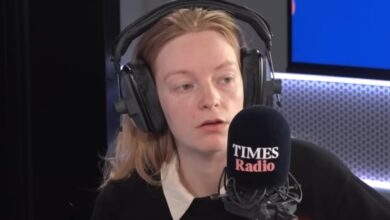
Vicky Spratt: The Influential British Journalist Shaping the National Conversation on Housing, Inequality and Social Change
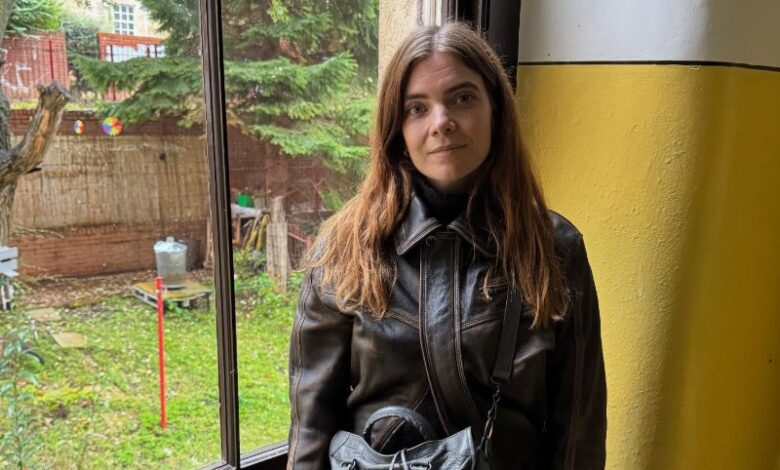
Vicky Spratt has become one of the most recognisable voices in British journalism on housing, renting, inequality and the everyday impact of political decisions. Known for combining sharp reporting with a deep understanding of how policy affects ordinary people, she has built a career that moves confidently across print, broadcasting, documentary-making and authorship. Her work stands out because it does not remain trapped in Westminster language or political theatre. Instead, it focuses on the lived experience of people dealing with insecure renting, rising costs, poor housing conditions and the wider strain placed on modern life in Britain.
As Housing and Society Correspondent at The i Paper, Vicky Spratt has earned a reputation for breaking exclusive stories, writing compelling analysis and pushing serious social issues into the public eye. She is also an award-recognised journalist, a Radio 4 presenter, a documentary maker and the author of books that explore some of the deepest structural inequalities in the country.
Vicky Spratt: Early Life and Education
Victoria Anne Spratt, widely known professionally as Vicky Spratt, was born in April 1988. She was educated at Oxted County School before going on to study at the University of Oxford. She attended Pembroke College, where she completed a Bachelor of Arts in English Language and Literature between 2006 and 2010.
Her academic background in English gave her a strong foundation in analysis, writing and storytelling, all of which are visible in her later work. Even before she entered journalism fully, she was already interested in politics, public life and how institutions shape society. During the years from 2008 to 2011, alongside her degree, she worked in the House of Commons as an intern and freelance casework support for MPs and shadow ministers. That early exposure to Westminster gave her an insider’s understanding of British politics, which would later inform her reporting style.
Vicky Spratt’s Start in Journalism
BBC Westminster and Political Reporting
Her professional journalism career began at the BBC, where she worked in political broadcasting and documentary production. From 2012 onwards, she held several roles within BBC Westminster, Radio 4 news programmes, Newsnight and Daily Politics. These positions involved researching, briefing presenters, gathering news and helping produce serious political coverage during a turbulent period in British public life.
This was an important stage in her development. She worked around major political events, including the aftermath of the 2008 financial crisis, the Coalition Government years and the rise of Brexit politics. That environment sharpened her understanding of how national decisions are made, but it also seems to have reinforced her desire to report on what those decisions mean beyond the political bubble.
Moving into Digital Media
After working in traditional broadcast journalism, she moved into digital media because she recognised that audiences were changing how they consumed information. She worked at The Debrief, eventually becoming Features Editor and then Deputy Editor. In those roles, she helped shape content for younger readers and contributed to the kind of digital-first storytelling that would later become standard across the industry.
She later worked with major digital media organisations including Refinery29 UK and Vice Media Group. At Refinery29 UK, she served as Writer, Features and Special Projects Editor, where she wrote leader articles, commissioned features and worked on editorial campaigns. At Vice News, she wrote a weekly column that often addressed housing, benefits, finance and politics through practical, reader-focused journalism.
The Rise of Vicky Spratt as a Housing Journalist
Why Housing Became Central to Her Work
Housing became the defining issue of her career. Rather than treating housing as a narrow policy beat, she helped present it as a lens through which to understand class, inequality, insecurity, generational pressure and the failures of modern Britain. Her journalism consistently explores the struggles of renters, the shortage of affordable homes, unsafe living conditions and the consequences of a system that often leaves people with little control over where and how they live.
This focus made her one of the leading journalistic voices on what is often called “generation rent”. Her writing is notable because it combines facts and policy detail with strong human stories, making large structural problems feel immediate and impossible to ignore.
The Make Renting Fair Campaign
One of her most important public achievements came in 2016 with the Make Renting Fair campaign. The campaign highlighted the financial pressures faced by tenants, especially unfair letting fees charged in England. It struck a nerve because it reflected a reality many renters already knew too well: the system was loaded against them.
The campaign succeeded in helping to push the issue into national debate and contributed to the momentum behind the Tenant Fees Act 2019, which banned letting fees for tenants in England and Wales. That is a rare and significant achievement for any journalist. It showed that strong reporting, backed by persistence and public engagement, could help change the law.
Vicky Spratt at The i Paper
Since September 2019, she has worked full-time at The i Paper as Housing and Society Correspondent. This role has allowed her to deepen and expand her reporting. She writes exclusive stories, a weekly column and a subscriber-only newsletter. Her work often looks at the condition of Britain’s social infrastructure and the real-life impact of political choices on communities across the country.
Although housing remains her main area of expertise, her reporting is not limited to one subject. She has also written on politics, social policy, women’s issues and wider questions of fairness and opportunity. What ties the work together is a clear concern for accountability and the gap between public rhetoric and real outcomes.
Broadcasting, Documentaries and Public Voice
Radio and Television Work
Vicky Spratt is not only a print journalist. She has also built a strong profile in broadcasting. She appears regularly on television and radio as a commentator and expert, including on BBC News, Sky News, Newsnight, Radio 4 and the Laura Kuenssberg Programme. Her media presence has helped bring housing debates to wider audiences who may not follow policy reporting closely.
In 2025, she presented The Big Mortgage Time Bomb for Radio 4, an investigative documentary based on her reporting into the plight of people trapped by mortgages linked to the financial crisis era. That same year, she also presented Housing Britain with Vicky Spratt, a flagship three-part Radio 4 series examining the politics and policy of Britain’s housing crisis.
Documentary and Script Writing
Beyond journalism and presenting, she has also worked as a documentary maker and has written for television. According to her professional biography, she has a comedy-drama script in development. This points to her range as a storyteller and her ability to move between factual reporting and creative work without losing her distinctive voice.
Books by Vicky Spratt
TENANTS and a Wider View of Britain
Her first book, TENANTS, was published by Profile in 2022. The book explores Britain’s housing emergency and the people living on its front line. It strengthened her standing not just as a reporter of daily news but as a long-form writer able to trace deep structural failures across years and across communities. TENANTS was recognised as a Financial Times Book of the Year in 2022, which added to its critical success.
Her second book, We Were Promised The Moon, is due to be published by 4th Estate in spring 2027. Based on the available information, it explores intergenerational and intragenerational inequity. This suggests an even broader examination of the social contract in modern Britain, moving from housing specifically into the wider promises and disappointments shaping adult life today.
Awards, Recognition and Reputation
Vicky Spratt has been shortlisted for major honours including the British Journalism Awards, Amnesty Awards and the Orwell Prize. She has been an Orwell Prize finalist in 2023, 2024 and 2025, a remarkable run that reflects both the consistency and the impact of her work.
These recognitions matter because they show that her journalism is respected not only by readers but also by the wider profession. She is seen as a reporter who combines strong writing, serious research and moral clarity without losing the nuance that complex issues require.
Personal Interests and Public Identity
Alongside her professional achievements, her personal biography adds texture to her public identity. She has described herself as proudly more Scottish than English, obsessed with medieval history and newly passionate about climbing mountains. These details may seem small, but they help explain some of the energy and individuality behind her public voice.
Vicky Spratt partner
Vicky Spratt keeps her personal life private. No publicly confirmed partner or spouse is known; she previously described herself as “consciously unpartnered,” with no recent updates available.
Vicky Spratt age
Vicky Spratt was born in April 1988. As of 2026, she is around 38 years old, depending on her exact birth date within April.
Why Vicky Spratt Matters Today
Vicky Spratt matters because she represents a form of journalism that is both rigorous and socially relevant. She understands institutions, but she does not write for institutions alone. She writes for readers who want to understand why life feels harder, why insecurity has become normal and why policy failures are not abstract matters but daily realities.
Her career links Westminster, digital media, broadcasting, campaigning and long-form authorship in a way that few journalists manage successfully. Whether through investigations, columns, books or documentaries, she has helped force housing and inequality into the centre of Britain’s public conversation. In a media landscape often distracted by noise, her work remains grounded in substance, empathy and accountability.
Conclusion
Vicky Spratt has built an impressive and influential career through determination, intelligence and a clear sense of purpose. From Oxford and early work in Westminster to the BBC, digital media, The i Paper and national broadcasting, she has developed into one of Britain’s leading journalists on housing and society. Her reporting has informed policy, influenced law, given voice to renters and exposed the deeper consequences of inequality.
More than simply a correspondent, she is a writer and broadcaster whose work continues to shape how Britain understands home, security and fairness. That is why her name carries growing weight in journalism, public debate and the national discussion about what kind of society Britain wants to be.