Urban Lights and Ocean Breeze: Experiencing Korea Between Seoul and Busan
There’s a hum that runs through South Korea — not loud or rushed, but constant, alive. It’s the rhythm of a country that balances tradition and technology with effortless grace. One moment you’re walking beneath neon signs in Seoul’s shopping districts; the next, you’re standing before a quiet temple where the wind carries the scent of incense and pine.
Travelling between Seoul and Busan feels like tracing the country’s pulse from head to heart. The two cities couldn’t be more different — one driven by ambition and design, the other softened by sea air and the easy warmth of the coast. Yet between them, the journey reveals what makes Korea so magnetic: its balance of motion and meaning.
Seoul: Energy in Every Direction
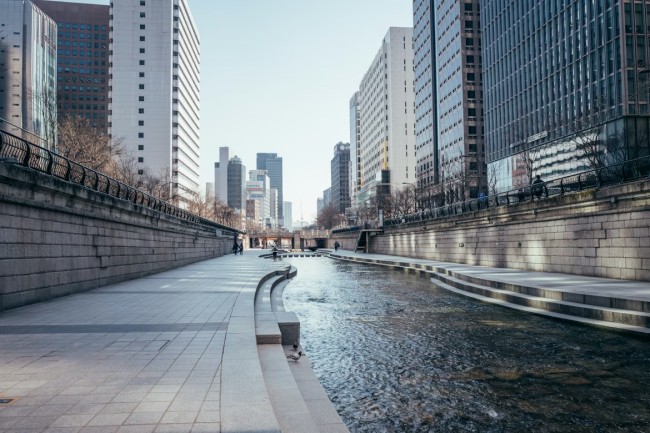
Seoul wakes early and rarely rests. Its energy doesn’t come from chaos but from curiosity — a drive to reinvent, refine, and reconnect. Skyscrapers of glass rise above centuries-old palaces, and cafés spill onto the pavements with the scent of roasted beans and warm pastries. The Han River glints beneath its bridges, catching sunlight by day and reflections of city lights by night.
To walk through Seoul is to experience contrast in motion. In Insadong, narrow lanes echo with the sound of traditional drums; in Gangnam, LED billboards flash in rhythms that feel like music. Even the subway hums with purpose — clean, precise, and endlessly efficient.
Before long, though, the call of the coast beckons. Travellers line up at Seoul Station, coffee in hand, bags packed for the journey south. Buying a train ticket from Seoul to Busan isn’t just a formality; it’s a promise — that within a few hours, the capital’s glass towers will give way to sea breeze and open skies.
The Journey South: Between Mountains and Memory
The route from Seoul to Busan is more than a connection; it’s a story of Korea’s progress. The train slices through the country’s spine — fields, rivers, and mountain tunnels unfolding in quiet succession. Villages flash by like postcards. Farmers bend over rice paddies. Cherry trees border the tracks in spring, their petals swirling past the window like snow.
Modern rail travel here is an experience in itself. KTX Korea, the country’s high-speed network, links north and south with astonishing smoothness. There’s a kind of serenity to it — a hush that falls once the train finds its rhythm. You look up from your book or your phone, and the landscape reminds you that speed doesn’t have to mean hurry.
The journey takes less than three hours, but it feels like a shift in tempo. Seoul’s intensity softens with each passing kilometre. The scenery grows wilder, more open, until suddenly the scent of salt fills the air — Busan is near.
Busan: The Sea’s Gentle Welcome
Busan doesn’t announce itself with skyscrapers; it greets you with waves. South Korea’s second city is framed by mountains and sea, its skyline dancing between both. The beaches stretch wide, and even on busy weekends there’s a sense of calm — the kind that comes from being close to the water.
Haeundae Beach is the heart of it all. Locals and travellers gather here at sunrise, when the horizon blushes pink and gold. Early joggers trace the shoreline; café owners sweep their terraces. Later, the promenade hums with life — street performers, fishermen, and families enjoying the sound of the tide.
Beyond the beach, the Jagalchi Fish Market bursts with colour and conversation. It’s a sensory whirlwind: rows of silver fish laid out like art, vendors calling out daily prices, and the scent of the sea so strong it almost tastes like salt on your tongue. Yet even amid the bustle, there’s warmth — a reminder that this is a working city, proud of its heritage and humble in its hospitality.

Culture Between the Waves
Busan offers more than beaches and markets. Climb the narrow streets of Gamcheon Culture Village, and you’ll find a hillside alive with murals and pastel houses stacked like Lego bricks. Every corner feels like a photograph waiting to happen. The view from the top stretches across the harbour — ships drifting in and out, gulls circling in the wind.
There’s art in everything here: in the rhythm of the waves, the lines of the bridges, the glow of lanterns at the Beomeosa Temple as night falls. And as in Seoul, food is at the centre of life. Try spicy seafood stews, sizzling pancakes, and fresh sashimi served within sight of the boats that caught it.
Busan’s evenings are softer than Seoul’s but no less alive. Neon still glows, laughter spills from waterfront bars, and music floats through the night air. The difference is pace — in Busan, time stretches rather than sprints.
The Thread That Connects
Travelling between Seoul and Busan feels like reading a story with two voices — one fast, the other fluid. Together they reveal the balance that defines modern Korea: movement without restlessness, innovation without losing soul.
Everywhere you go, the country’s duality is clear. You see it in the juxtaposition of hanok houses and mirrored towers, in the calm of a mountain temple just minutes from a busy street. It’s a place where the past isn’t replaced — it’s repurposed, layered, and celebrated.
Perhaps that’s why the journey itself feels so meaningful. You’re not just covering distance; you’re crossing eras, energies, and emotions — all within a single day’s ride.
Conclusion: Finding Stillness in Motion
By the time you return to Seoul, something feels different. The pace that once seemed relentless now feels purposeful, even poetic. You’ve seen how the same country can hold both intensity and calm, technology and tradition, progress and pause.
The journey between these cities is more than a line on a map — it’s a meditation on balance. You learn to appreciate stillness not as the absence of movement, but as its quiet companion.
South Korea offers a rare kind of travel: one where modern life and natural beauty coexist without conflict. Whether it’s the quiet hum of the KTX, the laughter of a Busan market, or the soft glow of Seoul’s skyline at night, each moment leaves its mark — not loud, but lasting.
And perhaps that’s Korea’s greatest gift: teaching us that even in motion, there’s room to breathe.