Top Landscaping Mistakes That Are Costing UK Homeowners Money
Your garden had such potential. You pictured soft, overflowing borders, neat gravel paths, and perhaps a tasteful water feature gently burbling away like something out of a magazine spread. Then, somewhere between the first trip to the garden centre and the third emergency call to a landscaper, things went sideways, and your bank account took a hit. Luckily, most costly garden mistakes are entirely avoidable, and they tend to follow the same patterns. So, keep reading to spot the red flags before they turn into repair bills.
Starting Without a Plan
This is where most garden disasters begin. You feel inspired, head to the garden centre, load up the trolley with plants that look brilliant in the moment, and start digging as soon as you get home. A few weeks later, reality sets in. The sun hits from a completely different angle than you imagined, the soil holds water like a sponge, and your whole outdoor space suddenly starts to look like an afterthought.
So, before you touch a single thing, spend time observing your space. Note where sunlight falls throughout the day, where water tends to pool after rain, and which areas are sheltered or exposed. A rough sketch on paper will save you far more money than you’d expect. It’ll encourage you to think about scale, flow, and how plants will look once they mature, not just how they look in their neat little pots on day one.
Choosing the Wrong Plants
Buying plants that look beautiful at the garden centre is easy. Getting them to survive in your garden, though, is where things get complicated. Exotic or tropical species might catch your eye, but they need constant watering, extra feeding, and tender care through every cold snap. That’s time, effort, and money you probably hadn’t planned for when you popped out ‘just for compost.’
Instead, stick to plants that actually suit your conditions. Native species like foxgloves, hardy geraniums, and ornamental grasses are low-maintenance and can easily thrive in British weather without you hovering over them like a nervous parent.
Overlooking Your Soil Type
You can spend hours choosing the perfect plants, but if what’s under your feet doesn’t suit them, you’ll be setting yourself up for an ongoing struggle. You don’t need a chemistry degree to know what type of soil you have, though. A basic soil test kit will give you two key pieces of information: your soil’s texture and its pH level.
If you’ve got heavy clay, for example, it’ll hold onto water for longer. That’s fine for moisture-loving plants, but any varieties that need fast-draining soil will struggle. Sandy soil, on the other hand, drains quickly, which suits drought-tolerant plants but can leave others constantly thirsty.
The pH level matters, too. Some specimens simply won’t absorb nutrients properly if the soil is too acidic or too alkaline for them. Once you know what you’re working with, you can choose plants that naturally suit your garden or improve the soil before you invest in anything substantial. Either way, you’ll be setting yourself up for success instead of trying to fix problems later.
Neglecting Drainage
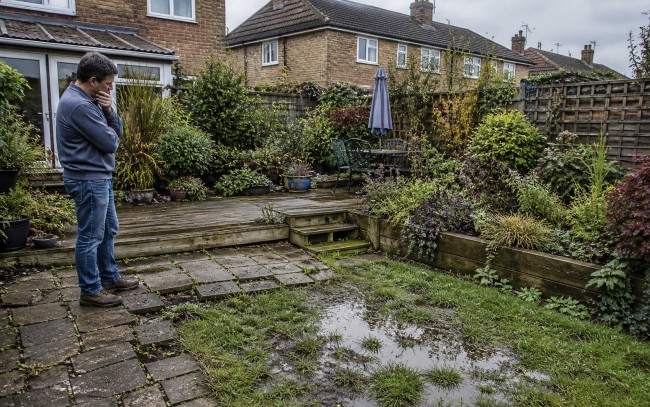
Drainage is one of those things you don’t think about until you’re standing in a puddle that definitely wasn’t there yesterday. When water has nowhere to go, it collects around foundations, drowns plant roots, and creates the kind of damp conditions that invite pests and disease. By then, the fixes are rarely cheap.
To stay ahead of drainage issues, watch your garden during rainfall. Identify where water pools and how long it sits there. Even a small fix, like adding a 10 mm gap between soil and a retaining wall or mixing grit into heavy clay borders, can make a significant difference before things escalate.
If you notice the same area staying wet long after the rain has stopped, consider a more permanent fix, such as a French drain or soakaway. These aren’t the most exciting upgrades you’ll ever make, but sorting this early will save you from much bigger headaches later.
Skipping Regular Maintenance
If your garden suddenly feels out of control, chances are that it didn’t happen overnight at all. When you ignore maintenance, weeds compete with your plants, overgrown shrubs press against structures, and the soil hardens underfoot.
You don’t need to live outside with a trowel in your hand. Even 30 minutes a week is usually enough to stay on top of things. Just focus on weeding, trimming overgrown shrubs, and checking for pests or damage. That’s often all it takes to keep problems small.
And keep your tools ready to use. If your shears are blunt or the mower refuses to cooperate, you’re far more likely to put it off.
Buying Cheap Materials
It’s easy to choose the lower price tag when everything looks identical on the shelf. After all, that budget decking looks the part and costs less upfront. But give it two winters, and you’ll be staring at boards that have warped, split, or started rotting.
In a climate that delivers heavy rain, frost and the occasional heatwave just to keep things interesting, cheaper materials rarely age gracefully. Low-quality timber struggles with damp and fluctuating temperatures, and that ‘cost-effective’ paving you were so proud of snagging on sale can crack after repeated freezing and thawing.
When choosing hard landscaping materials, prioritise durability. Natural stone, pressure-treated timber, and powder-coated metal all hold up far better and look polished for longer. You don’t have to get the most expensive option on the shelf. You just need something hard-wearing enough, so you don’t end up replacing it in a couple of seasons.
Overcomplicating the Design
You may be tempted, especially after hours of browsing inspiration online, to pack your garden with every good idea at once. A water feature in one corner, a pergola in another, raised beds, statement lighting, and three different planting styles—why choose one when you can have everything?
The problem is that when every idea makes it into the plan, the space can start to feel busy and cramped instead of cohesive. And every extra feature you add is another thing you’ll need to clean, treat, repair or eventually replace. A simple layout with a clear path, a handful of well-chosen plants and one or two focal points often looks stronger than a collection of competing ideas.
Plus, when you go for a simple design, you’ll be able to keep your garden well-maintained without turning upkeep into a second job. If you’re still in the process of designing your garden, you can plant specimens, polish the edges, and build smaller features on your own with a bit of research and patience.
But when it comes to major drainage changes, altering levels, or removing large trees, that’s where professional input can help you avoid expensive landscaping mistakes. An expert will spot issues you haven’t considered and suggest solutions that are both better and often cheaper than your original plan.
Conclusion
Your garden doesn’t have to be a money pit. With a bit of forethought, it can be one of the best investments your home has. So, go look at your outdoor space with fresh eyes and start with just one thing you know needs fixing. That’s all it takes to get the ball rolling.