The importance of upgrading your business facilities
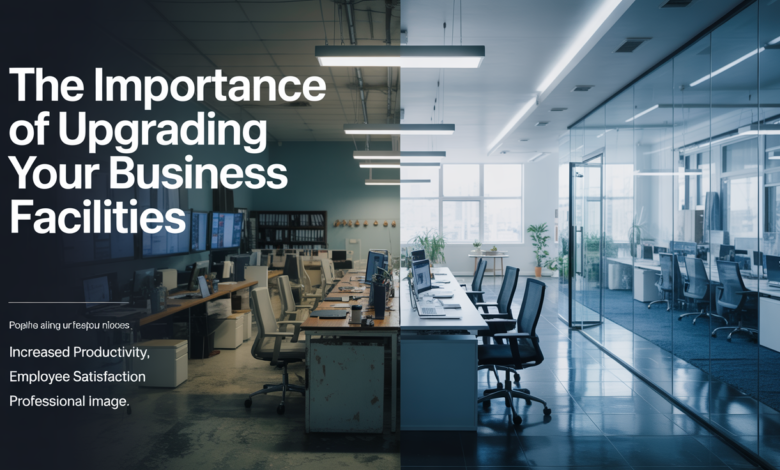
In 2025, there has been a shift in the workplace dramatically with how people work. With the rising energy costs, tighter carbon regulations, and hybrid working patterns in place, traditional office setups no longer can serve businesses efficiently as they once did. You probably notice the impact on both costs and employee experience. By upgrading your business facilities and adopting to smart building technology, you can improve operational efficiency, reduce waste, and create a more comfortable environment for everyone who uses your space. These improvements can deliver tangible benefits that directly influence productivity, sustainability, and overall business performance.
Energy efficiency, cost savings & environmental responsibility
Smart buildings mainly use sensors, automation, and integrated systems to manage energy usage intelligently. Features like lightning, cooling, and central heating can be automatically adjusted to match occupancy, avoiding waste when rooms are empty. For example, motion sensors can automatically dim or switch off in unused conference rooms, whilst temperature controls can adapt to the number of people present. Having these measures implemented into your business, reduces energy costs and helps your business meet sustainable targets. With the growing regulatory pressure on lowering carbon footprints, smart controls can give you the right tools to comply efficiently, whilst saving money.
Improved occupant comfort, health, and productivity
To create a more healthier and comfortable indoor environment, upgrading to smart systems is the way forward. Automated climate control, air-quality monitoring, adaptive lighting, and occupancy-based adjustments can ensure that employees, clients, and visitors are always in optimal conditions. To improve productivity within employees, invest in comfortable spaces, as it can improve morale and staff will less likely experience fatigue. Imagine your team working in a room where temperature and ventilation can respond automatically to the day’s activity. This type of environment can support focus and wellbeing of staff members without having to constantly make manual adjustments.
Predictive maintenance, reduced downtime, and smarter facility management
Smart buildings can also bring a data-driven approach to maintenance. Sensors and building management systems (BMS) detect when equipment such as HVAC, lighting, plumbing, or structural elements start to underperform. This can allow the maintenance teams to be able to act proactively rather than reactively, reducing any costly emergency repairs and unexpected breakdowns. When it’s convenient, you can schedule service, extend equipment lifespan, and ensure smoother operations. The result ensures a more reliable workplace and lower long-term overheads, freeing resources for other business priorities.
Flexibility, future-proofing and enhanced asset value
Upgrading to a smart building transforms your facility into a long-term strategic asset. Integrated, data-driven infrastructure makes it easier to adapt spaces for hybrid work, reconfigure layouts, or scale operations without expensive overhauls. Smart buildings also appeal to clients, tenants, or investors, often commanding higher market value or rental premiums. By investing in upgrades now, you not only improve day-to-day efficiency but also future proof your property and enhance its overall value.