The Growing Importance of Online Mediation in Modern Dispute Resolution
Conflict is a natural part of personal, professional, and commercial relationships. Whether disagreements arise between businesses, family members, landlords and tenants, or employers and employees, finding an effective way to resolve disputes is essential. Traditional legal proceedings can often be time-consuming, expensive, and emotionally draining. As technology continues to transform communication and business operations, online mediation has emerged as a practical and efficient alternative for resolving conflicts.
Online mediation allows parties to participate in dispute resolution remotely through secure digital platforms. It combines the principles of traditional mediation with the convenience of virtual communication. This method has become increasingly popular because it offers flexibility, accessibility, and cost savings while maintaining confidentiality and professionalism. As organizations and individuals seek faster and more collaborative ways to settle disputes, online mediation is playing an increasingly important role in modern conflict resolution.
Understanding the Basics of Online Mediation
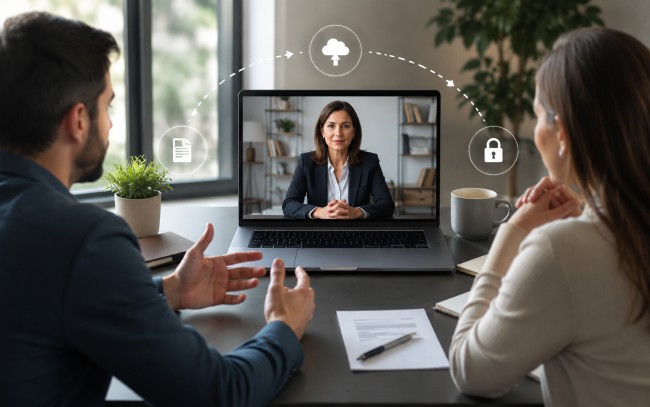
An online mediator helps disputing parties communicate and negotiate through virtual platforms rather than face-to-face meetings. The process typically involves video conferencing, secure document sharing, and online communication tools that allow all participants to engage from different locations.
The primary purpose of online mediation is to encourage constructive dialogue and help both parties reach a mutually acceptable agreement. Unlike litigation, mediation focuses on collaboration rather than confrontation. The mediator acts as a neutral third party who guides discussions, identifies key issues, and supports productive negotiation.
Online mediation can be used for various disputes, including workplace disagreements, business conflicts, consumer complaints, family matters, and contract disputes. Because participants do not need to travel, the process becomes more convenient and accessible for individuals living in different regions or countries.
The digital nature of online mediation also allows scheduling flexibility. Sessions can often be arranged more quickly than court hearings, helping parties resolve disputes in a timely manner. This efficiency is one of the major reasons why online mediation has gained popularity in recent years.
The Advantages of Online Mediation
One of the most significant benefits of online mediation is convenience. Participants can attend sessions from their homes or offices without the need for travel. This is especially beneficial for businesses with remote teams, international clients, or parties located far apart.
Cost-effectiveness is another major advantage. Traditional legal disputes can involve substantial expenses related to travel, court fees, and legal representation. Online mediation reduces many of these costs, making dispute resolution more affordable for individuals and businesses alike.
Time efficiency is equally important. Court cases can take months or even years to conclude, whereas online mediation often resolves disputes within a shorter timeframe. Faster resolutions help reduce stress and allow parties to focus on rebuilding relationships or continuing business operations.
Online mediation also improves accessibility. Individuals with mobility challenges, busy schedules, or caregiving responsibilities can participate more easily through virtual meetings. This inclusive approach ensures that more people have access to fair dispute resolution services.
Another important advantage is confidentiality. Mediation sessions are generally private, and secure online platforms help protect sensitive information. This level of privacy is often preferable to public court proceedings, particularly for businesses concerned about reputation management.
How Technology Supports Effective Dispute Resolution
Technology plays a central role in the success of online mediation. Modern communication tools allow mediators and participants to interact effectively despite physical distance. High-quality video conferencing software enables face-to-face communication that closely resembles in-person discussions.
Secure document-sharing systems make it easier to exchange contracts, evidence, and agreements during the mediation process. Digital platforms also allow mediators to create separate virtual rooms where private discussions can take place with each party individually.
Scheduling software and automated reminders improve organization and reduce delays. Some mediation platforms even offer digital signing features, allowing agreements to be finalized immediately after a settlement is reached.
Artificial intelligence and digital case management systems are also beginning to influence the mediation industry. These tools can help organize information, track communication, and streamline administrative tasks. Although technology cannot replace the human skills of empathy and negotiation, it significantly improves efficiency and accessibility.
The increasing familiarity with virtual communication tools has further contributed to the acceptance of online mediation. As more people become comfortable conducting meetings online, virtual dispute resolution continues to gain credibility across multiple industries.
The Role of Communication in Online Mediation
Effective communication is one of the most critical elements of successful mediation. In online mediation, communication skills become even more important because participants rely heavily on verbal interaction and digital communication cues.
Mediators must create an environment where all parties feel heard and respected. They encourage open discussion while ensuring conversations remain professional and productive. Active listening, careful questioning, and clear explanations help parties better understand each other’s concerns and interests.
One challenge of virtual communication is the potential for misunderstandings caused by technical issues or the absence of certain nonverbal cues. Skilled mediators address this challenge by promoting clarity, encouraging patience, and ensuring all participants have opportunities to express themselves fully.
Online mediation can sometimes reduce emotional tension because parties are participating from familiar environments rather than formal legal settings. This comfort can encourage more open dialogue and reduce hostility during negotiations.
In addition, written communication tools such as chat features and shared notes can help summarize important points and reduce confusion. These digital tools support transparency and keep discussions focused on problem-solving.
Industries and Situations That Benefit from Online Mediation
Online mediation is widely used across various sectors because of its adaptability and efficiency. Businesses often use online mediation to resolve contract disputes, partnership disagreements, customer complaints, and employment issues. The ability to settle conflicts quickly helps companies minimize disruption and maintain professional relationships.
Family disputes are another area where online mediation has proven valuable. Divorce discussions, parenting arrangements, and inheritance conflicts can often be emotionally challenging. Virtual mediation provides a more private and comfortable setting for sensitive conversations.
Educational institutions and healthcare organizations also benefit from online mediation services. Disputes involving staff, students, patients, or administrators can often be resolved more effectively through collaborative discussion rather than formal disciplinary procedures.
The rise of remote work has further increased the relevance of online mediation. As organizations operate across different cities and countries, virtual dispute resolution provides a practical solution for managing workplace conflicts without requiring travel.
Consumer disputes, landlord-tenant disagreements, and community conflicts are also increasingly handled through online mediation. The flexibility and accessibility of digital platforms make mediation available to a wider range of people and situations.
The Future of Online Mediation
The future of online mediation appears highly promising as technology continues to evolve and organizations increasingly embrace digital solutions. Many experts believe that virtual mediation will remain an essential part of dispute resolution even as in-person services continue.
One reason for this growth is the increasing demand for efficient and affordable legal alternatives. Individuals and businesses are seeking methods that save time, reduce costs, and encourage cooperation rather than prolonged conflict.
Advancements in cybersecurity are also strengthening confidence in online mediation platforms. Enhanced encryption and secure communication tools help protect sensitive information and maintain confidentiality.
Training programs for mediators are adapting to include virtual communication techniques and digital platform management. As mediators become more skilled in online facilitation, the quality and effectiveness of virtual mediation services continue to improve.
Globalization is another factor driving the future of online mediation. Businesses and individuals increasingly interact across borders, making remote dispute resolution a practical necessity. Online mediation allows parties from different regions to collaborate without geographic limitations.
As awareness grows, more industries and institutions are likely to integrate online mediation into their standard conflict resolution procedures. This continued adoption will further establish online mediation as a trusted and valuable approach to resolving disputes.
Conclusion
The development of digital communication has transformed many aspects of modern life, including the way disputes are resolved. Online mediation provides a flexible, efficient, and cost-effective alternative to traditional legal proceedings. By combining technology with collaborative negotiation techniques, mediation offers parties an opportunity to resolve conflicts in a respectful and constructive manner.
An experienced online mediator can help individuals and organizations navigate disagreements while encouraging communication, understanding, and mutually beneficial outcomes. As businesses, institutions, and individuals continue to seek practical dispute resolution methods, online mediation is expected to remain an increasingly important part of the modern legal and professional landscape.