The Financial Benefits of Purchasing a Certified Pre-Owned Vehicle
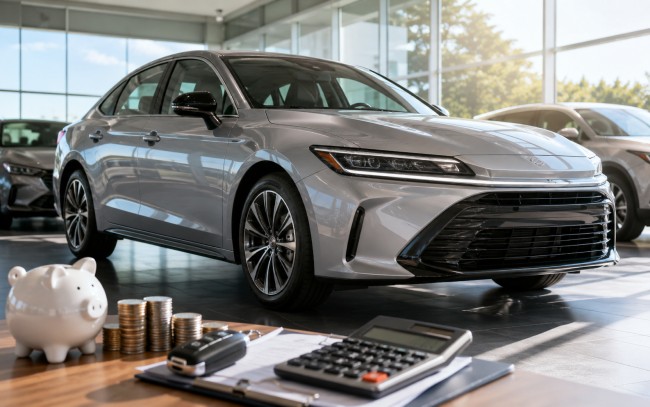
In just three years, a new car will lose approximately a third of its value. Who’s paying for that loss? The buyer who purchased it new. The certified pre-owned buyer is not. And yet, they’re still getting a car that drives, runs, looks, and even smells like new. That’s the fiscal argument for CPO broken down into the simplest form.
The Depreciation Hit You Don’t Have To Take
Depreciation of a new car is harshest during the first year. A $45,000 car may feel nearly $9,000 smaller before it hits its first anniversary. That $9,000 doesn’t care how gently you drive or where you park or how often you wash it.
Certified Pre-Owned (CPO) cars reside in what dealers refer to as the “value gap” – generally two to four years old, past the steepest point of the depreciation curve, yet recent enough that they still carry a portion of the manufacturer’s original warranty. The first owner took the worst bath on the car, and you’re jumping in after the bleeding has slowed.
The situation goes beyond paying less money up front. It’s about taking ownership of an object that retains a higher percentage of the cash you spent on it. That becomes important when it’s time to sell or trade.
What The Inspection Actually Protects You From
Buying a regular used car from a dealership costs more than buying from a private seller. The reason for this is simple. Dealerships assume a lot of the risk associated with buying a used car because private sellers have no obligations. Even with full disclosure, the brakes could be shot, the transmission could be going, and the electrical system could be just holding on.
CPOs require a 100+ point inspection (in the case of Volvo, 170+). An independent vehicle history report is run to make sure there are no salvage titles, no undisclosed accidents, and no gaps in the service history. Refurbishment standards must be met (read: no worn-down brake pads and near-dead batteries).
All of that price you pay right there becomes savings in total cost of ownership over the first year because you’re not buying someone else’s problem and then visiting the mechanic two months post-purchase.
Financing A CPO Vehicle Costs Less Than Most Buyers Expect
One key piece of information you may have overlooked is the interest rate. Generally speaking, used car loans have a higher interest rate compared to new car loans because the inherent risk is greater. But as previously noted, CPO vehicles change that equation. Many manufacturers offer much lower, sometimes even subsidized, interest rates on their certified pre-owned inventory.
In some cases, they could be better than what’s currently being offered on a brand new vehicle. The reasoning behind this is simple enough: these autos have been neatly inspected, documented, and come backed by the safety net of a manufacturer’s warranty. The loan-to-value ratio is also much more transparent for the financier and a lower risk generally means a lower APR for you.
Once you understand how the CPO value proposition works, browsing a reputable dealer’s selection of car for sale options gives you the ability to compare models, specifications, and pricing side by side – which is where the real financial decisions get made.
Insurance and Ongoing Costs
Insurance costs for brand-new cars are typically higher as they need to be insured for a higher amount. However, CPO cars are relatively new, usually being just two to four years old and therefore, also qualify for cheaper insurance. Since CPO cars are still quite new, you can also benefit from safety-feature discounts that older used cars don’t qualify for.
That gap in annual premium adds up quietly. Over three years of ownership, the savings on insurance alone can be substantial – and it’s a cost most buyers don’t factor into their original purchase decision. Then there’s roadside assistance. Most CPO programs include it as standard. That’s not a luxury add-on. It’s financial protection against a $300 tow bill or a lockout call at midnight, costs that come out of your pocket with a private-sale used car.
The Warranty As A Financial Instrument
A longer factory warranty is not only a guarantee, it also limits the potential losses. Imagine a major mechanical problem occurring during the first years of possessing the car. It could cost you thousands. Repairs to the transmission or engine, as well as electronic malfunctions, are the type of expenses that eliminate any savings you may have made from buying what seemed like a “good” used car.
CPO guarantees transfer this risk back to the producer. You know the extent and duration of your warranty coverage even before you purchase the car. You can prepare a budget because most of the worst-case scenarios are included in the warranty. Additionally, some programs offer an extension to the service agreement at a lower price as part of the deal. It is worth spending your time to examine the terms of coverage before you purchase the car. This is one of the most important factors, as the quality of the CPO programs is different with each manufacturer.
The Strategic Conclusion
Buying a pre-owned car isn’t for those willing to put up with less. It’s for those unwilling to pay more for a new car than it’s reasonably worth to be its first owner. Warranty and audit sanity weigh on the decision, too. In those cases, a Certified Pre-Owned car is a dream come true, because you’re still virtually buying new – only someone else took the hit.