Straight Leg Joggers Transform Athleisure Fashion
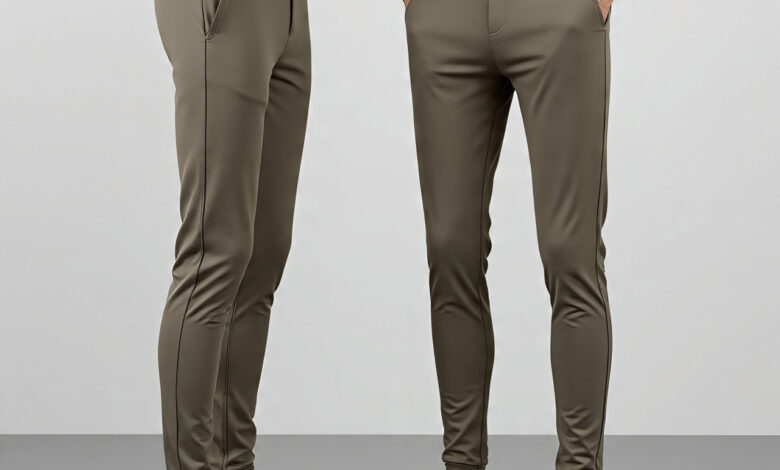
The athletic wear landscape has undergone remarkable transformation over the past decade, with certain garment styles emerging as definitive symbols of evolving fashion sensibilities and lifestyle priorities. Among these, straight-leg joggers have established themselves as particularly significant, bridging the gap between performance-oriented sportswear and everyday casual fashion in ways that resonate deeply with contemporary consumer preferences.
Understanding Straight Leg Joggers
Straight-leg joggers represent a distinct evolution from traditional tapered athletic pants. Unlike predecessors featuring aggressive tapering, straight-leg designs maintain consistent width throughout the leg, creating a relaxed yet contemporary silhouette that transitions seamlessly between athletic and casual contexts.
Quality straight-leg joggers typically incorporate elastic or drawstring waistbands, side pockets for functionality, and ankle cuffs providing definition without excessive tightness. Fabric selection varies from pure cotton for breathability to technical blends incorporating polyester and spandex offering moisture-wicking properties, stretch capabilities, and enhanced durability.
Contemporary designs feature thoughtful elements enhancing functionality and aesthetics. Zippered pockets provide secure storage, reinforced knees extend lifespan, and carefully positioned seams minimize chafing while flattering body proportions.
The Athleisure Movement and Market Growth
According to research from Grand View Research, the North America athletic wear market was valued at $26.28 billion in 2024 and is expected to grow at a CAGR of 6.8% from 2025 to 2030. This substantial growth reflects broader shifts in consumer behavior and fashion preferences creating fertile ground for straight-leg joggers to thrive.
The athleisure movement has fundamentally reshaped clothing selection approaches. Contemporary consumers increasingly seek garments performing effectively across multiple contexts. Straight-leg joggers perfectly embody this versatility, offering comfort for workouts while maintaining style credibility for casual social situations, work-from-home environments, and everyday errands.
Younger consumers, particularly millennials and Gen Z, prioritize comfort and practicality while maintaining strong fashion interest. These cohorts have normalized wearing athletic-inspired clothing in previously inappropriate contexts, creating expanded opportunities for straight-leg joggers.
The pandemic accelerated athleisure trends as lockdowns and remote work prompted consumers to seek comfortable clothing. Even as restrictions eased, behavioral changes persisted. Remote work remains common, fitness activities have diversified, and casual dress codes have become widely accepted, continuing to support demand for versatile athletic wear.
Design Innovation and Technical Development
Contemporary straight-leg joggers benefit from decades of material science research and manufacturing innovation. Modern materials offer property combinations impossible years ago. Moisture-wicking fabrics draw perspiration away from skin, four-way stretch materials provide movement freedom without sacrificing shape, antimicrobial treatments reduce odor, and temperature-regulating fabrics maintain comfortable body temperature.
Construction techniques have advanced significantly. Flatlock seaming reduces bulk and prevents chafing, laser-cut edges eliminate traditional hemming for cleaner aesthetics, and bonded pockets provide functionality without adding visible bulk. These improvements enhance wearing experience while supporting versatile positioning.
Design sophistication extends beyond functionality into aesthetic considerations. Color palettes have expanded beyond traditional black and gray to include earth tones, muted pastels, and seasonal colors. Subtle branding replaces prominent logos for sophisticated appearance. Tailored fits flatter diverse body types without sacrificing comfort.
Consumer Demographics and Preferences
Straight-leg jogger adoption spans remarkably diverse demographics, reflecting broad appeal of garments balancing comfort, functionality, and style.
Men represent a particularly strong consumer segment, attracted by the relaxed yet intentional aesthetic. The straight-leg silhouette offers masculine appeal without extreme bagginess of earlier athletic pants or tight fit of tapered styles. Many men appreciate versatility for activities from gym workouts to casual gatherings.
Women consumers have similarly embraced straight-leg joggers, often with different priorities. Female consumers frequently seek joggers balancing comfort with figure-flattering fits, appreciate coordinating pieces creating cohesive outfits, and value versatility for activities ranging from yoga to coffee meetings.
Age demographics extend beyond stereotypical young adult consumers. Middle-aged and older adults increasingly adopt comfortable, practical clothing as lifestyle priorities shift. The pandemic particularly accelerated this trend, and many have maintained these preferences even as normal activities resumed.
Styling and Versatility
Versatility makes straight-leg joggers commercially successful through styling flexibility across diverse contexts. For athletic contexts, they pair naturally with performance tops like moisture-wicking shirts, tank tops, and athletic jackets. Athletic footwear from running shoes to training sneakers complements the sporty aesthetic while providing appropriate support. This combination delivers functional comfort for gym workouts, outdoor runs, yoga sessions, and recreational sports while maintaining coordinated appearance that many fitness enthusiasts appreciate.
Casual styling transforms straight-leg joggers into everyday wear suitable for errands, social gatherings, and relaxed professional environments. Pairing with fitted tops, sweaters, or casual shirts creates balanced proportions and intentional styling that elevates beyond pure athletic wear. Footwear choices like white sneakers, casual slip-ons, or certain boots adapt the aesthetic toward streetwear or casual fashion rather than obvious sportswear. Layering with denim jackets, bomber jackets, or blazers further refines the look for contexts requiring more polish.
The straight-leg silhouette specifically contributes to styling versatility by avoiding extreme casualness of loose fits or overtly athletic appearance of tapered designs. The clean lines and contemporary proportions coordinate easily with diverse tops and footwear, enabling varied aesthetics from single garment foundation. This adaptability represents crucial value proposition for consumers seeking to maximize wardrobe utility and minimize clothing volume while maintaining appropriate style across multiple daily contexts.
Sustainability Considerations
Environmental consciousness increasingly influences purchasing decisions. Straight-leg jogger manufacturers have responded through sustainability initiatives addressing materials, manufacturing processes, and product longevity.
Material selection represents the most visible sustainability focus. Organic cotton eliminates synthetic pesticides, recycled polyester transforms waste materials into functional fabrics, and sustainable innovations like bamboo-derived materials offer performance with reduced environmental footprints.
Manufacturing improvements address energy consumption, water usage, and chemical management. Brands invest in efficient equipment, renewable energy, and waste reduction programs minimizing environmental impact.
Product durability represents another crucial consideration. Higher quality straight-leg joggers maintaining performance through extended wear reduce replacement frequency, thereby limiting consumption and waste.
Market Positioning and Price Segments
The straight-leg jogger market exhibits clear segmentation across price points reflecting varied quality levels and target demographics.
Budget-oriented joggers typically retail below $30 and emphasize accessibility and basic functionality. These products use simpler fabrics, standardized fits, and minimal design details, serving consumers prioritizing affordability.
Mid-range joggers occupy the $30-80 range and represent the largest market segment. These products balance reasonable pricing with enhanced quality, incorporating better fabrics and improved construction. Mid-range offerings provide adequate performance for casual activities and everyday wear while maintaining acceptable durability.
Premium joggers command prices above $80, justified through superior materials, exceptional construction, and strong brand equity. Premium products use advanced technical fabrics with multiple performance characteristics and come from brands with established quality reputations.
Future Outlook
The straight-leg jogger category appears well-positioned for continued growth as athleisure trends mature. Demographic trends support long-term growth as younger consumers age into higher earning capacity. These consumers exhibit strong comfort prioritization and acceptance of casual dress codes that sustains demand.
Technological advancement in fabrics and design will likely yield increasingly sophisticated joggers offering enhanced performance, improved sustainability, and greater versatility. Continued innovation maintains consumer interest and justifies premium pricing.
The fundamental value proposition of straight-leg joggers ensures continued relevance. Whether worn for workouts, remote work, casual outings, or relaxation, these garments deliver practical benefits and aesthetic appeal resonating with modern priorities. This alignment suggests straight-leg joggers will remain athletic wear staples for years ahead.