Old Electronic Equipment Disposal: Safe and Responsible Ways to Recycle
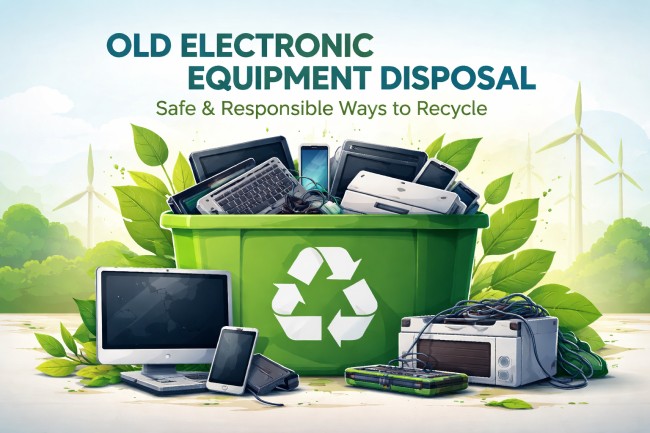
As technology continues to evolve, electronic devices become outdated faster than ever. From old laptops and smartphones to office equipment and servers, businesses and individuals frequently upgrade their tech. However, this rapid turnover creates a growing challenge—what to do with outdated electronics. Proper old electronic equipment disposal is essential not only for environmental protection but also for data security and regulatory compliance.
The Growing Problem of Electronic Waste
Electronic waste, often referred to as e-waste, is one of the fastest-growing waste streams in the world. When devices are thrown away improperly, they can release harmful substances such as lead, mercury, and cadmium into the environment. These toxic materials can contaminate soil and water, posing serious risks to both human health and wildlife.
Responsible old electronic equipment disposal helps reduce these environmental hazards by ensuring that devices are processed, recycled, or repurposed in a safe and controlled manner. By choosing the right disposal methods, individuals and businesses can significantly reduce their environmental impact.
Choosing the Right Disposal Method
Selecting the appropriate disposal method depends on the type and condition of the equipment. For small household items, local recycling centers or electronic collection programs may be sufficient. However, larger quantities of equipment, especially from businesses, require more specialized solutions.
Professional services that handle old electronic equipment disposal offer comprehensive solutions, including collection, transportation, data destruction, and environmentally responsible recycling. These services ensure that all components are processed according to industry standards and environmental regulations.
Why Safe Disposal Matters
Disposing of electronics is not as simple as throwing them in a bin. Many devices contain sensitive data, including personal information, financial records, and confidential business files. If not handled properly, this data can be accessed or misused, leading to serious security breaches.
This is why old electronic equipment disposal must include secure data destruction. Professional recycling services often provide certified data wiping or physical destruction of storage devices, ensuring that your information remains protected. This step is especially important for businesses that must comply with data protection regulations.
Recycling vs. Reusing Electronics
Before disposing of old electronics, it’s worth considering whether they can be reused. Devices that are still functional can often be refurbished and donated to schools, charities, or community organizations. This extends their lifespan and reduces the need for new manufacturing.
When reuse is not an option, recycling becomes the next best solution. Through proper old electronic equipment disposal, valuable materials such as metals, plastics, and glass can be recovered and reused in new products. This approach helps protect natural resources while also decreasing the energy needed to produce new materials.
Environmental Benefits of Responsible Recycling
Proper disposal and recycling of electronics have a significant positive impact on the environment. By diverting e-waste from landfills, we reduce pollution and prevent harmful substances from entering ecosystems. Recycling also minimizes the need for raw material extraction, which can be both energy-intensive and environmentally damaging.
In addition, responsible old electronic equipment disposal supports the circular economy. This approach focuses on reusing and recycling materials to create a more sustainable system, where resources are kept in use for as long as possible.
The Role of Businesses in E-Waste Management
Businesses play a crucial role in managing electronic waste responsibly. With frequent upgrades and large volumes of equipment, organizations must adopt structured disposal practices. Implementing clear policies for old electronic equipment disposal ensures that outdated devices are handled securely and sustainably.
Partnering with certified disposal providers can help businesses meet legal requirements, protect sensitive data, and demonstrate environmental responsibility. This not only reduces risk but also enhances the company’s reputation as a responsible and ethical organization.
Tips for Responsible Disposal
There are several practical steps you can take to ensure safe and responsible disposal of electronics. Start by backing up and deleting all personal or sensitive data from your devices. If possible, use professional data destruction services for added security.
Next, research local recycling programs or certified disposal providers. Avoid throwing electronics in regular waste bins, as this can lead to environmental harm. Finally, consider donating or selling functional devices to extend their usability and reduce waste.
Conclusion
Old electronics may no longer serve their original purpose, but they still hold value and potential when handled correctly. Responsible old electronic equipment disposal is essential for protecting the environment, safeguarding sensitive data, and promoting sustainable practices.
By choosing safe and ethical disposal methods, individuals and businesses can contribute to a cleaner, healthier future. Whether through recycling, reusing, or working with professional services, every effort counts in reducing the growing impact of electronic waste.