Nata de Coco: The refreshing coconut jelly loved around the world
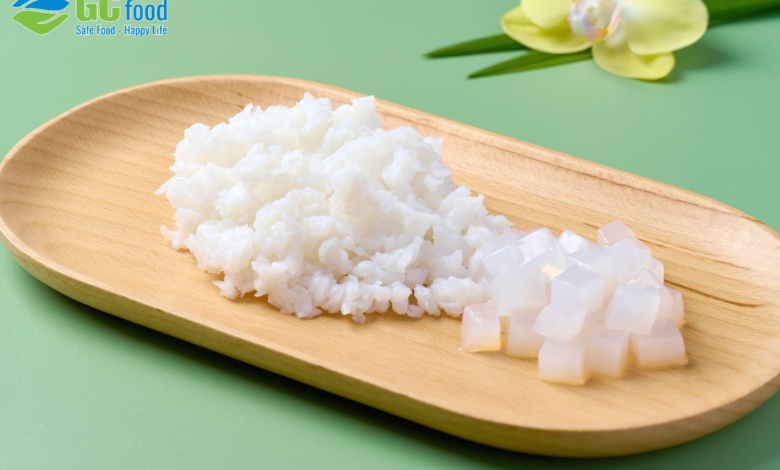
In recent years, Nata de Coco has become a popular ingredient in beverages and desserts worldwide. Loved for its chewy texture and refreshing taste, this coconut jelly offers more than sweetness, with nutritional value suited to modern, health-conscious lifestyles. This article explores its origins, key benefits, and helpful tips for choosing a reliable supplier.
What is Nata de Coco?
Nata de Coco, also called coconut jelly cubes, is made through the fermentation of mature coconut water. During this process, the bacteria Acetobacter xylinum transform natural sugars into cellulose, forming a thick, jelly-like layer. This jelly is then cleaned, cut into small cubes, cooked, and soaked in light sugar syrup.
Nata de Coco was first developed in the Philippines in 1949 as an alternative to fruit-based jelly. Thanks to coconut water being available year-round, it quickly became popular and spread to many countries. In Vietnam, Ben Tre, known as the “Land of Coconuts” – is the main production area, supplying coconut jelly for both domestic consumption and export. Today, this product is widely used in milk tea, fruit juices, yogurt, sweet soups, and chilled beverages, adding a pleasant and satisfying chew to every sip.
Nata de Coco is a chewy coconut jelly made from fermented coconut water, widely used in drinks and desserts.
Why coconut jelly is a smart snack choice
Besides its pleasant texture and mild sweetness, coconut jelly offers several health-friendly benefits:
– Low in calories: A typical serving contains around 60 – 70 calories, depending on added sugar, making it a relatively light and guilt-free option.
– High in fiber: The cellulose content supports healthy digestion and helps promote a longer-lasting feeling of fullness after consumption.
– Fat-free and cholesterol-free: Suitable for weight control and balanced diets, making it a smart choice for those seeking healthier everyday options.
– Low natural sugar: The jelly itself contains very little sugar before soaking, making it a flexible ingredient that can be adjusted to suit different sweetness preferences.
Because of these qualities, coconut jelly is often chosen by consumers looking for light, refreshing, and practical food options that still taste great.
How quality coconut jelly is made
High-quality coconut jelly depends on a clean raw material source and a carefully controlled production process to ensure consistent texture, safety, and overall product excellence. The basic steps include fermenting coconut water, harvesting the jelly layer, washing and deodorizing it, shaping it into cubes, and cooking it to ensure safety.
Mature coconut water is carefully pasteurized before fermentation to ensure safety, preserve quality, and create optimal conditions for the fermentation process. After 8 – 10 days, the jelly is processed, cooked in modern equipment, and finally pasteurized again. This method helps remove harmful microorganisms while keeping the jelly’s natural crunch, clean sweetness, and fresh aroma without using chemical preservatives.
Where to buy coconut jelly safely and reliably
As demand continues to grow, many buyers wonder where to buy nata de coco that is both safe and consistent in quality. While the market offers many low-priced options, they often come with risks such as unclear origin, unstable quality, or a lack of recognized food safety certifications that ensure consumer trust.
Choosing a trusted manufacturer is especially important for F&B businesses, retailers, and exporters seeking long-term reliability. A dependable supplier helps guarantee a stable supply, proper packaging, and transparent quality control throughout the production process, supporting product quality and strengthening brand reputation.
GC Food: A trusted name for Nata de Coco
G.C Food Joint Stock Company (GC Food) is one of Vietnam’s leading producers of Nata de Coco, sourcing clean coconut water from Ben Tre and operating a closed, internationally certified production system. The company applies modern Pasteurization technology to preserve natural flavor and texture while meeting strict food safety standards. With certified factories (FSSC 22000, HALAL, FDA, GACC) and an annual output of over 15,000 tons, GC Food supplies both domestic and international markets across 27 countries.
Product options for different needs
– B2B products: Sugar-free or sugar-soaked Nata de Coco, flexible cube sizes, bulk packaging, and long shelf life.
– B2C products: Retail-ready jars, cans, and pouches, including flavored and high-fiber options.
Thanks to its consistent quality, gentle sweetness, and chewy-crispy texture, GC Food has become a reliable answer to the question of where to buy coconut jelly for long-term use.
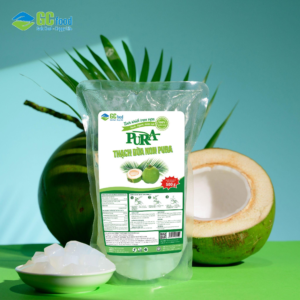
GC Food offers coconut jelly for both B2B and B2C needs, with flexible packaging and stable quality.
Final thoughts
Nata de Coco is more than a nostalgic snack – it is a versatile, low-calorie, fiber-rich ingredient that fits perfectly into today’s food and beverage trends. Whether enjoyed at home or incorporated into commercial drinks and desserts, quality always matters for both safety and overall consumer experience. By understanding how coconut jelly is made and choosing trusted suppliers like GC Food, consumers and businesses alike can enjoy this coconut jelly with confidence and peace of mind.