Megan Gibson: The Leading Journalist Shaping Global Affairs
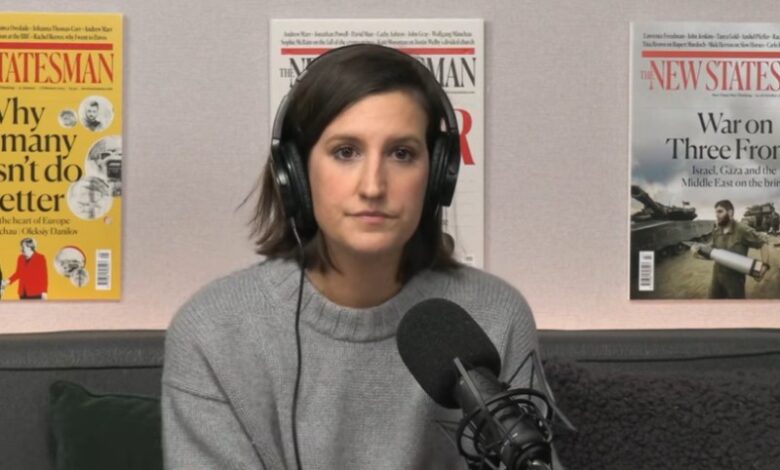
Megan Gibson has built a remarkable career as an influential journalist, widely known for her expertise in global affairs and her compelling coverage of international events. With over a decade of experience, she has become a prominent figure in the world of media, shaping discussions around politics, diplomacy, and culture through her insightful reporting. In this article, we delve into her career, achievements, and impact, exploring her work at some of the most renowned global publications and how her contributions continue to shape the journalism landscape.
Early Life and Education of Megan Gibson
Megan Gibson’s journey into the world of journalism began with her academic pursuits. She attended the University of Saskatchewan, where she earned a double honours degree in English and Political Studies. This rigorous educational background laid the foundation for her understanding of politics, culture, and societal dynamics, which would later inform her reporting. Gibson’s academic achievements were further recognised as she graduated with high honours in both subjects, underscoring her passion for and commitment to these fields.
Following her undergraduate studies, she pursued a Master’s in Journalism from the prestigious Columbia University Graduate School of Journalism. Here, she honed her skills in investigative and international reporting, gaining additional training in digital media and photography. This further refined her ability to present complex global issues in an engaging and accessible manner, helping her to stand out in the competitive world of journalism.
Megan Gibson’s Journalism Career
Time Magazine: The Beginning of a Distinguished Career
Megan Gibson’s professional journey began at TIME Magazine, where she worked as a writer from June 2010 to October 2015. Hired initially in New York, she later moved to London to expand her role. At TIME, she covered a wide array of topics, from arts and society to foreign affairs and politics. This early stage in her career allowed her to develop a keen sense of the global landscape, contributing to the magazine’s editorial voice with engaging stories that resonated with a wide audience.
During her time at TIME, Gibson not only wrote compelling articles but also contributed to the editorial process by commissioning and editing pieces. Her ability to weave together political analysis and human-interest storytelling set her apart from other journalists in the field.
Monocle: Foreign Affairs and Global Diplomacy
After her tenure at TIME, Gibson moved to Monocle, where she served as Foreign Editor from October 2015 to September 2021. At Monocle, she oversaw the publication’s foreign affairs coverage, commissioning and editing stories that focused on international relations, diplomacy, defence, and global politics. This period marked a significant turning point in her career as she expanded her expertise in foreign affairs and diplomacy, with a particular focus on the intersection between global politics and urbanism.
Through her work at Monocle, Gibson gained recognition for her ability to write thought-provoking articles that examined the impact of global trends on cities, communities, and societies at large. Her contributions to Monocle’s news podcasts and broadcasts further cemented her reputation as a leading voice in global affairs, offering insightful commentary on international issues.
Megan Gibson New Statesman: Leading International Coverage
In February 2022, Megan Gibson took on the role of Executive Editor, Foreign at New Statesman, one of the UK’s most respected political magazines. This position has allowed her to take a more central role in shaping the magazine’s editorial direction on international affairs. At New Statesman, Gibson writes, edits, and commissions pieces on global politics, providing readers with a nuanced understanding of international issues. Her work at New Statesman also extends to contributing to the magazine’s podcasts and video output, further amplifying her influence on the media landscape.
Her position at New Statesman has seen her continue to interview heads of state, high-profile politicians, and influential thinkers, adding to her impressive portfolio of sources. Her ability to report from key locations around the world, including Israel, the West Bank, Armenia, Iceland, Singapore, Estonia, and Ukraine, has made her a trusted journalist whose reports are widely cited and respected.
Megan Gibson’s Impact on Journalism
Megan Gibson’s career highlights her deep understanding of global affairs and her commitment to reporting on complex issues. Over the years, she has contributed to the wider discourse on international relations, offering informed perspectives on political, economic, and cultural developments. Her focus on global diplomacy, defence, and urbanism has made her a go-to expert for both journalists and policymakers seeking to understand international trends.
Her interviewing skills are another standout feature of her work. Interviewing heads of state and high-profile politicians is no easy feat, but Gibson has demonstrated a rare ability to extract meaningful insights from the world’s most powerful figures. This skill has made her reporting not only informative but also influential in shaping public opinion on key international issues.
Recognition and Awards
Megan Gibson’s dedication to journalism has not gone unnoticed. She received the prestigious Richard T. Baker Columbia News Service Award in June 2010, which recognises excellence in writing, particularly for style and lifestyle stories. This award, issued by Columbia University, further highlights Gibson’s ability to write engaging and impactful pieces, setting her apart as a top journalist in the field.
Megan Gibson’s Influence on Global Affairs Reporting
Through her work at TIME Magazine, Monocle, and New Statesman, Megan Gibson has significantly influenced the way global affairs are covered in the media. She brings a level of depth and analysis to her work that is often lacking in traditional news coverage, offering her readers a more nuanced understanding of complex international issues. Whether reporting on political developments in Ukraine or examining the role of cities in shaping global trends, Gibson’s reporting always prioritises both factual accuracy and insightful analysis.
Her contributions to podcasts and video content have also helped extend her influence, reaching a broader audience and bringing attention to important global issues that might otherwise be overlooked. Her work is a testament to the power of journalism to shape global conversations and inform public understanding.
Conclusion
Megan Gibson’s career is a testament to her commitment to high-quality journalism and her deep understanding of global affairs. From her early days at TIME Magazine to her current role at New Statesman, she has demonstrated an ability to report on complex issues with clarity and insight. Through her work, Gibson has established herself as one of the leading voices in international journalism, making significant contributions to the media landscape. Her career is a shining example of how journalism can help us better understand the world around us and shape the way we think about global issues.
With her ongoing work at New Statesman, it is clear that Megan Gibson’s impact on global affairs reporting will continue to be felt for many years to come.