Key Applications of Industrial Gases Across Modern Industrial Processes
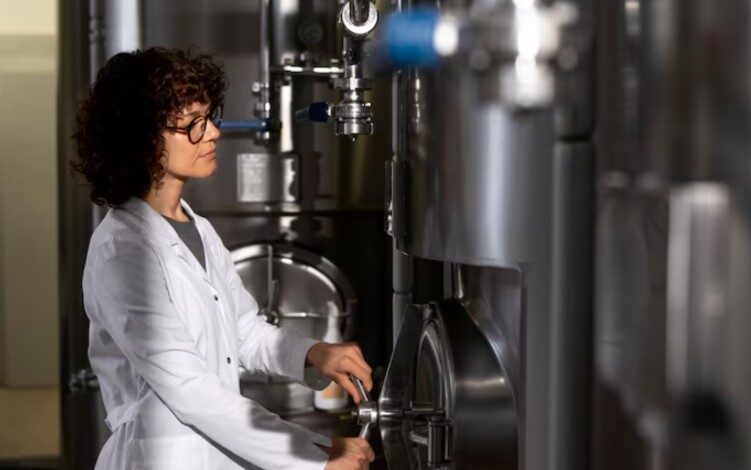
Industrial gases play a fundamental role in modern manufacturing, energy production, healthcare, food processing, and numerous other sectors. These gases are used to support chemical reactions, preserve products, improve production efficiency, enhance safety, and enable advanced technologies. Although often invisible within industrial operations, their contribution is essential to many of the processes that support modern economies.
Industrial gases can be categorized into several groups, including atmospheric gases such as oxygen, nitrogen, and argon; fuel gases such as propane and hydrogen; and specialty gases used in scientific, medical, and technological applications. Their unique physical and chemical properties make them indispensable across a wide range of industries.
As industries continue to pursue greater efficiency, sustainability, and product quality, the demand for industrial gases remains significant. Understanding their applications provides valuable insight into how modern industrial systems function and evolve.
The Importance of Industrial Gases in Manufacturing
Manufacturing processes often rely on industrial gases to create controlled environments, improve product consistency, and optimize production performance.
Many industrial operations require precise temperature control, oxidation prevention, or chemical stabilization. Industrial gases help achieve these conditions while supporting productivity and quality assurance.
In sectors such as automotive manufacturing, electronics production, metal fabrication, and chemical processing, gases are integrated into daily operations. Their use often reduces waste, improves energy efficiency, and supports compliance with environmental standards.
Supporting Process Optimization
Industrial gases frequently enable manufacturers to increase throughput while maintaining strict quality standards. By controlling atmospheric conditions and enhancing reaction efficiency, gases contribute to more reliable production outcomes.
Improving Workplace Safety
Certain gases are used to reduce combustion risks, control hazardous reactions, and create safer operating environments. Proper gas management is therefore an important component of industrial safety programs.
Oxygen Applications in Industrial Processes
Oxygen is one of the most widely used industrial gases. Its ability to support combustion and oxidation makes it valuable in numerous manufacturing and processing environments.
Metal Production and Fabrication
The steel industry uses oxygen extensively to increase furnace temperatures and remove impurities during refining processes. Oxygen-enhanced combustion improves efficiency and reduces fuel consumption.
Metal cutting and welding operations also benefit from oxygen because it enables higher flame temperatures and cleaner cuts.
Chemical Manufacturing
Many chemical production processes depend on oxidation reactions. Oxygen is used in the manufacture of various chemicals, including acids, solvents, and synthetic materials.
The introduction of controlled oxygen levels can improve reaction rates and increase production efficiency while reducing unwanted byproducts.
Wastewater Treatment
Industrial and municipal wastewater treatment facilities often use oxygen to support biological treatment systems. Higher dissolved oxygen levels enhance microbial activity, allowing contaminants to be broken down more effectively.
Nitrogen and Its Role in Industrial Operations
Nitrogen is highly valued because of its inert nature. Since it does not readily react with many substances, it is frequently used to create protective atmospheres.
Food Preservation
Food manufacturers use nitrogen to extend shelf life by reducing oxygen exposure. This helps slow oxidation and preserve flavor, texture, and nutritional quality.
Packaging systems commonly utilize nitrogen flushing to maintain product freshness and reduce spoilage.
Electronics Manufacturing
The electronics industry relies on nitrogen during soldering and assembly operations. Controlled nitrogen atmospheres help prevent oxidation and improve the reliability of electronic components.
As electronic devices become increasingly complex, maintaining contamination-free production environments becomes even more critical.
Chemical Storage and Transportation
Nitrogen is often used for tank blanketing, where it displaces oxygen and moisture from storage vessels. This reduces the risk of product degradation, fire hazards, and contamination.
Argon in Precision Manufacturing
Argon is another inert gas that serves important functions in industries requiring controlled environments and high-quality material processing.
Welding Applications
Argon is widely used as a shielding gas during welding operations. It protects molten metal from atmospheric contamination, resulting in stronger and cleaner welds.
Industries such as aerospace, automotive manufacturing, and heavy equipment production frequently depend on argon-assisted welding techniques.
Metal Processing
Specialized metal production processes use argon to prevent unwanted reactions at elevated temperatures. This helps manufacturers achieve superior material properties and consistent product quality.
Semiconductor Production
The semiconductor industry requires extremely clean manufacturing conditions. Argon helps create stable environments where sensitive electronic components can be fabricated with high precision.
Hydrogen as an Emerging Industrial Gas
Hydrogen has gained increasing attention due to its versatility and potential role in industrial decarbonization efforts.
Refining Operations
Hydrogen is essential in petroleum refining processes, where it helps remove impurities and improve fuel quality.
Hydrotreating and hydrocracking operations rely on hydrogen to produce cleaner and more efficient fuel products.
Chemical Synthesis
Hydrogen serves as a key raw material in the production of ammonia, methanol, and numerous other industrial chemicals.
These chemicals support agriculture, manufacturing, transportation, and many other sectors.
Energy Applications
Hydrogen is increasingly being explored as an energy carrier capable of supporting low-carbon industrial operations. Ongoing research and infrastructure development continue to expand its potential applications.
Carbon Dioxide in Industrial Systems
Although often discussed in environmental contexts, carbon dioxide has many practical industrial applications.
Beverage Production
Carbon dioxide provides carbonation in soft drinks, sparkling water, and other beverages. Consistent gas quality helps manufacturers maintain product uniformity.
Food Processing
Food producers use carbon dioxide for refrigeration, freezing, and packaging applications. These processes help preserve product quality and extend shelf life.
Fire Suppression
Certain fire protection systems utilize carbon dioxide because it can displace oxygen and suppress combustion in specific industrial environments.
Industrial Gases in Surface Preparation and Cleaning
Surface preparation is an essential step in many industrial processes. Specialized gas-based technologies can improve cleaning effectiveness while minimizing environmental impact.
Dry Ice Blasting Technologies
One notable example is tørrisblåsing, a cleaning method that uses solid carbon dioxide particles to remove contaminants from machinery, production equipment, and industrial surfaces. Unlike some traditional abrasive methods, dry ice blasting often leaves little secondary waste and can reduce downtime during maintenance operations.
Precision Cleaning Applications
Gas-assisted cleaning techniques are widely used in industries where contamination control is critical, including food processing, electronics manufacturing, and pharmaceutical production.
Fuel Gases and Industrial Heating
Fuel gases provide energy for numerous industrial applications that require high temperatures and controlled heating environments.
Industrial Furnaces
Manufacturing facilities often rely on fuel gases to power furnaces used in metal processing, ceramics production, and glass manufacturing.
These gases support stable combustion conditions and efficient thermal management.
Automated Heating Systems
Modern industrial facilities increasingly utilize automated fuel management technologies to improve operational efficiency. In some regions, systems associated with propan automat solutions help manage propane distribution and consumption within industrial environments, contributing to process consistency and energy optimization.
Industrial Gases and Environmental Sustainability
Industrial gases are playing an increasingly important role in sustainability initiatives across multiple sectors.
Improving Energy Efficiency
Many gas-assisted technologies enable manufacturers to achieve higher productivity with lower energy consumption. Enhanced combustion systems, optimized chemical reactions, and efficient thermal processes can all contribute to reduced resource use.
Supporting Emissions Reduction
Certain industrial gases help improve process efficiency, reducing overall emissions per unit of production. Additionally, carbon capture technologies often rely on gas separation and purification techniques.
Enabling Advanced Manufacturing
Emerging manufacturing methods, including additive manufacturing and advanced materials production, frequently depend on carefully controlled gas environments. These technologies support innovation while improving resource efficiency.
Future Trends in Industrial Gas Applications
The future of industrial gases will likely be shaped by technological advancement, sustainability goals, and increasing industrial automation.
Growing demand for cleaner production methods is encouraging the development of new gas applications that reduce waste, improve energy efficiency, and lower environmental impact. Digital monitoring systems, advanced gas separation technologies, and expanded hydrogen infrastructure are expected to play important roles in this transition.
Industries are also investing in more precise process controls that depend on high-purity gases and sophisticated delivery systems. As manufacturing becomes increasingly automated, industrial gases will continue to support productivity, quality, and operational reliability.
Conclusion
Industrial gases are essential components of modern industrial processes. From oxygen in steelmaking and wastewater treatment to nitrogen in food preservation, argon in welding, hydrogen in chemical production, and carbon dioxide in refrigeration and cleaning applications, these gases support a vast range of economic activities.
Their ability to improve efficiency, enhance product quality, increase safety, and support sustainability initiatives makes them indispensable across numerous industries. As technology continues to advance and industrial processes become more sophisticated, the importance of industrial gases is expected to grow, reinforcing their role as a cornerstone of modern manufacturing and industrial development.