How to Replace Roof Ridge Tiles Safely Step-by-Step
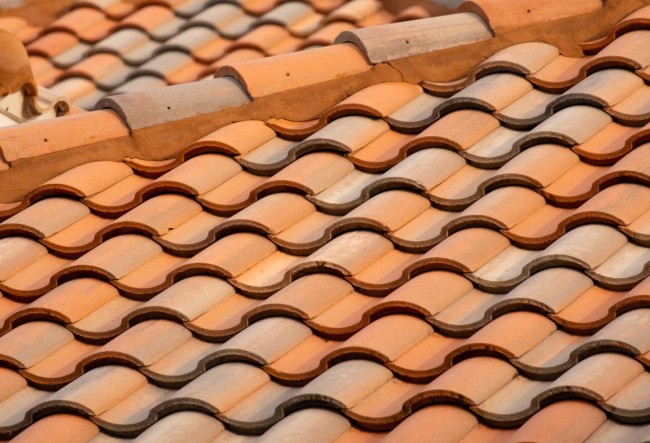
Roof ridge tile replacement is a deceptively easy task when you’re looking up at it from below. However, once you’re up there you soon realise how precarious (and technical) it is. Ridge tiles are exposed to the elements year on year and will eventually need replacing. If you have a solid plan you can:
- Stop leaks before they spread
- Avoid expensive structural damage
- Keep your family and neighbours safe
And do it without taking a trip to A&E.
Here’s how to do it…
Why Ridge Tiles Fail In The First Place
Ridge tiles are located on top of your roof. As a result they receive more punishment than any tile on the premises. Rain, wind, frost and UV rays batter and degrade mortar over time. Eventually mortar deteriorates, tiles become loose and one good gust of wind will send them flying.
This is a much bigger problem than most homeowners realise. Each year over a million UK homes suffer roof damage due to high winds — ridge tiles are often the first victim. Falling ridge tiles can cause serious injury to those below. They’re heavy and have sharp edges.
It’s probably a good idea to know the ridge tile replacement cost before getting up there. That way, you can make an educated decision on whether replacing roof ridge tiles is a DIY job or if a professional should do the work on your home. There are times when it’s best to leave certain jobs to the professionals — like on very steep roofs or roofs higher off the ground.
The most common reasons ridge tiles fail include:
- Cracked or crumbling mortar — caused by winter freeze-thaw cycles
- Loose or slipped tiles — usually after high winds or storms
- Old age — mortar bedding generally lasts 20-30 years
- Poor installation — bad workmanship from a previous repair
Seeing little pieces of mortar in your gutter can be the first clue. Pay attention!
Safety Gear You Absolutely Need
Let’s talk safety — because this is where most DIYers get it wrong. Roofing is considered one of the UK’s most hazardous occupations. Falls from height account for 30% of all construction fatalities in the UK. Those are professional tradesmen with years of experience under their belt. If you’re a homeowner who is considering clambering up the roof to do a “quick job”, please read this paragraph again.
You wouldn’t drive a car without a seatbelt, right?
Same principal applies here. Before working on a ridge tile you must have appropriate safety equipment available.
Here’s the minimum you should have-
- A scaffold tower or roof scaffolding (NOT just a ladder)
- A roof ladder that hooks securely over the ridge
- A safety harness with an anchor point
- Non-slip work boots with good grip
- Heavy-duty gloves and safety glasses
- A hard hat for anyone helping on the ground
Don’t skip any of these steps. Look at the weather forecast first. Rainy tiles, frost or high winds can send you to the hospital instead of finishing that simple repair.
Step-By-Step Ridge Tile Replacement
When the scaffolding is erected and safety equipment is on board, you are all set. The process is really quite simple.
Let’s break it down…
Remove The Old Ridge Tile
Chip away at the old mortar with a hammer and chisel. Slowly work around the bad tile. Be careful — you don’t want to chip your other tiles. Remove loose mortar until the ridge tile lifts away. Tap if necessary until it lifts away easily.
Carefully lower the old tile out of the way. DO NOT THROW IT!!! A tile falling from roof level can cause severe damage. Bucket on rope or toss to a ground buddy.
Clean The Area
Scrub all the old mortar off the ridge board and the neighbouring tiles with a wire brush. The cleaner the surface, the better the new mortar will adhere to it. This is the step most DIYers cut corners on — and that’s why their repair crumbles 2 years later.
Mix Your Mortar
When laying ridge tiles you want a strong mortar mix. A ratio of 3 shovels sharp sand to 1 shovel cement is great. Also add a plasticiser to improve workability and weather resistance. Consistency should be moist enough to spread, but firm enough to hold its shape. If it is too dry it will not adhere. If it is too wet it will slump.
Bed The New Ridge Tile
Bed a thick layer of mortar (approx. 50mm) along each side of the ridge board. Set the new ridge tile into position and gently push down. Shoulder it into position making sure it lines up with the course of ridge tiles next to it. Check with a spirit level again.
Point The Joints And Let It Cure
Use a pointing trowel to tool the mortar joints between the new tile and adjacent tiles. The mortar should be even with the edges of the tile — not overfilling the space and not too low. Just walk away. Mortar takes 24-48 hours to dry before being able to withstand rain. Consider this.
Common Mistakes To Avoid
With the best will in the world, sometimes DIY jobs replacing roof ridge tiles can go wrong. Here are the most common DIY Don’ts for homeowners…
Using The Wrong Mortar Mix
Poor quality mortar won’t withstand British weather. Always use sharp sand not building sand. Add a waterproofing plasticiser.
Skipping The Cleaning Step
If you fail to remove all the old mortar, the new mortar will not adhere. Your repair will fall out in a couple of seasons.
Working In Bad Weather
Wet, windy or icy conditions are hazardous when working on ridge tiles. Wait for a fine day.
Ignoring The Neighbouring Tiles
If one ridge tile has failed the others locally will likely follow. Take a look at them all while up there.
Doing It Without Scaffolding
Resting a ladder on the gutter does NOT count. Get actual access to the roof. Period.
Final Thoughts
Replacing roof ridge tiles can be a DIY task — if you take safety precautions seriously. If not…you risk:
- A serious fall — and the medical bills that come with it
- A failed repair — meaning you’ll be back up there next year
- Roof damage — roofs cost more to repair than the issue may have cost you
Following the steps above will allow you to achieve a clean repair that lasts a long time and keeps protecting your home for years to come. Steps to review:
- Inspect your ridge tiles regularly for cracks and loose mortar
- Set up proper scaffolding and safety gear before you start
- Remove the old tile carefully and clean the surface thoroughly
- Use a strong 3:1 mortar mix to bed and point each tile
- Let it cure before exposing it to rain
If the task seems unsafe — or the roof is too steep or inaccessible — don’t hesitate to hire help. You shouldn’t learn these lessons the hard way on your ridge tiles.