George Eaton: The Influential Voice Shaping Modern British Political Journalism
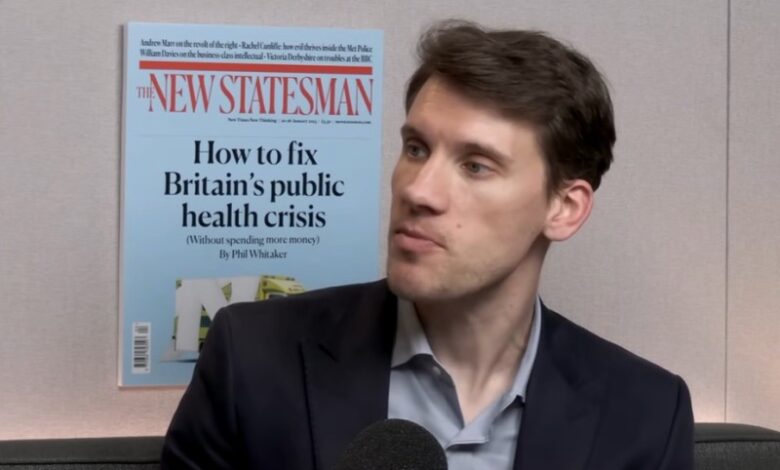
George Eaton has become one of the most recognisable and respected figures in contemporary UK political journalism. With a career spanning more than fifteen years, he has built a reputation as a sharp editor, insightful writer, and authoritative broadcaster. His work sits at the intersection of politics, media, and public debate, making him a key voice for understanding Westminster and the wider political landscape.
Currently serving as Senior Editor (Politics) at the New Statesman, he plays a central role in shaping how political stories are reported, analysed, and interpreted for a broad national audience. Through his writing, interviews, and media appearances, he has influenced how political events are framed and understood across the United Kingdom.
George Eaton New Statesman Career Overview
The professional journey of George Eaton is closely tied to the New Statesman, one of Britain’s most established political and cultural magazines. His career there began in 2009, and over the years he has progressed through a wide range of editorial roles. This long-term association reflects both his commitment to the publication and the trust placed in him by its leadership.
In January 2024, he was appointed Senior Editor (Politics), a role that places him at the heart of the magazine’s political coverage. In this position, he co-leads the Westminster lobby team, helping to set editorial priorities and ensuring that political reporting remains accurate, rigorous, and relevant.
Editorial Leadership and Influence
As a senior editor, George Eaton is not only responsible for his own writing but also for guiding other journalists. He contributes features, interviews, columns, and leaders, while also overseeing political strategy across digital and print platforms. His editorial leadership has helped maintain the New Statesman’s reputation as a serious, independent voice in British political debate.
One of his most notable responsibilities is authoring the Morning Call politics newsletter, which reaches tens of thousands of subscribers. This daily briefing has become an essential read for politicians, journalists, and policy professionals who want a clear and informed overview of the day’s political developments.
George Eaton as a Political Interviewer and Commentator
High-Profile Political Interviews
A defining feature of George Eaton’s work is his ability to conduct in-depth, thoughtful interviews with leading political figures. Over recent years, he has spoken with senior cabinet ministers and influential thinkers, drawing out perspectives that go beyond standard political messaging.
His interview style is known for being well-prepared, analytical, and fair, allowing readers to gain genuine insight into the priorities and thinking of those in power. This approach has strengthened his credibility as a journalist who values substance over spectacle.
Broadcast Media Presence
Beyond print and digital journalism, George Eaton is a familiar face and voice on British broadcast media. He regularly appears as a political commentator on BBC News and Sky News, as well as on respected radio programmes such as Today, Newsnight, and PM.
These appearances reflect his standing as a trusted analyst capable of explaining complex political issues clearly and calmly. His commentary often bridges the gap between insider political knowledge and public understanding, making him accessible to a wide audience.
George Eaton Age, Background, and Education
Born on 27 November 1986, George Eaton is currently 39 years old. Despite his relatively young age, he has already achieved a level of influence that many journalists reach only later in their careers. This is largely due to his early start in political journalism and his steady progression through senior editorial roles.
Academic Foundations at the University of Warwick
His academic background has played an important role in shaping his analytical approach to journalism. He studied History and Politics at the University of Warwick between 2005 and 2008, graduating with a first-class degree.
This academic training provided him with a strong grounding in political theory, historical context, and critical analysis. These skills are evident in his writing, which often situates current political events within a broader historical and ideological framework.
George Eaton’s Writing Beyond the New Statesman
Contributions to National Publications
In addition to his work at the New Statesman, George Eaton has contributed to other major British newspapers, including The Times, The Sunday Times, and the Evening Standard. These contributions have allowed him to reach different audiences while maintaining a consistent voice rooted in careful analysis and informed commentary.
His writing style is clear, authoritative, and measured, avoiding sensationalism while still engaging readers. This balance has helped him earn respect across the political spectrum.
Authorship and Long-Form Work
George Eaton is also the author of “Sadiq Khan: A Biography,” published in 2017. The book offers a detailed examination of the London mayor’s political journey and leadership style, further demonstrating Eaton’s ability to handle long-form political analysis.
This work highlighted his capacity to move beyond daily journalism and engage deeply with a single subject, reinforcing his reputation as a serious political writer.
George Eaton Twitter and Digital Influence
Social media plays an increasingly important role in modern journalism, and George Eaton Twitter activity reflects his engagement with this space. Under the handle @georgeeaton, he shares political analysis, commentary, and updates related to his work.
With a following exceeding one hundred thousand, his presence on the platform amplifies his influence and allows him to participate directly in real-time political discussion. His posts often combine breaking news with thoughtful context, making them widely shared and discussed.
Digital Journalism and Audience Engagement
Beyond social media, George Eaton’s work demonstrates a strong understanding of digital journalism. From newsletters to online features, he has adapted traditional political reporting to suit modern reading habits without sacrificing depth or accuracy.
This ability to connect with readers across platforms has been a key factor in his continued relevance and success in a rapidly changing media environment.
Professional Experience Before Senior Editorship
Early Roles and Career Development
Before becoming Senior Editor (Politics), George Eaton held several important positions within the New Statesman, including Political Editor, Deputy Editor, Assistant Editor, and Editor of The Staggers blog. Each role added to his editorial experience and deepened his understanding of political reporting.
His early career also included a graduate trainee role at PoliticsHome, which helped him gain practical insight into Westminster reporting at the start of his professional journey.
A Consistent Rise Through Merit
What stands out in his career progression is its consistency. Rather than frequent job changes, George Eaton’s rise has come through long-term contribution and demonstrated expertise. This stability has allowed him to develop institutional knowledge and a strong professional network within British political journalism.
Conclusion
George Eaton represents a modern model of political journalism: informed, responsible, and adaptable. Through his editorial leadership at the New Statesman, his high-profile interviews, and his presence across broadcast and digital media, he has helped shape how political news is communicated in the UK.
From his academic foundations to his current role as Senior Editor (Politics), his career reflects a commitment to clarity, accuracy, and thoughtful analysis. As political debate continues to evolve, George Eaton’s voice remains an important guide for readers seeking insight into Britain’s political life.
His work not only reports on politics but also contributes to a deeper public understanding of power, policy, and democratic responsibility in the United Kingdom.