Boiler Repair vs Replacement: Which Option Is Better for Your Heating System?
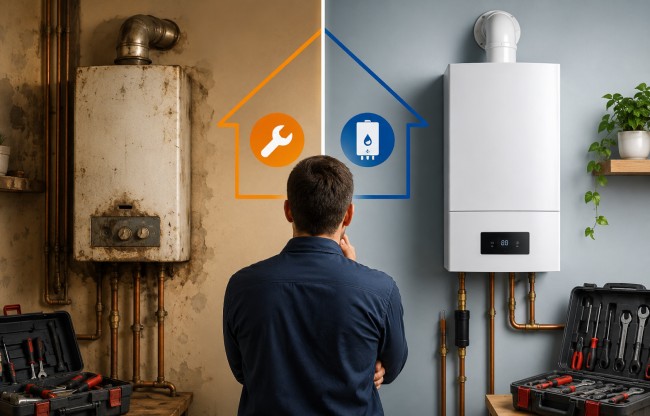
A boiler is one of the most important systems in any home. It keeps your property warm, provides hot water, and helps maintain comfort throughout the year. But when problems start appearing, many homeowners face the same difficult question: should you repair the boiler or replace it completely?
The answer is not always straightforward. Some boiler issues can be fixed quickly and affordably, while others may indicate that the system is reaching the end of its lifespan. Understanding the difference can help you avoid unnecessary expenses and make the best long-term decision for your home.
For homeowners looking for additional guidance on heating system repairs, see more on boiler repair options and discover the most effective solutions for common boiler problems. The right choice often depends on factors such as the boiler’s age, repair history, efficiency, and overall condition. That is why many homeowners trust 0800 Homefix for expert advice and reliable heating support across London.
When Boiler Repairs Make Sense
In many situations, repairing a boiler is the most practical and cost-effective solution. Modern boilers are built to last for years, and many faults are relatively minor when caught early.
Common repairable issues include:
- Low boiler pressure
- Faulty thermostats
- Broken pumps
- Ignition problems
- Frozen condensate pipes
- Minor leaks
- Air trapped in radiators
These faults can often be resolved without replacing the entire system. Professional engineers can diagnose the issue, replace damaged components, and restore proper heating performance quickly. Reliable boiler repair solutions are especially valuable when the boiler is still relatively modern and otherwise operating efficiently.
The Age of Your Boiler Matters
One of the biggest factors when deciding between repair and replacement is the age of the boiler. A newer boiler that develops a single fault is usually worth repairing. However, older systems may become less reliable over time as internal components wear out.
Most boilers typically last between 10 and 15 years depending on maintenance, usage, and overall condition. Once a boiler reaches this stage, recurring breakdowns often become more common.
Older boilers may also struggle with:
- Reduced efficiency
- Higher energy consumption
- Difficulty finding replacement parts
- Inconsistent heating
- Increased repair frequency
At some point, continued repairs may cost more than investing in a newer, more efficient system.
Rising Energy Bills Can Be a Warning Sign
Many homeowners focus only on repair costs without considering long-term energy efficiency. An older boiler often works much harder to produce the same amount of heat, which can gradually increase utility bills. If your heating costs continue rising despite normal usage, the boiler may no longer be operating efficiently.
Modern heating systems are designed to use less energy while delivering improved performance. In some cases, replacing an outdated boiler can reduce monthly heating expenses significantly over time. While replacement involves a larger upfront investment, the long-term savings can make it worthwhile for many households.
Frequent Breakdowns Usually Indicate Deeper Problems
Occasional boiler repairs are normal, especially as systems age. However, repeated breakdowns within a short period often suggest deeper internal wear. If you find yourself calling engineers several times a year, it may be time to reconsider whether ongoing repairs are still financially sensible.
Some common signs that replacement may be the better option include:
- Constant repair visits
- Repeated pressure issues
- Inconsistent hot water
- Strange noises returning after repairs
- Difficulty sourcing replacement parts
- Increasing repair bills
These situations often create ongoing stress and inconvenience for homeowners, particularly during winter months.
Comparing Repair Costs with Replacement Costs
One of the most important parts of the boiler repair vs replacement decision is understanding the financial difference between short-term and long-term costs. Repairs are usually more affordable initially. However, repeated repairs on an ageing system can eventually add up quickly.
When comparing options, homeowners should consider:
- The age of the current boiler
- Total repair costs over the past few years
- Future repair likelihood
- Energy efficiency savings
- Manufacturer warranty availability
- Long-term reliability
A professional heating engineer can help assess whether repairing the existing system still offers reasonable value.
Emergency Breakdowns Create Additional Stress
Boiler failures rarely happen at convenient times. Many breakdowns occur during winter when heating demand is highest. In emergency situations, homeowners often need quick decisions regarding repairs or replacement. Reliable emergency boiler repair options can help restore heating quickly while allowing time to evaluate the long-term condition of the system properly.
Fast professional support is particularly important when families are left without heating or hot water during cold weather. Emergency engineers can often provide temporary repairs while advising whether the boiler remains suitable for continued use.
Modern Boilers Offer Better Efficiency and Comfort
Newer boilers provide several advantages beyond lower energy bills. Many modern systems are quieter, more compact, and more environmentally friendly than older models.
Modern heating systems may also offer:
- Faster heating response
- Improved temperature control
- Better reliability
- Lower carbon emissions
- Smart thermostat compatibility
- Quieter operation
For homeowners planning to stay in their property long-term, replacing an outdated system may improve overall comfort and peace of mind.
Regular Servicing Helps Delay Replacement
One of the best ways to avoid expensive boiler replacement is through regular maintenance. Annual servicing helps identify small faults early before they develop into larger problems.
Routine servicing can help:
- Improve boiler lifespan
- Maintain efficiency
- Reduce breakdown risk
- Protect manufacturer warranties
- Keep heating performance stable
Well-maintained boilers often last significantly longer than neglected systems.
Professional Advice Helps You Make the Right Choice
Every heating system is different, which is why professional guidance matters so much. A qualified engineer can assess the boiler’s condition honestly and explain whether repair or replacement offers better long-term value. Rather than making rushed decisions during stressful breakdowns, homeowners benefit from clear recommendations based on the boiler’s actual performance and repair history. The right decision should balance cost, efficiency, reliability, and future comfort.
Smart Heating Decisions Protect Your Home and Budget
Choosing between boiler repair and replacement is not always easy, but making the right decision can save money, improve comfort, and reduce future stress. In many cases, repairs remain the most practical option for newer or well-maintained systems. However, older boilers with recurring faults may eventually become more expensive to maintain than replace.
Understanding the warning signs and seeking professional advice early helps homeowners make informed choices with confidence. With experienced engineers, trusted heating expertise, and reliable support across London, 0800 Homefix continues to help homeowners find practical heating solutions that keep their homes warm, efficient, and comfortable all year round.
FAQs
1.How do I know if my boiler should be repaired or replaced?
The decision usually depends on the boiler’s age, repair history, efficiency, and the severity of the current fault.
2. Is repairing a boiler cheaper than replacing it?
Repairs are often cheaper initially, but repeated breakdowns on older systems can become more expensive over time.
3. How long should a boiler typically last?
Most boilers last between 10 and 15 years when properly maintained with regular servicing and timely repairs.
4. Can a new boiler lower energy bills?
Yes. Modern boilers are generally more energy efficient and may reduce heating costs compared to older systems.
5. What are common signs a boiler needs replacing?
Frequent breakdowns, rising energy bills, inconsistent heating, and expensive recurring repairs often indicate replacement may be necessary.
6. Should I replace my boiler during an emergency breakdown?
Not always. Emergency engineers can often provide temporary repairs while helping you assess the boiler’s long-term condition properly.