Coworking Noise Solutions: How to Measure & Fix Echo
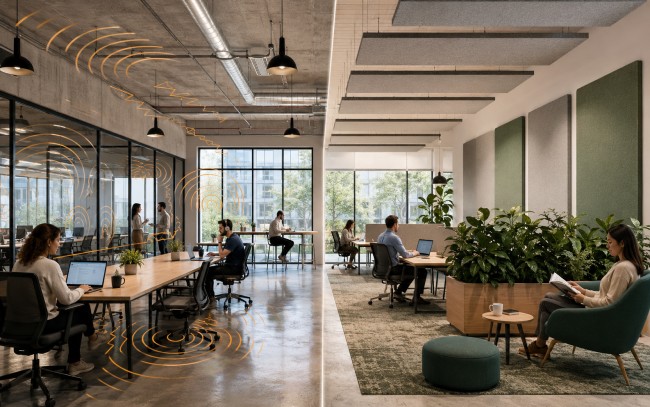
Coworking spaces have transformed the way people work. Freelancers, startups, and remote teams enjoy flexible work environments that encourage collaboration and creativity. However, these open layouts often come with one major challenge—noise.
Echo, excessive reverberation, and constant background conversations can quickly turn an inspiring workspace into a distracting one. Employees may struggle to concentrate during important tasks, while meetings become difficult to follow due to poor speech clarity.
Fortunately, improving acoustics doesn’t always require expensive renovations. By understanding how echo develops and applying the right solutions, any coworking space can become quieter, more comfortable, and significantly more productive.
This guide explains how to measure echo, identify common acoustic problems, and implement practical solutions that make a noticeable difference.
Why Echo Is a Problem in Coworking Spaces
Echo occurs when sound waves bounce repeatedly off hard surfaces instead of being absorbed. Modern coworking spaces typically feature:
- Concrete ceilings
- Glass walls
- Hardwood or polished floors
- Large open layouts
- Minimal soft furnishings
While these elements create a modern aesthetic, they also reflect sound rather than absorb it.
The result includes:
- Poor speech intelligibility
- Constant background noise
- Reduced concentration
- Employee fatigue
- Lower productivity
- Difficult video calls
Over time, excessive noise can affect employee satisfaction and even increase workplace stress.
What Causes Echo?
Several design features contribute to poor acoustics.
Hard Reflective Surfaces
Glass partitions, exposed brick, concrete, and metal surfaces reflect sound instead of absorbing it.
High Ceilings
The higher the ceiling, the longer sound travels before dissipating, creating noticeable reverberation.
Open Floor Plans
Without walls separating different activities, conversations travel freely across the workspace.
Lack of Acoustic Materials
Spaces without carpets, acoustic panels, upholstered furniture, or ceiling treatments have very little sound absorption.
How to Measure Echo in Your Workspace
Before fixing the problem, it’s important to understand how severe it is.
1. Perform the Clap Test
One of the easiest methods is the simple clap test. Stand in different areas of the office and clap your hands once. If the sound lingers or produces a ringing effect, the space likely has excessive reverberation. Although basic, this provides an immediate indication of acoustic performance.
2. Measure Reverberation Time (RT60)
Professionals typically measure echo using RT60—the time required for sound to decrease by 60 decibels after the source stops.
General recommendations include:
- Small meeting rooms: 0.4–0.6 seconds
- Open offices: 0.5–0.8 seconds
- Coworking lounges: below 0.8 seconds
Longer reverberation times usually indicate poor acoustic control.
3. Use Smartphone Apps
Several mobile applications estimate room acoustics using your phone’s microphone. Although they aren’t as accurate as professional equipment, they provide useful baseline measurements when evaluating improvements.
4. Observe Everyday Communication
Sometimes the best indicator is employee experience.
Watch for common complaints such as:
- “I can’t hear during meetings.”
- “Everyone sounds louder than they are.”
- “Video calls are difficult.”
- “I need headphones to concentrate.”
Frequent complaints often indicate acoustic issues that deserve attention.
The Most Effective Ways to Fix Echo
Once you’ve identified the problem, several solutions can dramatically improve the workspace.
Install Acoustic Wall Panels
One of the most effective methods is adding acoustic wall panels to reflective surfaces. These panels absorb sound waves instead of allowing them to bounce around the room.
Benefits include:
- Reduced reverberation
- Better speech clarity
- Improved meeting quality
- Enhanced workplace comfort
- Modern decorative appearance
Strategically placing panels near meeting spaces, collaboration zones, and long walls typically delivers the greatest improvement.
Add Ceiling Acoustic Treatments
Large ceilings often contribute significantly to echo. Acoustic ceiling baffles, suspended rafts, or ceiling panels absorb sound before it reflects downward.
This approach is especially valuable for:
- Open-plan offices
- Shared workspaces
- Reception areas
- High-ceiling coworking hubs
Introduce Soft Furnishings
Furniture also affects acoustics.
Consider adding:
- Upholstered seating
- Area rugs
- Fabric partitions
- Curtains
- Cushioned booths
Soft materials naturally absorb sound while making the environment feel warmer and more inviting.
Create Quiet Zones
Not every activity requires collaboration. Designating quiet work areas helps separate focused work from social interaction.
These spaces should include:
- Acoustic treatments
- Comfortable seating
- Lower occupancy
- Minimal interruptions
Employees benefit from having environments suited to different work styles.
Rearrange Furniture
Simple layout changes can significantly improve sound distribution. Large bookshelves, planters, and storage units help interrupt sound paths while naturally dividing open spaces. Instead of allowing sound to travel uninterrupted across the office, furniture creates barriers that reduce overall noise levels.
Choosing Sustainable Acoustic Improvements
Modern businesses increasingly prioritize environmentally responsible design. Many organisations now choose eco-friendly office acoustic solutions made from recycled or sustainable materials. These products not only improve sound quality but also support broader sustainability goals.
Advantages include:
- Lower environmental impact
- Recyclable materials
- Long product lifespan
- Healthier indoor environments
- Improved workplace aesthetics
Combining acoustic performance with sustainable design benefits both employees and the environment.
Best Practices for Better Office Acoustics
Small improvements often produce significant results.
Follow these best practices:
- Identify the noisiest areas first.
- Measure acoustics before making changes.
- Prioritize wall and ceiling treatments.
- Balance collaboration spaces with quiet zones.
- Use furniture to reduce sound travel.
- Add soft materials wherever practical.
- Review acoustic performance regularly as office layouts change.
Taking a phased approach often delivers excellent results without major disruption.
Common Mistakes to Avoid
Many businesses invest in office design without considering acoustics. Avoid these common mistakes.
Ignoring the Ceiling
Walls alone cannot solve every acoustic problem. Large reflective ceilings often require dedicated treatment.
Installing Too Few Panels
A single panel rarely solves echo. Effective acoustic design depends on sufficient coverage across the space.
Focusing Only on Appearance
Minimalist interiors may look attractive but often create excessive reverberation. Balance design with functionality.
Forgetting Meeting Rooms
Conference rooms frequently suffer from poor speech clarity. Acoustic treatment in these areas improves both in-person and virtual meetings.
Waiting Until Employees Complain
It’s easier and less expensive to address acoustic issues early than after productivity has already declined.
The Long-Term Benefits of Better Acoustics
Improving office acoustics offers more than quieter spaces.
Businesses often experience:
- Greater employee productivity
- Better concentration
- Clearer communication
- More successful meetings
- Reduced stress
- Higher employee satisfaction
- Improved client impressions
As hybrid work continues to grow, acoustic quality has become an essential part of workplace design rather than a luxury.
Conclusion
Echo is one of the biggest challenges facing modern coworking spaces, but it is also one of the easiest to improve with the right strategy. By measuring reverberation, identifying reflective surfaces, and introducing effective sound-absorbing materials, businesses can transform noisy environments into productive workplaces.
Whether through acoustic wall treatments, ceiling solutions, better furniture placement, or sustainable acoustic products, every improvement contributes to a workspace where people can communicate clearly, focus more effectively, and enjoy a healthier working environment. Investing in good acoustics panels is ultimately an investment in employee wellbeing, collaboration, and long-term business success.