Laura Hackett: The Literary Editor Bringing Sharp Judgement to British Books Journalism
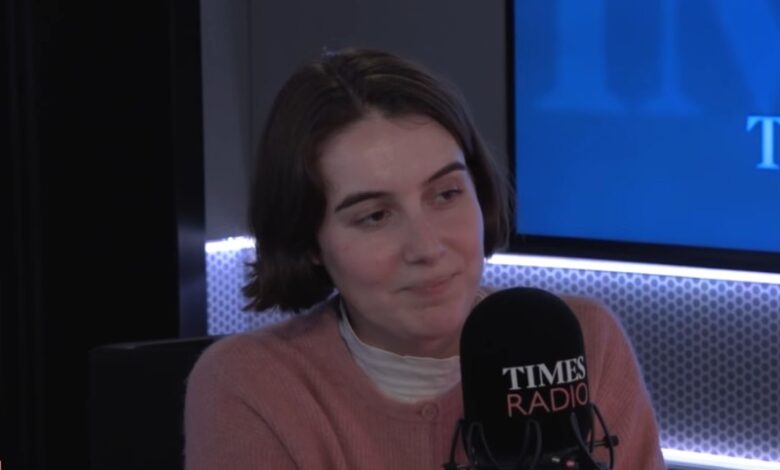
Laura Hackett is a British literary journalist, critic, and editor known for her work with The Times and The Sunday Times. She holds the role of Deputy Literary Editor and Fiction Editor, a position that places her close to the centre of British books coverage. Her work sits in a space where serious reading, cultural taste, clear judgement, and strong editorial care all meet.
In a media world filled with fast headlines and short attention spans, her career stands out for its close link with books, criticism, authors, archives, and literary culture. She is not simply a journalist who writes about books. She is part of a wider literary conversation that shapes how new fiction, memoir, essays, and cultural works are introduced to a broad audience.
Her path has moved through Oxford study, student journalism, archive work, literary reviewing, and national newspaper editing. This mix gives her career a strong base. It also explains why her voice carries weight in the books world.
Early Life and Academic Background of Laura Hackett
Detailed personal background about Laura Hackett has not been widely shared in trusted professional sources. What is clear is that her academic journey was strongly shaped by literature. She studied at the University of Oxford, one of the world’s leading centres for English studies.
She completed a Bachelor of Arts in English Language and Literature from 2016 to 2019. She achieved a First, which shows high academic performance. After that, she continued at Oxford for a Master of Studies in English 1550–1700 from 2019 to 2020. She completed that degree with Distinction.
Laura Hackett at the University of Oxford
Oxford played an important role in her development as a critic and editor. English study at Oxford involves close reading, strong argument, essay writing, and deep engagement with literary history. Her focus on English 1550–1700 also connects her to early modern literature, including Shakespeare and Renaissance writing.
This academic base can be seen in the kind of work she later produced. Her writing often carries close attention to language, structure, literary tradition, and cultural meaning. She does not treat books as products only. She treats them as works of thought, style, memory, and human feeling.
Awards During Her Student Years
Her student years brought clear recognition. She won the Charles Oldham Shakespeare Prize at Oxford for strong work connected to Shakespeare. This prize reflects a high level of achievement in literary study.
She also won Student Critic of the Year through the BBC Radio 4 Today Programme’s student journalism awards. This award recognised her ability to write criticism with insight and confidence. As part of that success, she gained work experience with the Today programme, where she researched stories, followed leads, prepared briefs, contacted interviewees, and contributed to cultural journalism.
These early achievements helped build the foundation for her later move into professional literary media.
Laura Hackett’s Early Work in Archives and Literature
Before becoming a national newspaper books editor, Laura Hackett gained experience in archives. This part of her career is important because it shows her interest in literary history, not only modern publishing.
She worked as an Archives Intern at the Bodleian Libraries, University of Oxford, in 2018. During this period, she helped rebox and recatalogue the Wilfred Owen archive. Wilfred Owen is one of the most important poets of the First World War, and archive work connected to him carries real literary value.
Work on the Wilfred Owen Archive
Her archive work involved careful organisation, cataloguing, and preservation. This kind of task demands patience, accuracy, and respect for original material. It also helps researchers gain better access to letters, manuscripts, and related documents.
Her work on the Wilfred Owen archive shows a side of her career that is deeper than book reviewing. It shows a practical connection with the preservation of literary memory. That background gives her a richer understanding of how writers, texts, and historical records live beyond their first publication.
She later worked as an Archives Assistant at Brasenose College, Oxford. In that role, she dealt with enquiries from the public, catalogued new acquisitions, and updated archive condition records. These duties required both communication skills and close attention to detail.
Student Journalism and Editorial Growth
Laura Hackett was also active in student journalism. She worked with The Oxford Review of Books, a longform cultural review based in Oxford. Her role involved writing, editing, commissioning, copy-editing, and working on magazine production.
The Oxford Review of Books
As editor, she helped guide writers and sub-editors through the drafting process. She also worked with InDesign, followed style rules, organised events, supported marketing, and helped raise funds to print the magazine.
This experience gave her practical editorial training. It taught her how to manage writing, deadlines, design, people, and publication standards. Such work is highly useful for a future literary editor, because editing is not only about taste. It is also about structure, timing, accuracy, and judgement.
Her student journalism years also connected her with the wider world of literary magazines and publishing. She gained a place in cultural media before entering larger national platforms.
Career Path Before The Times and The Sunday Times
Before joining The Sunday Times, Laura Hackett built experience through several roles. She had an internship at the Times Literary Supplement, where she learned about literary magazine work, commissions, writers, publishers, and article correction. She continued to write freelance pieces connected to literary criticism.
She also completed BBC work experience through the Today Programme after winning Student Critic of the Year. This helped her understand broadcasting, research, briefing, and cultural review work at a national level.
In 2020, she worked as a Junior Communications Associate at Eurofins in Dublin. While this role was outside literary journalism, it added experience in communication, professional writing, and organisational work.
From Literary Study to Literary Editing
Her early career shows a steady move towards books and criticism. Oxford gave her academic depth. Archives gave her care for literary history. Student journalism gave her editorial practice. TLS and BBC experience gave her a link to professional media. These parts came together when she entered the books desk at The Sunday Times.
Laura Hackett at The Times and The Sunday Times
Laura Hackett joined The Sunday Times in 2021 as Assistant Books Editor. This was a major step in her career. The books desk of a national newspaper has a strong role in shaping cultural discussion. It chooses which books receive attention, which writers are interviewed, which trends are explored, and which works are reviewed for a wide audience.
She later became Deputy Literary Editor. In January 2026, her role expanded to Deputy Literary Editor and Fiction Editor across The Times and The Sunday Times. This title reflects her growing place in British literary journalism.
Role as Deputy Literary Editor
As Deputy Literary Editor, her work involves editorial judgement, planning, reviewing, commissioning, and shaping books coverage. The role requires a strong sense of what matters in current publishing. It also requires the ability to balance major authors, new voices, fiction, memoir, criticism, cultural debate, and reader interest.
A good literary editor must understand both literature and journalism. The work must be thoughtful, but also clear. It must serve book lovers, general newspaper audiences, authors, publishers, and the wider cultural world.
Role as Fiction Editor
As Fiction Editor, Laura Hackett has a special focus on novels and literary fiction. Fiction coverage is one of the most visible parts of a newspaper books section. It includes reviews of new novels, author interviews, seasonal recommendations, literary trends, and major features.
This role requires strong reading ability. It also requires fairness, taste, clarity, and the courage to make firm judgements. A fiction editor helps guide attention in a crowded book market, where many titles compete for space.
Writing Style and Literary Interests
Laura Hackett’s writing is known for its literary seriousness and cultural range. Her work has touched on fiction, memoir, Irish writing, motherhood, Shakespeare, Renaissance literature, psychoanalysis, and modern novels.
Her background in early modern literature gives her a strong sense of literary history. Her interest in contemporary fiction gives her work a present-day focus. This combination allows her to connect older traditions with modern concerns.
Themes in Her Work
Some recurring areas in her work include identity, memory, bodies, family, women’s experience, literary form, and the pressure of history. Her earlier work included writing connected to Northern Ireland, pregnancy in fiction, and literary motherhood. She has also written criticism for respected literary platforms.
Her criticism does not depend on loud language. It tends to value precision, thought, and careful reading. That style fits well with high-level books journalism.
Public Social Media and Personal Life
Laura Hackett uses the Instagram handle @lauracanthackett. The account bio identifies her as Deputy Literary Editor and Fiction Editor of The Times and The Sunday Times. Her X account also identifies her with the same professional role.
Her personal life is more private than her professional life. Social media posts shared under her name show that she married Bernard Visser in 2025. Wedding posts and comments from friends and followers refer to the marriage and congratulate both Laura and Bernard.
Husband and Marriage
Based on those social media posts, Bernard Visser is her husband. The marriage was shared online in June 2025, with further wedding portraits posted later in the year. These details come from her own social media presence rather than a formal newspaper biography.
Her exact date of birth has not been shared in trusted professional sources. Because of this, her exact age should not be stated as fact. Her education dates show that she belongs to a younger generation of British literary editors, but a precise age cannot be given without direct confirmation.
Why Laura Hackett Matters in British Literary Culture
Laura Hackett matters because she works at the meeting point of literature and public conversation. Books sections in major newspapers remain important. They help authors reach new audiences. They also help readers understand which novels, memoirs, and cultural works deserve attention.
Her career shows that serious literary criticism still has value. In an age of quick reviews and social media opinion, her path points towards careful reading, strong editing, and informed judgement.
A Modern Editor with a Classical Foundation
Her Oxford training, archive experience, and professional books work give her a rare mix. She understands old texts, modern fiction, literary history, and today’s publishing world. That makes her a strong figure in cultural journalism.
She is also part of a generation of editors who work across print, digital, events, and social media. Modern literary editors do more than prepare newspaper pages. They shape online coverage, appear in events, speak with authors, and help build trust with audiences.
Final Thoughts on Laura Hackett
Laura Hackett has built a strong career through study, criticism, editing, and national newspaper work. From Oxford English to the Wilfred Owen archive, from student journalism to The Times and The Sunday Times, her journey shows clear focus and steady growth.
She is now recognised as Deputy Literary Editor and Fiction Editor of two of Britain’s most important newspapers. Her work places her among the notable voices in current British books journalism.
Her story is not one of sudden fame. It is a story of reading deeply, writing clearly, editing carefully, and building authority through skill. In the world of literary culture, that kind of career carries lasting value.
FAQs About Laura Hackett
1. Who is Laura Hackett?
Laura Hackett is a British literary journalist, critic, and editor. She is known for her work as Deputy Literary Editor and Fiction Editor of The Times and The Sunday Times. Her work focuses mainly on books, fiction, literary criticism, author interviews, and cultural writing.
2. What is Laura Hackett known for?
Laura Hackett is known for her role in British literary journalism. She reviews books, writes about fiction and culture, and helps shape books coverage for The Times and The Sunday Times. Her background in English literature and criticism has made her a respected voice in the books world.
3. Where did Laura Hackett study?
Laura Hackett studied at the University of Oxford. She completed a BA in English Language and Literature and later earned an MSt in English 1550–1700. Her academic background helped build her strong foundation in literature, criticism, and editorial work.
4. Is Laura Hackett married?
Laura Hackett has shared wedding-related posts on social media, and those posts connect her with Bernard Visser. Based on her public social media activity, Bernard Visser is her husband.
5. What is Laura Hackett’s current job?
Laura Hackett currently works as Deputy Literary Editor and Fiction Editor of The Times and The Sunday Times. In this role, she focuses on fiction, books coverage, reviews, literary features, and wider cultural journalism.
Also Read
- Katy Balls: Age, Husband, Career, Family & Biography
- Roya Nikkhah: Royal Editor Career and Biography
- Jane Mulkerrins: A Masterful Storyteller and Cultural Journalist
- James Hanson: Rising Voice of British Broadcasting
- Kait Borsay: Times Radio Presenter & Offside Rule Host
- Rosie Wright: The Rise of a Versatile TV and Radio Presenter
- Helen Catt: BBC Political Correspondent Biography
- Emily Sheffield: A Renowned Journalist and Media Expert