Beyond the EV Debate: The Broader Technologies Shaping the Future of Mobility
Discussions about the future of transportation often revolve around a single topic: electric vehicles. While electrification remains one of the most significant transformations in automotive history, focusing exclusively on battery technology risks overlooking a much broader wave of innovation. The future of mobility is being shaped not only by how vehicles are powered, but also by how they communicate, learn, maintain themselves, and interact with the wider world.
Artificial intelligence, connected infrastructure, predictive maintenance, digital ecosystems, and data-driven services are all redefining what mobility means in practice. Many of these developments receive less public attention than electric powertrains, yet they may prove just as influential in shaping the next generation of transportation. The future of mobility is increasingly about intelligence, integration, and experience rather than propulsion alone.
Artificial Intelligence Is Moving Into Everyday Driving
Artificial intelligence has already become a familiar term across multiple industries, but its role within mobility extends far beyond headline discussions about autonomous vehicles. Modern vehicles are increasingly using AI to improve navigation, optimise energy consumption, enhance safety systems, and personalise user experiences. These systems analyse vast amounts of data in real time, helping vehicles respond more effectively to changing road conditions and driver behaviour.
Navigation platforms can learn preferred routes, anticipate congestion, and suggest alternatives before delays occur. Driver assistance systems can identify potential hazards more quickly than traditional sensor-based approaches. In electric vehicles, AI can help maximise efficiency by predicting energy usage and charging requirements. Much of this technology operates quietly in the background, but its influence on everyday driving continues to grow.
Connectivity Is Turning Vehicles into Digital Platforms
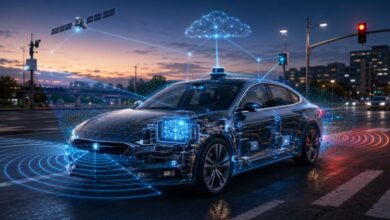
The modern vehicle is becoming increasingly connected to a wider digital ecosystem. What was once a standalone machine is evolving into a continuously connected platform capable of exchanging information with drivers, manufacturers, service providers, and infrastructure networks.
Over-the-air software updates have become one of the clearest examples of this shift. Rather than requiring physical visits to dealerships for certain upgrades, vehicles can now receive new features, security enhancements, and performance improvements remotely.
Connectivity is also transforming how drivers interact with their vehicles. Smartphone integration, remote diagnostics, vehicle tracking, and personalised digital profiles are becoming common features across multiple market segments. As consumers become accustomed to connected technology in other areas of life, expectations for seamless automotive connectivity continue to increase.
Smart Infrastructure Could Change How Cities Move
The future of mobility depends not only on vehicles but also on the environments in which they operate. Smart infrastructure projects are exploring ways to improve traffic flow, reduce congestion, and enhance road safety through connected systems. Traffic signals, road sensors, cameras, and data platforms can work together to create more responsive transportation networks.
In theory, connected infrastructure could allow vehicles to receive real-time information about road conditions, accidents, construction zones, or changing traffic patterns before drivers encounter them. These developments may help improve efficiency while reducing travel times and emissions associated with congestion. Although widespread implementation remains a long-term challenge, smart infrastructure represents an important part of the broader mobility transformation currently underway.
Predictive Maintenance Is Reducing Unexpected Breakdowns
Vehicle maintenance has traditionally been reactive. Drivers often discover problems after warning lights appear or components fail. Advances in data analytics and connected vehicle technology are beginning to change this approach.
Predictive maintenance systems use sensors and software to monitor component performance continuously. By analysing operating conditions and identifying unusual patterns, vehicles can often detect potential issues before they become serious problems. This shift benefits both drivers and fleet operators. Maintenance can be scheduled more efficiently, unexpected downtime can be reduced, and repairs may become less costly when issues are addressed early.
As vehicles become increasingly connected, predictive maintenance is likely to become a standard feature rather than a premium option.
Mobility Is Becoming an Ecosystem Rather Than a Product
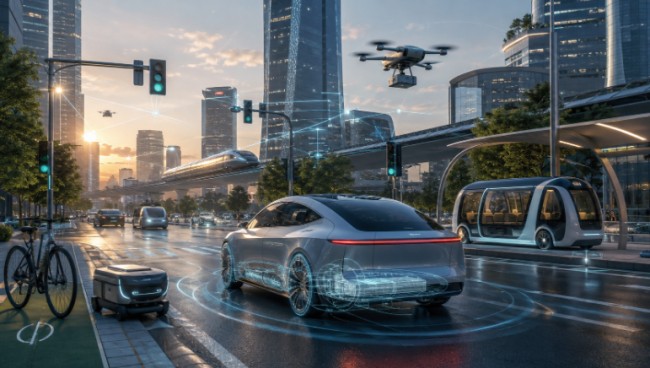
One of the most significant changes taking place within transportation is the shift from isolated ownership models towards integrated mobility ecosystems. Consumers increasingly move between multiple forms of transportation during a single journey. A trip may involve driving, public transport, ride-sharing services, cycling infrastructure, and pedestrian routes. Technology is making it easier to connect these experiences through unified platforms and digital services.
Rather than focusing exclusively on individual vehicles, mobility providers are increasingly considering how different transportation modes interact. This broader perspective reflects changing urban environments, evolving consumer preferences, and growing interest in flexible mobility solutions. The future of transportation may depend as much on connectivity between systems as it does on innovation within individual vehicles.
Data Is Becoming a Strategic Automotive Asset
Behind many emerging mobility technologies lies an increasingly important resource: data. Connected vehicles generate enormous volumes of information relating to performance, maintenance, driving behaviour, traffic conditions, and system usage. Manufacturers and mobility providers are using this data to improve products, enhance services, and identify new opportunities for innovation.
Data-driven insights are influencing everything from vehicle design and software development to infrastructure planning and customer support. Even seemingly routine aspects of vehicle ownership are becoming more digitally integrated. Businesses operating within the wider automotive ecosystem, including companies such as Plates Express, are increasingly part of a sector that relies on digital processes, streamlined administration, and connected services to improve the overall ownership experience.
As mobility becomes more data-centric, information management will play an increasingly important role in shaping the industry’s future.
Why the Future Is About More Than Powertrains
Electrification remains a major component of automotive transformation, but it is only one part of a much larger picture. A vehicle powered by electricity can still benefit from artificial intelligence, connected infrastructure, predictive maintenance, advanced software, and integrated mobility services. Likewise, many of these technologies can be applied across different vehicle types and transportation models.
Focusing solely on the EV debate risks overlooking innovations that may influence mobility on an equally significant scale. The future will likely be defined by how effectively these technologies work together rather than by any single breakthrough.
Conclusion
The future of mobility extends far beyond questions about batteries, charging networks, and vehicle range. Artificial intelligence, connectivity, smart infrastructure, predictive maintenance, and emerging transportation ecosystems are reshaping how people move, how vehicles operate, and how transportation systems function as a whole.
These technologies may not attract the same attention as electrification, but they are quietly transforming the automotive landscape in profound ways. As the industry continues to evolve, the most important mobility innovations may be the ones that connect vehicles, people, and infrastructure into a smarter, more integrated transportation experience.
Understanding the future of mobility therefore requires looking beyond the EV debate and recognising the broader technological ecosystem that is already beginning to redefine the journey.