Small Dining room Design Guide
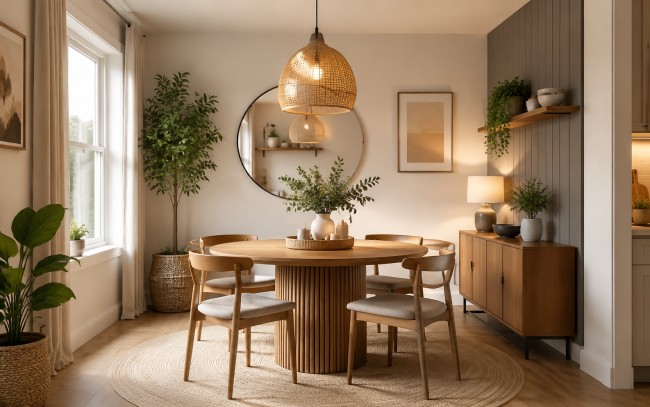
The dining room often serves a dual purpose, balancing practicality with formality—accommodating everything from quiet breakfasts to lively family gatherings. However, not every homeowner is fortunate enough to possess a spacious, brightly lit dining room. In most households, the dining area is, in fact, one of the first spaces to be sacrificed when square footage is limited.
Yet, small does not have to mean stifling. Dining room design is paramount.With thoughtful design, even the most unassuming dining nook can be transformed into an airy, fluid space that feels both warm and inviting. Below, we explore how to make your small dining room appear larger.
What are the common mistakes made when designing a small dining room?
1.Choosing the Wrong Dining Table Size
In a small dining area, selecting a dining table with dimensions or a shape that does not suit the space is one of the biggest design mistakes one can make. As the largest and most prominent piece of furniture in the room, an ill-sized table can severely compromise the overall aesthetic and functionality of the dining area.
If you are wondering how large your dining table should be relative to the room, John Smith—an interior designer at EClife —offers this advice: “Choose a table shape that mirrors the shape of the room and is capable of accommodating the required number of chairs, ensuring that—even when the chairs are pulled out—there remains a consistent flow of space on every side of the table.” This approach guarantees that you have ample room to maneuver and be seated comfortably at the dining table.
2.Insufficient lighting
Appropriate lighting design can create a warm and inviting dining atmosphere for both you and your guests. Insufficient lighting can make your dining space appear stark and monotonous. It is crucial to incorporate a variety of light sources with adjustable brightness—after all, no one wants to dine under harsh white light. From low-hanging pendant lamps suspended above the dining table to flickering candlelight and warm table lamps, ambient lighting plays a key role in establishing the mood of a small dining area. Natural lighting is also worth considering; for instance, when planning your dining room layout, it is a wise strategy to position the dining table and central eating area close to a window.
3.Planning Unrealistic Seating Arrangements
From chairs that take up excessive space to cramped seats that lack comfort, selecting seating that is both comfortable and space-saving should be one of your top priorities in a small dining area. Consider incorporating banquette-style benches that fit seamlessly against your dining table, thereby freeing up valuable floor space. If your home features an open-plan kitchen and dining area, benches also serve as an excellent way to define the space—effectively delineating zones while maintaining the overall flow of the room.
4.The room was piled high with clutter
The dining room should serve as a sanctuary for relaxation and respite, set apart from the hustle and bustle of the home’s other living areas. If the dining room is cluttered with unnecessary items, it becomes impossible to create a comfortable and inviting atmosphere—one that would encourage you and your guests to linger. A dining room should be clean and minimalist, rather than cluttered and cramped. Filling the room with an excessive number of objects and pieces of furniture only serves to distract from the space’s primary purpose. Strive for simplicity and elegance, displaying only those items that truly add value or significance to the space.
5.Lacking color and personality
The dining room serves as a visual respite from the other spaces in your home, so why not introduce a splash of color? Incorporating bright hues—such as a sky-blue—into your dining room’s color scheme is the perfect way to infuse your home with vibrant energy.
Of course, vivid colors aren’t for everyone; if a room design featuring neutral tones aligns better with your personal style, you can opt for light-colored walls and introduce beautiful, colorful decorative elements through your furniture and accessories.
As EClife designer John Smith explains, “In smaller dining rooms, using warmer or even darker shades can often feel overwhelming. While the concept of keeping a small space bright to enhance its atmosphere may sound basic, reflective surfaces and bright white walls can make a room feel significantly larger than it actually is.”
How to Make Your dining room Look Bigger
1.Make the most of every corner
In most dining rooms, a significant amount of space is often wasted in the corners. While dining tables typically occupy the center of the room, a small round table paired with minimalist chairs can help free up extra space without making the room feel cluttered. For a more permanent solution, consider installing a built-in bench along the wall in the corner; this creates a comfortable seating area that serves as a cozy spot for relaxation even when the dining table is not in use.
2.Get Creative with Storage
You can utilize these cabinets or concealed storage units to stow away infrequently used furniture until your next gathering. You can even find foldable bars designed to neatly tuck bar stools underneath. This approach not only maximizes space utilization but also ensures that your area remains clean and tidy.
3.Add a Mirror
Mirrors are excellent tools for making a room appear larger. By strategically placing mirrors, you can brighten the room and make the walls seem further away. You can also adorn the area surrounding the mirrors with other artwork to add color and depth to the space.
4.Open-mindedness
Rather than installing bulky cabinets that take up space and make a room feel enclosed, consider adopting a more open design philosophy. Open shelving is an excellent way to store stemware, display artwork, and more. Without heavy cabinet doors, the room appears more spacious, as the walls themselves remain visible. You can also paint the wall area behind the shelves a contrasting color to create visual interest.
5.Let the light in
Natural light is your greatest ally. Rather than obscuring your windows with heavy curtains or bulky furniture, keep the view unobstructed, allowing the eye to extend outward. Doing just this can create a sense of depth and openness within the space.
6.Try unexpected seating
Replace a pair of standard chairs with uniquely shaped stools—or even velvet-upholstered poufs. Unconventional seating options introduce a sense of softness, spontaneity, and dynamism; they are particularly useful if your space requires frequent reconfiguration, as they can be easily stowed away when not needed without taking up valuable floor space.
Summary
In essence, the key to designing a small dining area lies in maximizing limited space while simultaneously balancing comfort and aesthetic appeal. A common pitfall many people encounter when designing small dining spaces involves selecting oversized tables, using overly elaborate decor, providing insufficient lighting, or neglecting storage needs—all of which can make the space feel even more cramped and oppressive.
To make a small dining area appear more spacious, consider utilizing light color palettes and natural lighting to enhance brightness. Complement this with minimalist furniture, mirrored accents, and pieces featuring slender legs to visually lighten the space. Furthermore, a well-planned layout, increased wall-mounted storage, and an open-concept design can effectively optimize space utilization, transforming a small dining area into a space that is both practical and distinctly modern.
If you would like to explore more design concepts for small dining areas, please visit the EClife official website to help you create your ideal dining environment.