How Online Therapy Is Changing Mental Health Treatment
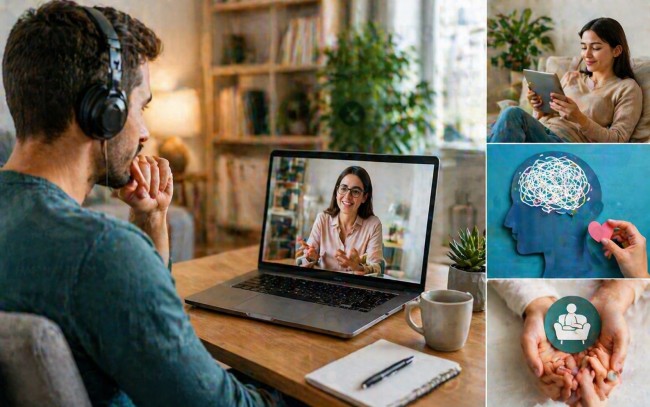
You may feel stuck finding mental health help that fits your life and budget. Online therapy, or telehealth counseling, now reaches millions and grows fast. This post will explain how virtual counseling makes care more accessible, private, and cheaper.
Read on.
The Rise of Online Therapy
More people now use online therapy for support with mental wellness. This shift opens new options for those searching for private and easy ways to get help—often from home.
Increased accessibility for underserved populations
Online therapy brings care to towns and farms that lacked local help. Telehealth and etherapy let people get online counseling on phones and laptops, and they cut travel time and costs.
Digital therapy opened doors for patients who could not reach a clinic. People with low income and busy jobs find remote therapy easier to fit in. This change improves access to care and boosts mental wellness for many.
Greater awareness and adoption during global crises
Global crises, like the COVID-19 pandemic, changed how people view mental health. More folks realized they needed help. Many turned to online therapy for support. With stay-at-home orders in place, telehealth became a lifeline for many. People sought counseling from their homes without worrying about travel or crowded waiting rooms.
The world began to see that mental wellness matters just as much as physical health. Online platforms made it easy to connect with therapists quickly. This shift helped reduce the stigma around seeking help.
It showed that everyone deserves access to care. Remote therapy offered hope and healing during tough times; it opened doors for those who felt alone or unsure where to turn next.
Key Benefits of Online Therapy
Online therapy offers great convenience. You can schedule sessions easily around your busy life… Plus, it often costs less than traditional therapy.
Convenience and flexibility in scheduling
Therapy is easier now, thanks to the rise of online options. People can find support from home or anywhere they feel comfortable. This change means no more long drives to an office. Sessions fit into busy lives better than ever.
Scheduling has become simple and flexible. You can choose times that work for you, even during odd hours. Many online therapy platforms offer weekend sessions too. That means you get help when you need it most, without stress about timing or travel. Online therapy truly opens doors for many seeking mental wellness support!
Affordability compared to in-person therapy
Convenience and flexibility in scheduling lead to another big plus. Online therapy often costs less than seeing a therapist in person. Many people find it hard to pay for traditional sessions. With online options, prices can be lower because there are fewer overhead costs.
Some therapists offer sliding scales, which means they adjust fees based on what you can afford. This makes counseling more accessible for everyone. People from different backgrounds now have better access to mental wellness services through digital therapy platforms. More affordable rates help reduce the gap in mental health care, giving many a chance at support they need.
Enhanced privacy and discretion
Many individuals are discovering the treatment’s benefits, which offer flexible scheduling and reduce barriers to seeking help.
Online therapy offers more privacy than traditional sessions. Many people feel nervous about seeing a counselor in person. They worry others may see them enter or leave an office. With remote therapy, clients join from home or a safe space. This gives them the comfort to share their feelings openly.
Discretion is another key benefit of online therapy. Clients can choose who knows they are getting help. They may use apps on their phones or laptops without anyone knowing their business.
This added layer of privacy helps more people seek support for mental wellness without fear of judgment, making counseling accessible to those who need it most.
Many individuals struggling with obsessive-compulsive disorder are turning to online OCD therapy as a convenient and effective solution for their needs.
Challenges of Online Therapy
Online therapy has its hurdles. Some people face issues with technology or internet access. Others might find it hard to pick up on body language and non-verbal signals during sessions. These challenges can make connecting with a therapist tricky….
Technological and internet access barriers
Many people still struggle with internet access. This makes online therapy hard for them. In some rural areas, high-speed internet is not available. Some people cannot afford a smartphone or computer. These issues limit who can get help through digital therapy.
Technology also poses challenges during therapy sessions. Not everyone is comfortable using video calls or apps for counseling. Some may find it tough to understand how to use these tools well. All this can make accessing mental wellness support harder for those in need.
Limited ability to read non-verbal cues
Online therapy has some challenges. One big issue is the limited ability to read non-verbal cues. In face-to-face meetings, therapists can see body language and facial expressions. These signals help them understand how a person feels.
In online sessions, this connection can weaken. A therapist might miss small signs of distress or joy. This lack of visual information makes it harder to provide complete support. For many people seeking online counseling, these nuances are important for effective mental wellness and behavioral health care.
The Future of Online Therapy
The future of online therapy looks bright. New tools like AI and apps will change how we get mental health support.
Integration of AI and digital tools in therapy
AI and digital tools are changing how people get therapy. These technologies make it easier to access support anytime, anywhere. Many apps offer quick tips for mental wellness and emotional help. Some use eCBT or electronic cognitive behavioral therapy, which helps users tackle their thoughts and feelings.
Therapists can also use AI to track progress more effectively. They can gather data on how patients feel over time. This information helps tailor sessions to meet each person’s needs better. Online counseling is now more interactive than before, thanks to these advancements in technology.
Expanding global reach of mental health services
Online therapy is helping people around the world. It breaks down barriers like distance and cost. People in remote areas can now find help at home. For many, this means more access to counseling services.
Telehealth has grown quickly during tough times. More folks are talking about mental wellness now than ever before. Mental health apps and virtual counseling make it easier for everyone to get support. This change opens doors for better care everywhere. Next, let’s look at some key benefits of online therapy.
Conclusion
Online therapy is changing how we think about mental health care. It makes support more available for everyone, especially those who need it most. People can easily find help on their own time and in their own space. While there are some challenges, the benefits often outweigh them. This new way of therapy offers hope for better mental wellness worldwide.