The Future of Domestic Comfort & Navigating Air Conditioning in 2050
As global temperatures continue to climb, the conversation surrounding home comfort is shifting from simple heating concerns to the necessity of cooling. While the UK and many other temperate regions have historically relied on passive ventilation, the reality of a warming planet is forcing a rethink of our residential infrastructure.
Many households are expected to opt for an Air Conditioning Service and installation in the coming decades. This trend is not merely a matter of convenience; it is a fundamental shift in how we inhabit our living spaces. Understanding the implications of this shift requires us to look at the intersection of architecture, consumer behaviour, and national energy policy.
Understanding the Growing Demand for Cooling
For years, research into building decarbonisation has focused almost exclusively on heat pumps, insulation, and efficient heating systems. Cooling, by comparison, has been a secondary thought, treated as a luxury rather than a public health necessity. However, as summers become more intense, the reliance on mechanical cooling is scaling rapidly.
When we consider the transition toward 2050, we must account for households taking proactive steps to maintain internal temperatures. This influx of technology creates a complex puzzle for our national utility grids. As more homes seek out an Air Conditioner Installation, the infrastructure supporting our electricity consumption will undergo significant stress.
Analysing the 2050 Energy Landscape
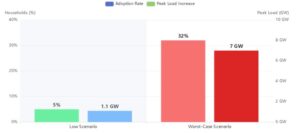
Recent studies, such as the report from the IVUGER project, provide a glimpse into the potential reality of 2050. Researchers have modelled how domestic demand will change once cooling technology becomes a common household feature. The data suggests that between 5% and 32% of English households may adopt cooling systems by mid-century.
This adoption rate, while seemingly modest, has profound consequences when aggregated across millions of homes. The primary challenge is not just the total amount of energy consumed, but the timing of that consumption. Understanding these patterns is essential for homeowners and policy planners alike as they prepare for a more electrified future.
The Challenge of Peak Demand
The biggest bottleneck identified in recent energy reports is the alignment of demand with renewable energy availability. Solar power is most abundant during the middle of the day, yet air conditioning demand often spikes in the late afternoon and evening. This creates a significant “mismatch” in the energy supply chain.
In a scenario where 32% of households utilize cooling, the evening peak load could rise by as much as 7 gigawatts. This exacerbates the existing demand on the grid caused by electric vehicles and other domestic appliances. When everyone comes home and turns on their cooling, the strain on the grid increases precisely when solar generation is tapering off.
How Homeowners Can Prepare for Future Cooling
If you are currently looking at your own home’s future needs, you may be wondering how to navigate these changes. Proactive planning is key to ensuring that you are not left with high energy bills or an inefficient system. Here are several actionable steps to consider when planning for a cooling upgrade.
First, prioritize home envelope efficiency before investing in equipment. Improving insulation and installing high-performance glass can drastically reduce the load on any unit you eventually install. By keeping the heat out, you reduce the reliance on intensive mechanical cooling.
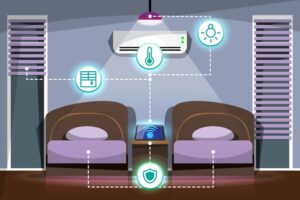
Second, consider the integration of smart home controls. Future energy grids will likely rely on demand-side response programs. By using systems that can communicate with the grid, homeowners may be able to shift their cooling usage to off-peak hours, saving money and helping stabilize the electricity flow.
Selecting the Right Equipment Today
Choosing the right system is a critical component of energy management. When shopping for an Air Conditioning Service provider, always inquire about the Seasonal Energy Efficiency Ratio (SEER) of the units they recommend. A higher SEER rating indicates that the system is optimized for variable weather conditions.
Furthermore, consider the physical placement of external heat exchangers. Shaded areas of your property are significantly more efficient than those exposed to direct sunlight. Small adjustments in installation can lead to long-term reductions in power consumption, which benefits both your wallet and the national grid.
The Role of Smart Technology in Cooling
The integration of artificial intelligence and Internet of Things (IoT) devices in our homes is not just about convenience; it is about efficiency. Modern systems now come with learning thermostats that predict when a home will need cooling based on weather forecasts and historical habits.
By “pre-cooling” a home during the early afternoon when solar energy is plentiful, you can reduce the need for power during the critical evening peak. This “thermal storage” technique uses the structure of the house itself as a battery. This is an essential strategy for any household aiming to be a responsible participant in the future energy market.
Addressing the Infrastructure Gap
While there is fear that cooling will overwhelm the grid, the reality is more nuanced. If we successfully transition to electrified heating, we are already building a grid capable of handling high loads. In fact, a winter evening peak is expected to be nearly double the potential summer peak caused by cooling.
Therefore, the grid does not necessarily need a total overhaul, but rather a more intelligent management system. Policy makers and utility companies are currently working on incentives for homeowners to participate in load-shifting. Monitoring these developments can help you make better decisions about your future energy investments.
Best Practices for Maintenance and Sustainability
Efficiency is not a one-time achievement; it is a process of ongoing maintenance. Even the most efficient unit will lose performance if it is not properly cared for. Regular servicing ensures that the refrigerant levels are correct, filters are clean, and electrical components are functioning without resistance.
If you are planning an Air Conditioner Installation, make sure to discuss a long-term maintenance contract with your provider. Consistent professional check-ups prevent the “energy creep” that occurs as systems age and struggle to maintain their cooling output. By keeping the system running at peak performance, you prevent unnecessary spikes in electricity usage.
The Importance of Professional Consultation
DIY approaches to cooling generally lead to oversized units, which are detrimental to efficiency. An oversized unit will cycle on and off too frequently, leading to higher energy consumption and uncomfortable humidity levels. Professional installers use precise calculations—known as “Manual J” load calculations—to determine exactly how much power your space requires.
Always insist on a thorough assessment of your home’s thermal profile before making a purchase. A professional Refrigeration Service technician will look at window orientation, insulation R-values, and room volume. This tailored approach is the most effective way to ensure your comfort needs are met without placing undue stress on the grid.
Architectural Strategies for Resilience
Beyond technology, architecture plays a major role in how we manage internal temperatures. Passive cooling techniques are making a comeback in modern design. These include high-ceiling designs, deep overhangs that block summer sun, and cross-ventilation floor plans.
Even if you live in an existing home, you can implement some of these principles. Installing high-quality external blinds or planting deciduous trees on the sun-exposed side of your home can create a natural buffer against heat. Combining these passive strategies with an energy-efficient cooling system is the gold standard for sustainable living in 2050.
Preparing for a Changing Regulatory Environment
As we move closer to 2050, we should expect stricter regulations regarding energy performance certificates and cooling efficiency. Governments are likely to mandate that new installations meet specific carbon footprint criteria. Staying ahead of these regulations is a smart strategy for any homeowner.
By choosing equipment today that exceeds current efficiency standards, you are future-proofing your purchase against potential legislative updates. Always ask your installer about upcoming changes in refrigerant regulations and efficiency requirements to ensure your investment remains compliant for years to come.
Community-Level Energy Solutions
The challenge of cooling is best solved when communities work together. Some neighbourhoods are exploring micro-grids where solar energy is shared between households. If one house has excess solar power at 2:00 PM, it can be directed to power their neighbour’s cooling system.
This decentralization of energy is the future of the grid. While it may seem futuristic today, the infrastructure supporting these small-scale energy markets is already being developed. Being part of a community that embraces these solutions can dramatically reduce your individual reliance on the main national grid.
The Human Element: Behaviour and Habits
Technology is only half the battle; human behaviour is the other. We must learn to adapt our habits to the changing climate. This might mean closing curtains during the hottest parts of the day or using ceiling fans to circulate air rather than relying solely on high-intensity cooling.
By combining technological support with conscious habits, we can drastically reduce our cooling footprint. It is about moving toward a culture of climate-resilience where our homes are designed and used in harmony with the environment, rather than in competition with it.
The Path Forward: What Every Homeowner Needs to Know
As we look toward 2050, the path to sustainable home comfort is clear. It requires a combination of high-efficiency equipment, intelligent home management, and a commitment to architectural resilience. The uptake of domestic cooling is inevitable, but its impact on our energy systems is manageable through proactive choices.
Whether you are considering an Air Conditioner Installation today or planning for future renovations, remember that your decisions reflect on the health of our national energy infrastructure. By focusing on efficiency, maintenance, and smart usage, you are helping build a more stable and comfortable future for everyone.
Building a Sustainable Future, One Home at a Time
The shift toward mechanical cooling is a defining characteristic of our changing world. By acknowledging the data and acting with foresight, households can navigate this transition successfully. We are currently in a pivotal time where the choices we make will set the standard for how the next generation lives.
Keep in mind that the goal is not to eliminate cooling, but to make it sustainable. By prioritizing quality Air Conditioning Service and focusing on efficiency, we can ensure that our homes remain sanctuaries regardless of the temperature outside. The future of domestic comfort is achievable if we continue to integrate science, technology, and responsible living.
Summary and Checklist for Homeowners
To ensure you are fully prepared for the future, keep this roadmap in mind:
- Conduct an audit of your home’s insulation and thermal efficiency—this is your primary line of defence.
- When shopping for cooling systems, look for high SEER ratings and smart integration capabilities.
- Schedule regular professional maintenance to keep your system performing at peak efficiency.
- Use smart thermostats to pre-cool your home during off-peak hours, avoiding the evening grid crunch.
- Consider passive architectural improvements like external shading or ventilation to reduce the total load.
- Stay informed about local grid incentives or demand-response programs that reward energy-conscious behaviour.
By following these fundamental steps, you are not only protecting your own comfort but also contributing to a more stable and sustainable national energy future. The transition to 2050 is not something to be feared; it is an opportunity to improve the way we design, build, and inhabit our homes in an ever-changing climate.
As our society shifts, so too must our understanding of home maintenance and energy consumption. While the challenges of 2050 are significant, they are not insurmountable. With the right technology and a conscious approach to energy usage, every household can play a part in creating a more resilient and comfortable world for years to come.