CRAH-Based Data Center Cooling Solutions
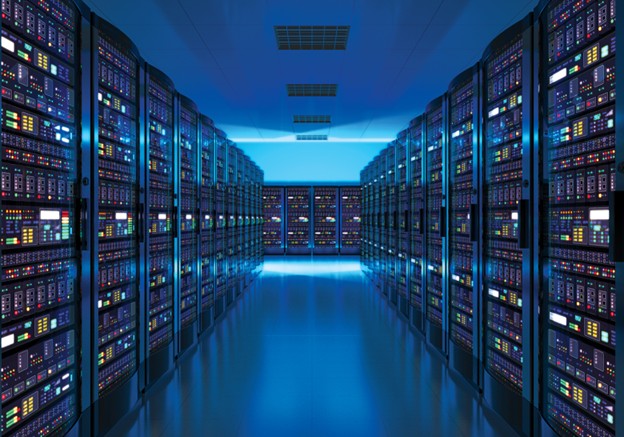
Modern data centers are under constant pressure to deliver higher performance while consuming less energy and maintaining absolute reliability. As server densities increase and workloads become more demanding, cooling strategies can no longer be an afterthought. Among the most trusted approaches in large and medium-scale facilities is the use of CRAH-based data center cooling solutions. These systems have become a cornerstone for operators who need precise temperature control, predictable performance, and long-term efficiency.
This article explores how CRAH-based cooling works, why it remains relevant in today’s evolving data center landscape, and how it supports scalability, sustainability, and operational excellence.
Understanding CRAH in Data Center Environments
CRAH, short for Computer Room Air Handler, is a cooling system that relies on chilled water supplied from a central plant to remove heat from data center spaces. Unlike self-contained units that generate cooling internally, a CRAH unit focuses on air circulation and heat exchange, making it highly efficient when paired with a well-designed chilled water infrastructure.
In a typical setup, warm air from IT equipment is drawn into the unit, passed over cooling coils fed by chilled water, and then redistributed as cooled air back into the data hall. This cycle ensures stable temperatures and consistent airflow across racks.
CRAH systems are commonly deployed in enterprise data centers, colocation facilities, and mission-critical environments where uptime and control are non-negotiable.
Why CRAH-Based Cooling Remains a Preferred Choice
Despite the emergence of newer cooling technologies, CRAH-based solutions continue to be widely adopted. The reasons are practical, operational, and economic.
One of the biggest advantages is efficiency at scale. Centralized chilled water plants can be optimized for energy performance, especially when combined with free cooling or high-efficiency chillers. This makes CRAH systems particularly attractive for large data halls.
Another key benefit is control. CRAH units are designed for precise temperature and humidity management, which is essential for protecting sensitive IT equipment and maintaining compliance with industry standards.
Reliability also plays a major role. With fewer mechanical components inside the data hall compared to direct expansion systems, CRAH units often have longer service lives and lower failure rates.
Core Components of CRAH-Based Cooling Systems
A well-designed CRAH-based cooling solution is more than just the air handler itself. It is an integrated system made up of several critical components working together.
These typically include:
- CRAH units positioned around or within the data hall
- A chilled water plant consisting of chillers, pumps, and piping
- Control systems for airflow, temperature, and humidity
- Air distribution elements such as raised floors or overhead ducts
Each component must be carefully selected and coordinated to ensure balanced airflow, consistent cooling, and efficient operation.
CRAH vs Other Data Center Cooling Approaches
To appreciate the value of CRAH-based cooling, it helps to compare it with other common approaches.
Direct expansion systems are often simpler to deploy in small environments, but they rely on refrigerant-based cooling within each unit. This can limit efficiency and scalability in larger facilities.
In-row and in-rack cooling solutions provide close-coupled cooling and are excellent for high-density zones. However, they are often used alongside CRAH systems rather than replacing them entirely.
Liquid cooling technologies are gaining traction for extreme densities, but they introduce additional complexity and are not yet practical for all deployments.
CRAH-based cooling sits in a balanced position. It offers proven performance, flexibility, and compatibility with modern airflow management techniques, making it suitable for a wide range of data center designs.
Supporting High-Density and Variable Loads
Today’s data centers rarely operate at uniform loads. Some racks may host lightweight applications, while others support compute-intensive workloads such as analytics or artificial intelligence.
CRAH systems can adapt to these variations when designed correctly. Variable speed fans, intelligent controls, and zoning allow airflow to be adjusted based on real-time demand. This ensures that cooling capacity is delivered where it is needed most, without wasting energy.
When combined with containment strategies such as hot aisle or cold aisle containment, CRAH-based cooling becomes even more effective. By separating hot and cold air streams, the system reduces mixing and improves overall efficiency.
Energy Efficiency and Sustainability Considerations
Energy consumption remains one of the biggest operational costs for data centers. Cooling alone can account for a significant portion of total energy use, which is why efficiency is such a critical factor.
CRAH-based solutions support sustainability goals in several ways. Central chilled water plants can leverage high-efficiency chillers, economizers, and free cooling techniques that take advantage of ambient conditions.
Because CRAH units themselves do not generate cooling, they can be simpler and more energy-efficient inside the data hall. Over time, this contributes to lower power usage effectiveness and reduced environmental impact.
Many operators also appreciate the ability to upgrade or optimize the chilled water plant independently of the air handlers, allowing continuous improvement without major disruptions.
Design Flexibility and Scalability
No two data centers are exactly alike, and cooling systems must be flexible enough to accommodate different layouts, growth plans, and operational strategies.
CRAH-based cooling excels in this area. Units can be floor-mounted or ceiling-mounted, perimeter-based or integrated into the room layout. This flexibility makes it easier to adapt the system to both new builds and retrofit projects.
Scalability is another strength. As IT loads increase, additional CRAH units or chilled water capacity can be added in phases. This modular approach supports business growth without requiring a complete redesign of the cooling infrastructure.
Operational Control and Monitoring
Effective cooling is not just about hardware. It also depends on visibility and control.
Modern CRAH systems are typically integrated with building management or data center infrastructure management platforms. This allows operators to monitor temperatures, humidity levels, airflow, and energy consumption in real time.
With accurate data, teams can fine-tune setpoints, identify inefficiencies, and respond quickly to potential issues. Over time, this proactive approach helps extend equipment life and maintain stable operating conditions.
Maintenance and Long-Term Reliability
From an operational perspective, ease of maintenance is a major consideration. CRAH units are generally designed for accessibility and serviceability, which reduces downtime during maintenance activities.
Because the cooling generation is centralized, major components such as chillers can be maintained or upgraded without directly impacting the data hall. This separation of functions adds resilience to the overall system.
Routine tasks such as filter replacement, coil cleaning, and fan inspection can be scheduled and performed efficiently, supporting long-term reliability and predictable performance.
Use Cases Where CRAH-Based Cooling Excels
While CRAH-based solutions are versatile, they are particularly well-suited to certain scenarios.
These include:
- Large enterprise data centers with centralized infrastructure
- Colocation facilities that require consistent and standardized cooling
- Mission-critical environments where uptime is essential
- Facilities planning phased expansion over multiple years
In these contexts, the balance of efficiency, control, and scalability makes CRAH-based cooling a logical and proven choice.
Making Smart Choices for Future-Ready Cooling
Selecting the right cooling strategy is a decision that impacts performance, cost, and sustainability for years to come. CRAH-based data center cooling solutions offer a mature, adaptable foundation that aligns well with current and future demands.
As workloads continue to evolve and energy efficiency becomes increasingly important, the role of CRAH systems remains strong. When paired with intelligent controls, optimized chilled water plants, and thoughtful airflow management, they provide a dependable path forward for data center operators who value precision, reliability, and long-term value.
By understanding how CRAH-based cooling works and where it delivers the most benefit, decision-makers can design environments that are not only capable today but resilient enough for whatever tomorrow brings.