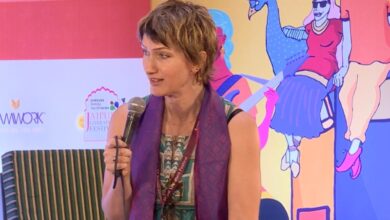
Pallab Ghosh: The Voice of British Science Journalism at the BBC

Pallab Ghosh is one of the most respected and recognisable figures in British science journalism. With decades of experience reporting for BBC News, he has played a crucial role in shaping how science, technology, health, and environmental issues are understood by the public. Known for clarity, balance, and depth, he has consistently translated complex scientific developments into meaningful stories for everyday audiences.
This article presents a comprehensive and authoritative profile of Pallab Ghosh, covering his background, education, professional journey, journalism philosophy, and public influence.
Table of Contents
ToggleEarly Life and Background
Pallab Ghosh Age, Birth and Origins
Pallab Ghosh was born in 1962 in India and is aged 64. He moved to the United Kingdom at a very young age. Growing up in Britain, he was exposed early to both scientific curiosity and public discourse—key influences that later shaped his professional direction as a science journalist.
Personal Identity and Values
He identifies as British and is based in London, United Kingdom, where he continues to work as a senior science correspondent. His background reflects a blend of cultural perspectives that have enriched his approach to storytelling and analysis.
Education and Academic Foundation
Imperial College London
Pallab Ghosh studied Physics at Imperial College London, one of the UK’s most prestigious science-focused universities. His academic training provided him with a strong grounding in scientific reasoning, data interpretation, and analytical thinking—skills that later became central to his journalism.
Early Engagement with Journalism
While at university, he showed an early interest in media and communication, gaining experience in student journalism. This combination of scientific expertise and editorial skill set him apart from many of his contemporaries.
Professional Career at BBC News
Becoming a Science Correspondent
Pallab Ghosh joined BBC News in 1989, beginning a career that would span television, radio, and digital platforms. Over time, he rose to the position of Science Correspondent, becoming one of the BBC’s most trusted voices on science-related matters.
Role and Responsibilities
As a BBC Science Correspondent, Pallab Ghosh covers a wide range of topics, including:
Medical research and public health
Climate change and environmental science
Space exploration and astronomy
Artificial intelligence and emerging technologies
Scientific ethics and policy
His reporting often sits at the intersection of science, politics, and society, requiring careful judgement and editorial responsibility.
Major Scientific Stories Covered
Landmark Global Developments
Throughout his career, Pallab Ghosh has reported on some of the most significant scientific milestones of modern times. His work has included coverage of:
Breakthroughs in genetics and genome research
Advances in stem cell science
Climate science and environmental risk
Global pandemics and public health responses
Space missions and astrophysics discoveries
His reporting is characterised by accuracy, restraint, and a commitment to evidence-based storytelling.
Journalism Style and Professional Philosophy
Clear Science for the Public
A defining feature of Pallab Ghosh’s work is his ability to explain highly technical subjects in clear, accessible language without oversimplifying the facts. He consistently avoids sensationalism, focusing instead on context, uncertainty, and scientific consensus.
Editorial Integrity
He has long upheld the principle that journalism should challenge power, question claims, and protect public understanding. This philosophy is reflected in his admiration for classic journalistic values and well-known quotes he associates with his work.
Leadership and Influence in Science Journalism
Industry Recognition
Over the years, Pallab Ghosh has received recognition for excellence in science reporting. His peers regard him as a senior figure in the field, and his work is often referenced as a benchmark for responsible science journalism in the UK.
Mentorship and Representation
Beyond reporting, he has contributed to the wider journalism community by supporting professional organisations and encouraging responsible coverage of science in an era of misinformation and rapid technological change.
Public Presence and Media Platforms
Digital and Broadcast Reach
Pallab Ghosh maintains a strong presence across broadcast television, radio, and digital media. His reporting appears regularly on BBC News programmes and science-focused segments.
Social Media and Public Engagement
He is active on professional social platforms, where he shares science news, commentary, and behind-the-scenes insights into journalism. His following reflects both public trust and professional respect.
Personal Life and Interests
Family
Pallab Ghosh is known to be a family-oriented individual. Public records mention Kingshuk Ghosh as a family member, though he keeps most personal details private, maintaining a clear boundary between professional and personal life.
Interests Beyond Journalism
He has a well-documented interest in football, particularly Tottenham Hotspur, and frequently references literature, history, and science fiction. These interests reflect a thoughtful and curious personality beyond his professional role.
Cultural and Professional Impact
Trusted Voice in Public Discourse
During times of scientific uncertainty—such as health crises or environmental debates—Pallab Ghosh has consistently served as a steady, reliable source of information. His role has been especially important in maintaining public trust in science reporting.
Contribution to British Media
His career stands as an example of how specialist journalism can elevate public understanding. By combining scientific literacy with journalistic ethics, he has contributed significantly to the credibility of science coverage in the UK.
Legacy and Continuing Role
Ongoing Influence
Even after decades in the field, Pallab Ghosh remains highly active and relevant. His experience allows him to contextualise new developments within historical and scientific frameworks, offering depth that few can match.
A Standard for Future Journalists
For aspiring science journalists, his career demonstrates the value of subject expertise, patience, and integrity. His work continues to influence how science is reported across British media.
Conclusion
Pallab Ghosh stands as one of Britain’s most authoritative science journalists. With a foundation in physics, decades of BBC experience, and a commitment to clarity and truth, he has played a vital role in shaping public understanding of science. His career reflects professionalism, intellectual curiosity, and an unwavering dedication to responsible journalism.
As science and technology continue to shape the future, Pallab Ghosh remains a trusted guide—explaining, questioning, and informing with credibility and care.