Melissa Hogenboom: The Voice Redefining Science, Health, and Power in Modern Media
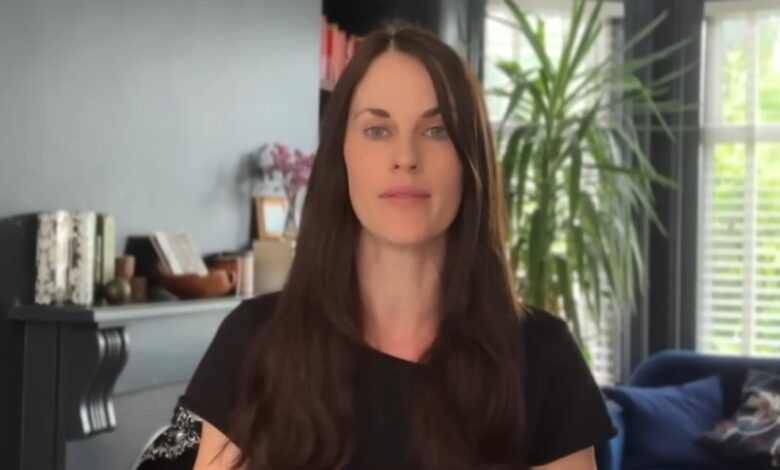
Melissa Hogenboom has emerged as one of the most influential science and health journalists working in British media today. With more than fifteen years at the BBC, an award-winning portfolio across television, digital video, radio, and long-form writing, and two critically discussed books, she occupies a rare position at the intersection of journalism, psychology, and public understanding of science. Her work does not merely report research; it translates complex ideas about the human mind, health, and power into narratives that resonate with everyday life.
As a Senior Health Correspondent at BBC Studios and a former editor of BBC Reel, Hogenboom has helped shape how millions of people understand topics such as neuroscience, behaviour, motherhood, inequality, and wellbeing. Her career reflects both editorial leadership and deeply personal storytelling, making her one of the most recognisable voices in contemporary science journalism.
Early Life and Education
Melissa Hogenboom Age and Academic Foundations
Melissa Hogenboom (born March 1986, aged 40 as of 2026) later pursued higher education at the University of Edinburgh, where she completed an MA in Psychology. This academic training became foundational to her career, providing a strong grounding in human behaviour, cognition, and research literacy—skills that would later define her journalistic voice.
Broader Intellectual Interests
Alongside psychology, her studies included linguistics, Russian studies, and classical literature and art. This interdisciplinary exposure shaped her ability to connect science with culture, language, and history. During her university years, she was also actively involved in sports and student journalism, demonstrating early leadership, teamwork, and communication skills.
Career at the BBC
Early BBC Roles
Melissa Hogenboom began her professional journey at the BBC in the late 2000s, initially working in live television news production. These early roles provided first-hand experience in high-pressure newsroom environments and built a foundation in broadcast journalism.
She later progressed into science reporting roles at BBC News, BBC Radio Science Unit, and BBC Worldwide, where she produced and reported on programmes for Radio 4 and the World Service. Her work during this period covered a wide range of scientific and social issues, from genetics and disease to human evolution and ethics.
BBC Earth and BBC Future
Between 2014 and 2018, Hogenboom became a senior journalist and editor at BBC Earth and BBC Future. Here, she originated, commissioned, and edited both written and video content, gaining recognition for her ability to turn complex scientific questions into compelling stories.
Her reporting during this time tackled themes such as human origins, environmental change, addiction, mental health, and dementia. One of her most widely discussed pieces explored her father’s dementia and the way music continued to activate parts of his brain, combining personal experience with cutting-edge neuroscience.
BBC Reel and Editorial Leadership
Launching BBC Reel
One of the defining achievements of Melissa Hogenboom’s career was her role in conceiving and launching BBC Reel, the BBC’s global video features platform. As Editor, she developed the editorial strategy from the ground up, focusing on curiosity-driven storytelling, science, culture, and human behaviour.
Within months of launch, BBC Reel broke existing BBC.com video performance records and went on to achieve sustained global growth. The platform became known for high-quality short and long-form documentaries that appealed to international audiences.
Awards and Recognition
Under her leadership, BBC Reel won multiple major awards, including Telly Awards, Lovie Awards, and recognition from the Association of British Science Writers. These honours reflected both editorial innovation and production excellence, establishing Hogenboom as a leading figure in digital science media.
Senior Health Correspondent at BBC Studios
Current Role
Melissa Hogenboom currently works as a Senior Health Correspondent within the BBC Studios commissioning team. In this role, she leads on regularly recurring television strands for BBC News while ensuring strong cross-platform collaboration between digital and broadcast teams.
Her work includes presenting and producing a digital health video series and fronting innovative health newsletters that focus on evidence-based wellbeing and practical health optimisation. This role places her at the forefront of public health communication in the UK.
Focus on Health and Advocacy
In recent years, Hogenboom has written openly about her own experiences with serious medical complications and hospitalisation. These experiences have reinforced her commitment to health journalism that empowers audiences, highlights systemic issues, and encourages patient advocacy.
Books and Authorship
The Motherhood Complex (2021)
Melissa Hogenboom’s first book, The Motherhood Complex, was published in 2021. The book examines motherhood through the lens of psychology, neuroscience, and social expectation, challenging deeply ingrained assumptions about maternal instinct, identity, and fulfilment.
Drawing on scientific research and cultural analysis, the book resonated with readers seeking a more nuanced, evidence-based understanding of motherhood beyond stereotypes and moral pressure.
Breadwinners (2025)
Her second book, Breadwinners, published in 2025, expands her focus to power dynamics, money, work, and identity. The book explores how earning, caregiving, and control shape modern relationships and wellbeing, examining what happens when traditional roles are disrupted.
This work reflects Hogenboom’s broader interest in power—who holds it, how it is experienced, and why feeling powerless can be so damaging to mental and physical health.
Journalism Style and Themes
Human-Centred Science Reporting
A defining feature of Melissa Hogenboom’s work is her ability to humanise science. Rather than presenting research as abstract data, she frames it through lived experience, ethical questions, and real-world impact. Her reporting often sits at the intersection of neuroscience, psychology, sociology, and health.
Power, Identity, and Control
Across her journalism and books, recurring themes include power dynamics, identity formation, and autonomy. Whether discussing motherhood, health systems, or social structures, she consistently examines how control—or lack of it—affects human wellbeing.
Melissa Hogenboom Husband
Melissa Hogenboom is married to Steve and has two children. While she occasionally references family life in her writing and public reflections, she largely keeps personal details private. This balance allows her to draw on lived experience without turning her family into a public subject.
Her father, Piet Hogenboom, who lived with dementia, played a significant role in shaping her understanding of neuroscience, memory, and care. His death in 2019 marked a deeply personal chapter that influenced her later work on health and empathy.
Awards and Professional Recognition
Throughout her career, Melissa Hogenboom has received numerous awards for science journalism, video storytelling, and editorial leadership. These include recognition from major international journalism bodies and industry organisations, reflecting both individual excellence and team leadership.
She is also a fellow of the Learning Sciences Exchange, a prestigious programme designed to bridge journalism, research, and public understanding of early learning and development.
Conclusion
Melissa Hogenboom stands out as a journalist who combines intellectual rigour with emotional intelligence. Her career reflects a commitment to clarity, evidence, and empathy, whether she is leading global video teams, reporting on health, or writing books that challenge societal norms.
In an era where misinformation and oversimplification are common, her work demonstrates the enduring value of thoughtful, well-researched journalism. Through her reporting, editorial leadership, and authorship, Melissa Hogenboom continues to shape how audiences understand science, health, and the power structures that influence everyday life.
FAQs
Who is Melissa Hogenboom?
Melissa Hogenboom is a British science and health journalist, filmmaker, and author. She is a Senior Health Correspondent at BBC Studios and a former editor of BBC Reel, known for making complex scientific ideas accessible to a wide audience.
How old is Melissa Hogenboom?
Melissa Hogenboom was born in March 1986. As of 2026, she is 40 years old.
Is Melissa Hogenboom married?
Yes, Melissa Hogenboom is married. She occasionally references her husband in personal reflections but keeps most details of her family life private.
How many children does Melissa Hogenboom have?
Melissa Hogenboom has two children. While her experiences as a parent inform some of her writing, she largely protects her children’s privacy.