A UK Nursery Fruit Trees for Sale Authority Breaks Down 6 Orchard-Safe Organic Sprays
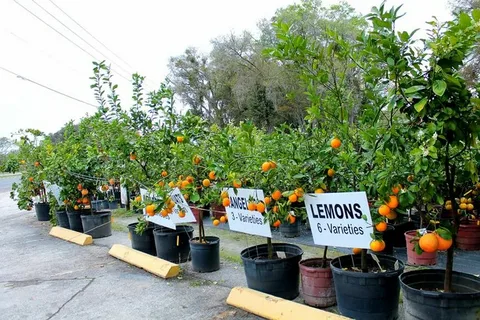
Our mild, damp British climate encourages strong growth but also creates ideal conditions for pests and fungal diseases that can compromise harvests if left unchecked. In recent years, more gardeners and small orchard owners have moved away from routine chemical spraying and towards organic, orchard-safe alternatives that protect trees while respecting soil life, wildlife, and pollinators.
Organic sprays are not a cure-all, nor are they a sign of neglect-free gardening. Used correctly, they form part of a wider system that includes pruning, hygiene, resistant varieties, and good planting practice. With increasing interest from home growers, garden centres and nurseries have also noticed a shift in buying habits, particularly among those looking at fruit trees for sale who want reassurance that long-term care can be managed sustainably.
Before examining the most reliable organic sprays, it is worth sharing a brief piece of professional guidance. Specialist advice from the established online fruit tree nursery ChrisBowers notes that long-term tree health depends on prevention rather than reaction. Regular inspection, timely pruning, and using organic treatments as part of routine care can significantly reduce pest pressure and disease severity over time. More detailed guidance on fruit trees for sale care and preventative management is available under fruit tree advice.
With that foundation in place, the following sections outline six orchard-safe organic sprays commonly used across the UK, explaining how they work, when to use them, and what results gardeners can realistically expect.
Why Organic Sprays Matter in British Orchards
Organic sprays are often misunderstood as weaker or slower than conventional products. In reality, they operate on different principles. Rather than eradicating pests or pathogens outright, many organic sprays disrupt life cycles, reduce spore loads, or create conditions that make trees less attractive or hospitable to problems. This approach aligns well with British growing conditions, where repeated wet spells and moderate temperatures favour gradual, persistent pressures rather than sudden outbreaks.
One of the main advantages of organic sprays is their compatibility with beneficial insects. Ladybirds, lacewings, hoverflies, and predatory mites play a significant role in controlling aphids and other sap-feeding pests in orchards. Broad-spectrum chemical sprays can undo this natural balance, often leading to recurring infestations that require further intervention. Organic alternatives are generally more selective, allowing natural predators to continue their work.
Another important factor is soil health. Many conventional fungicides and insecticides accumulate in the soil over time, affecting microbial activity and earthworm populations. Healthy soil biology contributes to stronger root systems, improved nutrient uptake, and better resilience against stress. Organic sprays tend to break down more quickly, reducing long-term impact.
For British gardeners growing apples, pears, plums, cherries, and softer fruits, organic sprays are particularly effective when used early and consistently. They are most successful as preventative measures rather than emergency solutions. Understanding their limitations is just as important as recognising their benefits. Severe infestations or advanced disease may still require more intensive action, but organic sprays significantly reduce how often such situations arise.
Spray One: Soft Soap Solutions for Aphids and Mites
Soft soap, sometimes referred to as horticultural soap, remains one of the most accessible and reliable organic sprays for home orchards. Its primary function is to control soft-bodied insects such as aphids, whitefly, and spider mites, all of which are common on apple and pear trees during spring and early summer.
The mechanism is simple but effective. Soft soap breaks down the protective outer layer of insects, causing them to dehydrate. Because it works through direct contact, thorough coverage is essential. This makes regular inspection and prompt treatment particularly important, especially on young shoots where aphids tend to cluster.
In British conditions, soft soap is best applied during dry, mild weather when rain is not expected for at least several hours. Reapplication is often necessary, as new pests can arrive quickly, particularly in sheltered gardens or near allotments. One of its advantages is that it leaves no lasting residue, making it safe to use throughout the growing season, including close to harvest.
Care must still be taken to avoid spraying in full sun or during very hot weather, as leaf scorch can occur. Testing on a small area before full application is always advisable. While soft soap will not affect eggs or pupae, its regular use keeps populations at manageable levels and reduces the need for harsher controls.
Spray Two: Neem Oil as a Broad-Spectrum Deterrent
Neem oil, derived from the seeds of the neem tree, has become increasingly popular among UK gardeners seeking a multi-purpose organic spray. Its strength lies in its ability to act as both an insect deterrent and a growth regulator. Rather than killing pests instantly, neem disrupts feeding and reproduction, gradually reducing populations over time.
In orchards, neem oil is commonly used against aphids, caterpillars, leaf miners, and some beetle species. It also shows mild fungicidal properties, which can help suppress early signs of powdery mildew on apples and pears. This dual action makes it particularly useful during late spring when both pests and fungal spores become active.
Neem oil works best when applied preventatively or at the first sign of trouble. Consistent use at low concentrations is more effective than infrequent heavy spraying. Because neem affects insect development, results may take several days to become apparent, requiring patience from the grower.
One important consideration for British users is temperature. Neem oil can thicken in cooler conditions, so it should be mixed carefully according to instructions and applied during milder periods. As with all sprays, evening application helps protect pollinators, even though neem is generally considered low risk when used correctly.
Spray Three: Sulphur for Fungal Disease Control
Sulphur has been used in British orchards for generations and remains one of the most effective organic fungicides available. Its primary role is in controlling powdery mildew, a persistent problem for apples, gooseberries, and currants, particularly in sheltered or overcrowded plantings.
Unlike systemic fungicides, sulphur works on contact, inhibiting spore germination and fungal growth on leaf surfaces. This makes timing critical. Applications are most effective when started early in the season, just as buds break and before symptoms become widespread.
In the UK climate, sulphur sprays are often used during dry spells in spring and early summer. Rain can wash off residues, requiring reapplication. Temperature also plays a role, as sulphur becomes less effective below certain thresholds and can cause leaf damage if applied during very hot weather, which is less common but still possible during heatwaves.
Sulphur should not be used in conjunction with oils, such as neem or horticultural oils, within a short timeframe, as this can increase the risk of phytotoxicity. Careful planning of spray schedules helps avoid such issues and ensures each treatment performs as intended.
Spray Four: Copper-Based Sprays for Bacterial and Fungal Issues
Copper sprays occupy a more cautious position within organic gardening. While permitted under organic standards, their use is restricted due to concerns about soil accumulation. When used sparingly and strategically, copper remains a valuable tool for managing specific orchard problems.
In British fruit growing, copper is most commonly used to control bacterial canker in cherries and plums, as well as scab and certain leaf spot diseases. Its preventative action is strongest when applied during dormant periods or at leaf fall, rather than during active growth.
Copper works by creating an unfavourable surface for pathogens, preventing infection rather than curing it. This makes it particularly useful during wet autumns and mild winters, when bacterial diseases can spread through pruning wounds and leaf scars.
Because copper can affect beneficial soil organisms if overused, it should be seen as a last resort within an organic system. Accurate diagnosis of the problem and careful adherence to recommended rates are essential. Many UK growers find that improved pruning, hygiene, and airflow reduce the need for copper sprays over time.
Spray Five: Seaweed Extracts for Tree Resilience
Not all organic sprays are designed to kill or suppress pests and diseases. Seaweed extracts function primarily as biostimulants, enhancing a tree’s natural defences and stress tolerance. In British orchards, where fluctuating weather places trees under repeated strain, this supportive role is increasingly valued.
Seaweed sprays contain trace elements, amino acids, and natural growth hormones that encourage strong root development and balanced growth. Healthier trees are less susceptible to pest attack and recover more quickly from damage. Regular applications during the growing season can improve leaf colour, flowering, and fruit set.
While seaweed extracts do not replace targeted pest or disease control, they complement other sprays by strengthening the tree’s overall condition. They are particularly useful following pruning, frost damage, or periods of drought or waterlogging.
Application is straightforward and generally safe at any stage of growth. Many British gardeners integrate seaweed sprays into routine maintenance, viewing them as a long-term investment in orchard health rather than a quick fix.
Spray Six: Baking Soda Solutions for Mild Fungal Problems
Baking soda, or sodium bicarbonate, has found a place in organic orchards as a mild fungicidal spray, particularly for powdery mildew. Its action is based on altering the surface pH of leaves, making conditions less favourable for fungal growth.
In practice, baking soda sprays are best used at the first sign of mildew or as a preventative measure in susceptible varieties. They are less potent than sulphur but can be useful for gardeners seeking a readily available option for small-scale use.
Careful dilution is essential, as overly strong solutions can damage foliage. Adding a small amount of soft soap improves adhesion and coverage. As with other contact sprays, thorough application and regular monitoring are key to success.
Baking soda treatments are most effective during dry weather and should be reapplied after rain. While not suitable for severe infections, they contribute to an integrated approach when combined with good airflow, pruning, and resistant varieties.
Conclusion
Organic sprays play a meaningful role in modern British fruit growing, offering practical solutions that align with environmental responsibility and long-term orchard health. Each of the six sprays discussed has its place, strengths, and limitations. Their effectiveness depends not only on the product itself but on timing, consistency, and the wider management practices surrounding their use.
For gardeners considering new plantings or browsing fruit trees for sale, understanding these tools provides reassurance that sustainable care is achievable without excessive chemical input. Organic sprays are not about eliminating every insect or spore, but about maintaining balance and resilience in a living system.
By observing trees closely, responding early to issues, and choosing treatments thoughtfully, British growers can enjoy productive, healthy orchards that continue to thrive year after year.