Top Outdoor Gadgets Every Adventurer Should Carry
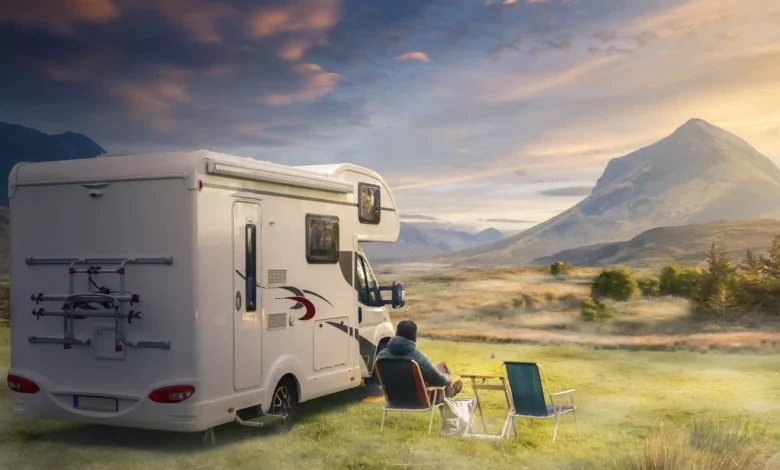
Every outdoor adventure—whether it’s a weekend backpacking trip, a cross-country road journey, or a rugged expedition through remote wilderness demands smart gear. Pack the right tools and you’ll stay safer, more comfortable, and ready for anything nature throws your way. In this article, we break down the top outdoor gadgets every adventurer should carry, with tips on why each item matters and how it’s used in real-world adventure scenarios.
From safety essentials to high-tech companions, we’ll help you build an outdoor gear kit that enhances performance without weighing you down.
Navigation & Location Trackers
Why it matters: Losing your way in unfamiliar terrain is one of the most common outdoor risks. Reliable navigation tools help you stay on course and find your way back, even when trails disappear.
Must-have gadget: A dedicated GPS tracker is indispensable for serious adventurers. Unlike smartphone apps, which rely on cellular coverage, rugged GPS units work anywhere—even in deep canyons or thick forests.
If you want a device that delivers precise location tracking and peace of mind on the trail, check out this top gadget designed for outdoor navigation and safety.
Real-world example: Hikers exploring the Appalachian or Pacific Crest Trail often rely on GPS trackers to confirm their position during long, signal-dead stretches—boosting confidence and safety.
Solar-Powered Charging Stations
Why it matters: Adventures that stretch past a day quickly drain batteries. When you’re off the grid, traditional outlets aren’t an option.
What to carry: A solar-powered charging bank or panel that stores energy and charges gear on the go. Look for high capacity, rugged construction, and multiple output ports for phones, lights, and radios.
Real-world example: On multi-day desert treks or bikepacking routes, solar chargers keep phones, GPS units, and headlamps powered without added weight from disposable batteries.
Water Purification Systems
Why it matters: Hydration isn’t optional, but carrying gallons of water adds weight fast. Safe water from natural sources keeps you fueled without burden.
Types to consider:
- Portable filters remove bacteria and protozoa from streams and lakes.
- UV purifiers neutralize pathogens with light.
- Chemical tablets are lightweight and simple.
Real-world example: Kayakers navigating river systems or backpackers crossing alpine meadows rely on compact filters to avoid heavy jugs and stay healthy.
Multi-Tool Kit
Why it matters: Outdoor gear often needs quick fixes. A multi-tool gives you scissors, screwdrivers, pliers, blades, and more—all in one pocket-sized device.
Key features to look for:
- Locking blades for safety
- Durable materials (e.g., stainless steel)
- Compact size with essential tools
Real-world example: Cyclists on long tours use multi-tools to tighten loose bolts, repair racks, or patch minor gear damage on the road.
Emergency Communications Device
Why it matters: When cell service fades, you still need a way to send for help. Emergency beacons and satellite communicators bridge that gap.
Best choices:
- Personal Locator Beacons (PLBs)
- Satellite messengers
These devices send SOS signals and GPS coordinates to response teams worldwide.
Real-world example: Mountaineers traversing high-altitude routes use satellite communicators to check in and coordinate weather updates far from civilization.
Weather-Alert Radios
Why it matters: Weather can turn on a dime—especially in exposed environments. A weather-alert radio keeps you informed with real-time warnings.
Key features:
- NOAA weather channels
- Hand-crank or solar power backup
- Built-in flashlight and USB ports
Real-world example: Backpackers exploring the Rockies rely on weather radios to avoid sudden storms and plan safer campsites.
Lightweight Camping Stove
Why it matters: Warm meals boost morale and energy. A compact stove lets you cook quickly without hauling heavy fuel bottles.
Tips:
- Choose a model that uses easily available canisters
- Look for stability and fast boil times
- Pack light cookware
Real-world example: After a long day on the trail, a hot meal and coffee can transform morale and restore energy before a chilly night.
Headlamps With Adjustable Beams
Why it matters: Hands-free lighting is essential after dusk. Headlamps unlock night navigation, camp tasks, and emergencies without holding a flashlight.
Features to consider:
- Red-light mode (preserves night vision)
- Adjustable brightness
- Waterproof construction
Real-world example: Trail runners use adjustable headlamps for dawn starts or nighttime sections, choosing modes based on terrain and visibility.
Insulated Hydration Bottles
Why it matters: Staying hydrated is critical, but temperature matters too. Insulated bottles keep water cold in heat and drinks warm in cold weather.
Pro tip: Choose BPA-free, durable materials with easy-carry handles or straps.
Real-world example: Climbers on alpine mountains benefit from warm tea or broth stored in insulated bottles during frigid winds.
Portable First Aid Kit
Why it matters: Even minor injuries can sideline your adventure. A comprehensive, compact first aid kit helps you handle scrapes, blisters, sprains, and more with confidence.
Must-have contents:
- Assorted bandages
- Antiseptic wipes
- Tweezers and scissors
- Emergency blanket
Real-world example: Trail runners and thru-hikers treat blisters immediately, preventing infections that could end trips prematurely.
Final Thoughts
Outdoor adventuring is about freedom, challenge, and discovery—but it’s also about preparedness. Packing dependable gear transforms experiences from stressful to secure and memorable.
Whether you’re trekking remote wilderness, exploring national parks, or tackling high-altitude routes, these gadgets enhance safety, comfort, and performance. Start with essentials like reliable navigation and communication, then build out your kit based on your terrain, climate, and travel style.