The Ultimate Diffusion Stone Buyer’s Guide
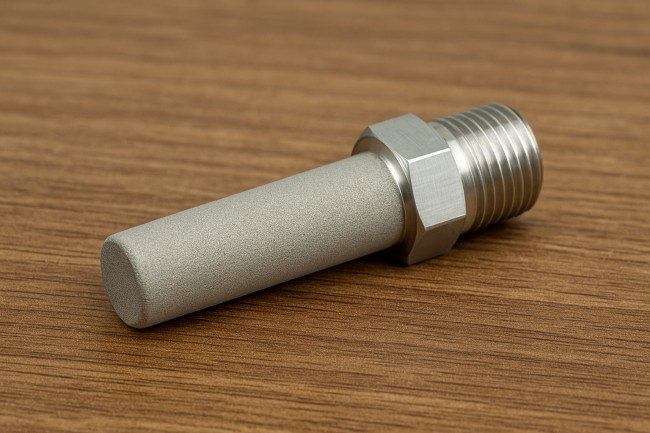
A diffusion stone is a tiny device that allows you to push gas into liquid in the form of very small bubbles, for a more uniform mix. A lot of people use it in brewing, carbonating, or oxygenating simply because it makes the job quicker and more uniform. For those looking to obtain clean results in homebrewing and drink making, a Diffusion Stone is one of the few instruments you’ll hear much about.
If you’re new to this, you might be wondering which stone to buy or how it actually works. It’s hard to know where to set your mind because there are so many sizes, materials, and pore configurations. That’s why a basic knowledge will save you some money and make you a more informed buyer.
In this post, you will find everything you need to know about diffusion stones, the various options, and how to choose the best one for you. In addition, you will find straightforward tips to simplify your use and enhance your efficiency when brewing or carbonating.
Diffusion Stone Basics
A diffusion stone, sometimes referred to as an aeration or carbonation stone, facilitates the transfer of gas into a liquid by producing very small bubbles. The bubbles enhance oxygen infusion in brewing or assist in the smooth dissolution of CO₂ during carbonation. The smaller the bubbles, the more the gas is mixed into the liquid.
The majority of diffusion stones are stainless steel, as it’s robust and easy to clean. They are used in homebrewing, bartending, and any scenario where controlled gas diffusion is critical. With the right stone, you get faster, more reliable results every time.
How Stones Work
Diffusion stones function by forcing gas through minuscule pores in the metal sheet or tube. When gas passes through these microscopic holes, it forms microbubbles that are uniformly dispersed in the liquid. This aids in processes such as yeast activation, carbonation, or oxygenation.
The performance of the stone is influenced by the size of the pores. Finer bubbles are produced by small pores, which also dissolve more quickly and uniformly. Larger pores flow gas faster, but may not mix as well. That’s why the right pore size for you depends on what you want to do.
Types of Stones
There are different kinds of diffusion stone, and each has with corresponding application. Some are better for oxygenation of brewing, some for CO₂ carbonation. You will find stones of different pore ratings, e.g, 0.5 micron, 2 micron, 5 micron.
Stainless steel is the most popular type of stone because it is easy to clean and won’t corrode. There are also stones designed for specific equipment, such as long wands for fermentation or small discs for inline systems. With a little knowledge of the types, you’ll be able to find a solution for almost any brewing or carbonation system.
Why Use Stones
Diffusion stones allow for a more efficient brewing or drink-making process. They contribute to better flavor, creamier carbonation, and more consistent fermentation. For example, when used before pitching the yeast, an oxygen stone will yield healthier yeast and a cleaner fermentation.
And these stones also help to make the results consistent. The even diffusion of the gas prevents over- and under-carbonation or chunks of poorly dissolved CO2 from forming. Diffusion stone is your good friend. Whether you are a newbie or a frequent brewer, a diffusion stone will make your work easier and more predictable.
Choosing the Stone
Selecting the appropriate diffusion stone depends on your application. For fine carbonation or deep oxygenation, a vessel with an ultrafine pore size is most appropriate. For slower flow rates (or smaller batches), a stone with a smaller pore size may be preferable. The size of your gear also comes into play in the right shape and fit.
The quality of the material is also important. With proper care, stainless steel stones are much longer lasting and remain clean. Be sure that the stone is compatible with your tank, hose, or pump system to allow for a smooth, uninterrupted operation.
Stone Usage Tips
Sanitize your stone before use to avoid contamination. Stones can hold tiny particles, and cleaning them well ensures your drink or brew is safe. A quick boil, or a good sanitizer, is fine for stainless steel stones.
Rinse the stone after each use so that residue does not clog the pores. If it becomes clogged, immerse it in warm water or apply a mild cleaner to reactivate flow. The right care means a longer working life for your stone and more precise results.
Conclusion
A Diffusion Stone is a tiny but mighty tool that can help you achieve better results with your brewing or carbonation. It facilitates the smooth mixing of gas with liquid, resulting in improved taste, evenly distributed carbonation, and crisper fermentation. Beginner or seasoned brewer, the certain stone being used, especially when paired with quality accessories such as an NESIA Filter, makes for a more straightforward process.
But like all tools, you have to choose the right kind and look after it. You will learn about pore size, material, and cleaning for optimum use. With the right information, you can make a diffusion stone a simple, reliable part of your setup.
FAQs:
What does a diffusion stone do?
A diffusion stone is used for mixing gas into liquid by forming small bubbles. This makes processes such as carbonating and oxygenating quicker and more uniform.
Which pore size is best for brewing?
For brewing, a stone of size 0.5–2 microns is considered optimal as it generates very fine bubbles that allow for smooth dissolution of gas.
Are stainless steel diffusion stones better?
Correct. Durable, with a long life span and easy to clean stainless steel stones are the preferred choice among homebrewers and drink carbonators.
How often should I clean a diffusion stone?
Clean it after each use to avoid clogging. Stones can hide residue in their pores, so frequent cleaning maintains performance.
Can one diffusion stone work for all tasks?
You can use the one stone for both tasks, but many people elect to use separate stones for carbonation and oxygenation in the sake of cleanliness and efficiency.